





























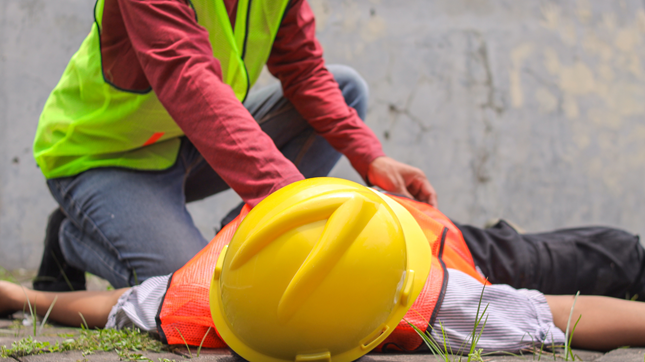
Workplace medical emergencies cost small businesses thousands in lost productivity, liability, and low employee morale. Providing official first aid training protects your team and your bottom line. This guide explains why modern, blended learning CPR courses are the smartest, most efficient safety investment a founder can make.
Running a small business means constantly putting out fires. But what happens when an actual medical emergency strikes your storefront or office? Panic is incredibly bad for business. Are you completely confident your employees know exactly what to do? Investing in proper Durham First Aid training is more than just checking a boring legal box for human resources. It is about creating a secure, confident work environment where your staff feels genuinely valued and protected when things go wrong.
Why is First Aid Compliance Crucial for Business Owners?
I spoke to a local cafe owner a few months back who had a regular customer collapse from sudden cardiac arrest right by the espresso machine. It was complete chaos in the shop. Thankfully, her shift supervisor had recent CPR training and managed to stabilize the older gentleman until the ambulance finally arrived.
That supervisor undoubtedly saved a life. But from a purely business perspective, they also prevented a massive liability nightmare. When your team actually knows how to respond to emergencies, you drastically reduce the risk of simple workplace accidents escalating into very expensive lawsuits. Protecting your people protects your profits.
How Does Blended Learning Save Company Time?
Pulling your entire staff off the schedule for two full days of training is incredibly expensive. Small businesses simply cannot afford that kind of operational downtime. We totally get it.
This is exactly why blended learning is so popular for corporate groups right now. Your team completes all the reading and theoretical modules online at home, or even during their lunch breaks. Then, they just come in for a single, short, hands-on session to practice the physical skills with an instructor. You keep your business running smoothly while staying fully compliant.
What Common Accidents Happen in Small Businesses?
You aren’t just preparing for a major, headline-making catastrophe. Everyday work environments are full of minor hazards that need quick, smart attention.
- Slips and Falls: Wet floors in a retail shop or a busy restaurant kitchen constantly lead to sprained ankles or minor concussions.
- Burns and Cuts: If you run any kind of food service or light manufacturing business, thermal burns and deep cuts are a daily hazard.
- Heart Attacks and Strokes: High-stress office environments can easily trigger sudden, severe medical episodes, especially in older employees.
How Do You Know Which Certification is Legally Valid?
Don’t fall for cheap, entirely online certification websites that pop up in search results. Those printed certificates will not hold up if provincial inspectors suddenly audit your business.
Always ensure your safety training provider is an official Red Cross partner. The courses must be heavily vetted and approved by local occupational health and safety boards, like WSIB in Ontario. Doing it right the very first time guarantees your business is legally covered and your staff is actually prepared.
If you are looking for first aid training near downtown Oshawa, the Simcoe Street South area, or other areas close to our facility, then you may reach out to Coast2Coast First Aid/CPR – Oshawa in that area. For more information on securing corporate group rates and to view all our safety programs, visit the main site.
Frequently Asked Questions
- What is the actual difference between Emergency and Standard First Aid? Emergency First Aid is a basic, one-day course focusing mostly on life-threatening situations like choking and CPR. Standard First Aid is a comprehensive two-day course covering a much wider range of emergencies, including fractures, environmental hazards, and head injuries.
- Are small business owners legally required to train their staff? Yes. Depending on your local occupational health and safety regulations, every business must have a specific number of certified first aid representatives on shift at all times. This number heavily depends on your total employee headcount and the specific hazards of your industry.
- Does CPR Level C cover both adults and children? Absolutely. CPR Level C teaches you how to confidently perform life-saving techniques on adults, children, and infants. This makes it highly versatile for the office environment and gives your employees peace of mind at home with their own families.
- How long does a WSIB-approved certification legally last? A standard Canadian Red Cross certification remains officially valid for three years from the date of issue. However, certain high-risk industries might legally require their employees to refresh their CPR and AED skills every single year.
- Can a certified instructor train my team at our own office? Yes! Many certified training partners offer private group bookings for corporate clients. Instructors can bring the mannequins and training supplies directly to your office boardroom or warehouse to train your staff, saving you time and travel expenses.