



























Modern businesses face increasing pressure to improve efficiency while keeping operating costs under control. At the same time, customers, regulators, and stakeholders are placing greater emphasis on sustainability and responsible business practices. These evolving expectations have prompted many organisations to take a closer look at the equipment they rely on every day, particularly when it comes to moving goods safely and efficiently through their facilities.
Singapore serves as a useful example of this shift. As a major logistics and manufacturing hub in Asia, the country depends heavily on efficient material handling operations to support economic activity. National initiatives such as the Singapore Green Plan 2030 simultaneously highlight the growing importance of sustainability across industries. Businesses are thus increasingly looking for technologies that can support both operational performance and environmental objectives.
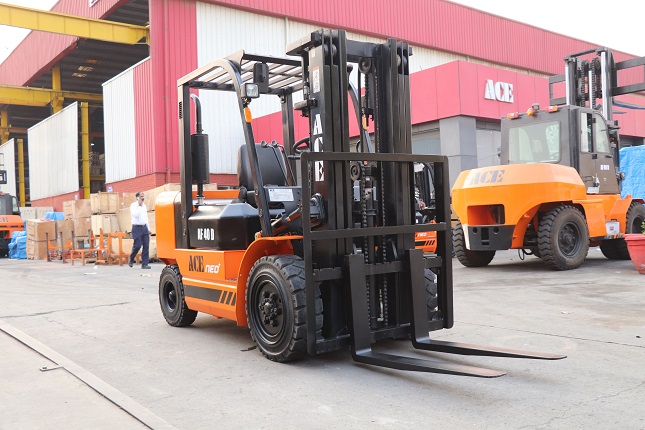
One area that has attracted significant attention is the electrification of industrial equipment. Electric forklifts, in particular, have emerged as a practical solution for many organisations due to their ability to operate efficiently in a wide range of indoor environments. While this technology can deliver value across numerous sectors, some industries are especially well positioned to benefit from its advantages. The following examples illustrate where electric forklift Singapore technology can make the greatest impact.
1) Warehousing and Distribution Centres
Every second a business spends moving products from receiving docks to storage locations and from picking zones to outbound shipments can influence overall operational performance. Efficiency in modern warehouses depends on maintaining a steady flow of goods while making the best possible use of available floor space. Businesses must also consider employee comfort and safety, particularly in facilities where forklifts operate throughout the day.
Electric forklifts align well with these requirements. Because they produce no tailpipe emissions, they are particularly suitable for indoor environments. Their quieter operation can contribute further to a more comfortable workplace, while their responsive handling makes it easier to navigate narrow aisles and densely packed storage areas.
2) Retail and E-Commerce Fulfilment Operations
Fast order fulfilment has become a competitive necessity rather than a value-added service. Whether handling online purchases or replenishing stock for physical stores, fulfilment facilities must process large volumes of inventory quickly and accurately. Delays in moving products between receiving, storage, picking, and dispatch areas can affect delivery timelines and customer satisfaction.
Electric forklifts help support the smooth movement of goods throughout these operations. Their reliable indoor performance makes them well suited to busy fulfilment centres where equipment may be in near-constant use. In addition, the absence of exhaust emissions and lower noise levels can improve working conditions for employees who spend long hours in enclosed facilities. As retailers and e-commerce businesses continue to pursue greater efficiency, electric forklifts can serve as a valuable tool for maintaining streamlined inventory flows and consistent service levels.
3) Manufacturing and Industrial Facilities
A production line is only as efficient as the systems that keep materials moving between workstations. Even minor delays in transporting raw materials, components, or finished products can create bottlenecks that affect productivity across an entire facility. Manufacturers often find that maintaining a consistent flow of goods is often just as important as the performance of the production equipment itself.
Electric forklifts can help support these continuous workflows by providing reliable material handling in enclosed industrial environments. Their quieter operation may contribute to a more comfortable workplace, particularly in facilities where multiple machines are already generating significant noise. In addition, the absence of exhaust emissions can help maintain better indoor air quality, making electric forklifts a practical choice for manufacturers seeking to improve both operational efficiency and working conditions.
4) Food, Beverage, and Cold Storage Operations
Protecting product quality in the food and beverage industry requires more than careful production processes. Businesses must also ensure that storage and transportation environments remain clean and well controlled from the moment products are received until they are shipped to customers. This becomes even more important in refrigerated and cold-storage facilities.
Electric forklifts are particularly well suited to these settings because they can operate indoors without producing exhaust emissions. This helps facilities maintain cleaner environments while reducing concerns about air quality in enclosed spaces. Improvements in battery technology have also expanded the capabilities of modern electric forklifts, allowing them to perform effectively in temperature-controlled environments.
5) Pharmaceutical and Healthcare Logistics
Few industries place greater emphasis on precision and control than those responsible for producing, storing, and distributing healthcare products. Pharmaceutical facilities often operate under strict quality standards designed to protect product integrity and minimise the risk of contamination. Every aspect of the environment, including the equipment used to move goods, can play a role in supporting compliance requirements.
Electric forklifts fit naturally into these highly regulated settings. Their clean operation makes them well suited to indoor facilities where environmental control is a priority, while their dependable performance supports the consistent movement of sensitive products throughout the supply chain. For organisations that must balance efficiency with rigorous quality standards, electric forklifts can provide a practical solution that aligns with both operational and regulatory objectives.
Electric forklifts represent one example of how a routine operational decision can contribute to a more capable and future-ready business. After all, the equipment that serves a business well today should also support where that business wants to go tomorrow. As operational expectations continue to evolve, the most valuable technologies are often those that strengthen day-to-day performance while helping organisations adapt to broader changes in the way their industries work.