





























In today’s competitive work environment, the demands of a career often take a toll on our mental and physical well-being. Long hours, tight deadlines, and relentless pressure can lead to anxiety and, eventually, burnout.
But there’s something that can help: self-care. After all, self-care is a necessity for maintaining balance, reducing anxiety, and protecting yourself from burnout.
So, let’s explore how self-care plays a pivotal role in reducing professional stress and helping you perform at your best.
Understanding Professional Anxiety and Burnout
First, it’s important to understand what professional anxiety and burnout look like. Professional anxiety is like constant worry about work-related issues, such as meeting deadlines, handling responsibilities, or fearing failure.
If left unchecked, this anxiety can evolve into burnout—a state of physical, emotional, and mental exhaustion caused by prolonged stress.
Burnout is more than just feeling tired. Most common symptoms include:
- Loss of motivation
- Feeling detached from work
- Difficulty concentrating
- Physical symptoms like headaches or fatigue
Recognizing these warning signs is the first step toward addressing them effectively.
How Self-Care Reduces Professional Anxiety
- Promotes Mental Clarity:
Anxiety often stems from feeling overwhelmed. Self-care practices like mindfulness, journaling, or taking regular breaks can help clear your mind, making it easier to focus and tackle tasks one step at a time. - Boosts Resilience:
Taking care of yourself physically and emotionally builds resilience. When challenges arise, you’ll have the strength to face them without spiraling into stress. - Encourages Perspective:
Self-care allows you to step back and view problems more objectively. Whether it’s through exercise or a quiet walk, these moments of reflection can help reduce the intensity of anxious thoughts.
How Self-Care Prevents Burnout
- Sets Boundaries:
Burnout often occurs when there’s no separation between work and personal life. Self-care teaches you to say no when needed, delegate tasks, and set clear boundaries to protect your personal time. - Restores Energy:
Regular self-care recharges your mental and physical energy, ensuring you don’t hit a wall. This could be as simple as ensuring a good night’s sleep or taking time for hobbies you love. - Reconnects You to Your Purpose:
Engaging in activities that bring joy—whether it’s reading, gardening, or spending time with loved ones—reminds you of what truly matters, reigniting your motivation.
Self-Care Practices for Reducing Anxiety and Burnout
1) Prioritize Sleep
Sleep is the foundation of self-care. A lack of rest can heighten anxiety and make it harder to cope with stress. Aim for 7-9 hours of quality sleep each night. Create a bedtime routine that helps you unwind, like reading or practicing deep breathing exercises.
2) Stay Physically Active
Exercise is a natural stress reliever. Physical activity releases endorphins, which improve mood and reduce anxiety. Whether it’s a morning run, a yoga class, or a dance session at home, find a form of movement that you enjoy.
3) Consider Therapy
Therapy can be extremely helpful in reducing professional anxiety. Speaking with a licensed therapist provides a safe space to identify triggers and develop personalized coping strategies. For instance, anxiety therapy by uncovercounseling.com can help you cope better with Cognitive Behavioral Therapy (CBT). The experts help you reframe negative thought patterns with positive ones. Whether you choose in-person sessions or online counseling, investing in therapy is a proactive step toward mental well-being and long-term professional success.
4) Take Breaks
Overworking might seem productive, but it often leads to diminishing returns. Regular breaks during the workday can improve focus and prevent burnout. Step away from your desk, stretch, or enjoy a quick walk outside.
5) Set Realistic Goals
Anxiety often comes from unrealistic expectations. Break larger tasks into smaller, manageable steps and celebrate your progress along the way. This keeps you motivated and reduces feelings of being overwhelmed.
6) Stay Connected
Social connections are vital for mental health. Whether it’s catching up with a friend over coffee or sharing your feelings with a trusted confidant, building strong relationships can help you navigate professional stress.
7) Nourish Your Body
A balanced diet plays a huge role in managing stress and anxiety. Incorporate whole foods like fruits, vegetables, lean proteins, and healthy fats into your meals. Avoid excessive caffeine or sugar, as they can exacerbate anxiety.
8) Disconnect from Work
In a world where emails and messages follow us everywhere, it’s essential to unplug. Dedicate time each day to disconnect from work entirely, whether it’s during dinner or before bed.
The Ripple Effect of Self-Care on Your Professional Life
When you prioritize self-care, the benefits extend beyond your personal well-being. You’ll find yourself better equipped to handle workplace challenges, communicate effectively, and inspire others.
Here’s how self-care can enhance your professional life:
- Improved Decision-Making: A clear mind leads to better decisions.
- Increased Productivity: Rested and recharged, you’ll accomplish more in less time.
- Enhanced Relationships: Your emotional stability fosters stronger connections with colleagues and clients.
- Greater Creativity: A stress-free mind is more open to innovative ideas.
Breaking the Stigma Around Self-Care
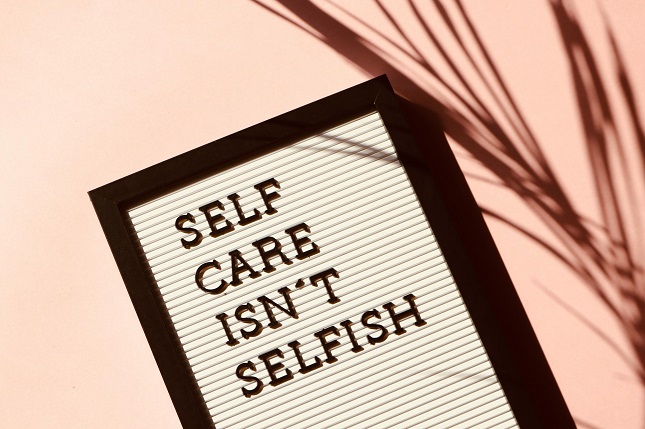
Despite its benefits, self-care is often stigmatized, especially in professional settings. Many people view it as indulgent or unnecessary, leading them to neglect their needs. It’s time to shift this mindset. Self-care isn’t selfish—it’s essential for long-term success and sustainability.
Leaders, in particular, have the power to set an example by prioritizing self-care and encouraging their teams to do the same. When self-care becomes a norm in the workplace, everyone thrives.
Summing It All Up
Professional anxiety and burnout can be really difficult, but self-care can help. By prioritizing sleep, exercise, mindfulness, and boundaries, you can reduce stress, improve resilience, and enjoy your work.
Start small, stay consistent, and watch how self-care transforms not only your professional life but your overall happiness.