





























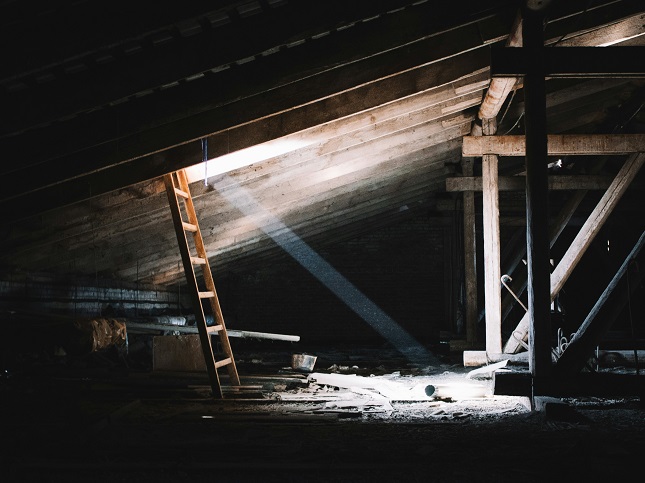
Getting into the attic isn’t usually something people think much about—until it’s annoying, cold, or nearly impossible. That little door in the ceiling might seem like just a panel, but it actually plays a big part in how easy, safe, and even warm your home feels. Whether someone’s heading up to store boxes, check wiring, or add more insulation, the loft hatch is the first thing they deal with. And if it’s the wrong type, too small, or badly sealed, it becomes a real problem.
Let’s break down why this one part of the house matters more than it seems and how choosing the right hatch can make everything up there way easier.
Why Loft Hatches Aren’t All the Same
Loft hatches might look the same at first—usually a square or rectangle in the ceiling—but they’re not just random pieces of wood or plastic. Some open smoothly and stay shut tight when closed. Others don’t fit well, making it harder to get into the attic or causing heat to leak out. Some even get stuck or fall apart after a bit of use.
Older homes often have basic hatches with no insulation or airtight seal. That’s a problem in winter, when warm air from the rooms below rises and escapes into the attic. This not only makes the house colder, but it also wastes money on heating. A well-designed loft hatch helps stop that from happening.
And it’s not just about heat. A poor hatch might sag, crack, or even let in dust or bugs from the attic. That’s why builders and homeowners are starting to care more about getting the right one from the start.
If you’re looking for options that actually do their job without being a pain, https://accesspanelsdirect.com/product-category/loft-hatches/ has some solid choices worth checking out.
Getting the Size Right (It’s Not Just About Fit)
It might seem obvious, but the size of the loft hatch really matters. If it’s too small, getting large items like storage bins or suitcases into the attic becomes frustrating fast. It also makes it harder for people to safely climb in and out.
Most homes have ladders that fold up and tuck into the hatch space. These ladders need enough clearance to unfold and be sturdy when someone’s using them. A tight or awkward opening can make climbing dangerous.
The right size also depends on how the attic is used. If it’s just for wires or insulation, a smaller hatch might work. But for regular storage or check-ups, a larger opening is smarter—and safer.
Insulation and Heat Loss: The Hidden Issue
When heat rises, it escapes through the weakest points in a ceiling. One of those points is the loft hatch. If it isn’t insulated or sealed properly, it’s like leaving a small window open all winter long.
A good loft hatch will come with built-in insulation and tight seals around the edges. This helps keep warm air where it belongs—inside the house. It also stops cold air from sneaking in from the attic.
In some cases, people notice a draft or cold spot in the hallway and don’t realize it’s coming from above. Fixing or replacing the hatch often solves the problem without needing to turn up the heat.
Making Attic Access Easy (So It Actually Gets Used)
Sometimes, people avoid going into the attic because the hatch is too much trouble. It sticks. It’s too high. The ladder’s shaky. Over time, that means no one checks on insulation, roof leaks, or stored items, and small problems can turn into big ones.
A hatch that opens smoothly, with a strong latch and easy-to-use ladder, makes a big difference. It turns the attic into a usable space instead of a forgotten one.
Some newer hatches come with gas struts or spring-loaded hinges to help with opening. Others have handles or latches that lock securely but still open without tools. These little upgrades go a long way when someone’s got their hands full or just wants to get in and out without hassle.
Sealing Out Dust and Noise
Attics aren’t always clean. They can collect dust, insulation fibers, and other messes. A poor hatch lets those particles drop into the hallway or upstairs rooms. That’s not just gross—it can be unhealthy, especially for people with allergies.
Noise can be another issue. Wind blowing around the attic, pipes moving, or even animals scurrying around can be loud. A properly sealed hatch helps block out those sounds and keeps the living space quieter.
When to Replace a Loft Hatch
If the hatch doesn’t close tightly, feels loose, or shows signs of damage, it might be time for an upgrade. Cracked panels, peeling insulation, or gaps around the frame are common signs. Some older hatches even sag in the middle or have trouble staying shut.
Replacing a hatch isn’t a huge job, but it does make a big difference. It improves safety, insulation, and overall comfort. And if the current one just isn’t working, fixing it now prevents a lot of headaches later.
Extra Features That Are Actually Useful
Some loft hatches today have extra features that make them even better. Think integrated ladders, fire-rated panels, or advanced insulation materials. These might sound fancy, but they’re designed to meet building codes and keep people safe.
Fire-rated hatches are a big deal in places where building rules require them—especially for homes with converted attics or connected garages.
Even things like anti-slip ladder treads or soft-close hinges add to the overall experience and safety.
Key Takeaways
A loft hatch might not be the flashiest part of a house, but it’s definitely one of the most important for getting into the attic safely and keeping the house efficient. The right size, proper sealing, solid insulation, and easy access features all make a difference.
Choosing a good hatch helps stop heat loss, keeps dust out, and makes sure the attic gets used instead of ignored. For anyone doing home upgrades or planning a new build, it’s one detail that deserves attention.
Got questions or thinking about upgrading? Start by checking what’s already installed, and if it’s not working well, there’s probably a better option out there.