





























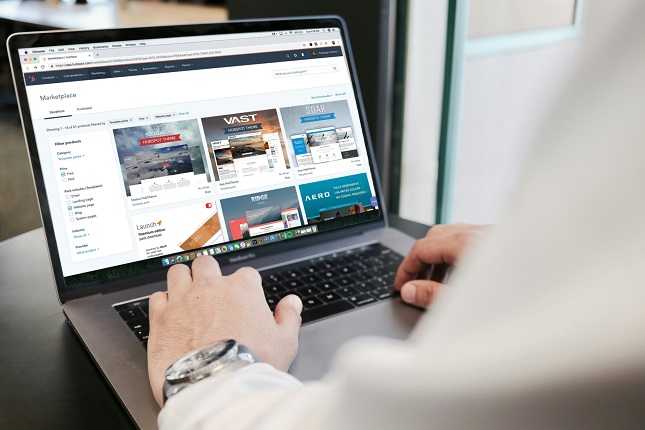
Tech-savvy shoppers know their way around websites and apps better than most users. They can quickly spot issues in an online platform’s design and performance, affecting their first impression of the store. Their initial reactions often determine whether they explore further or leave, making it essential for online stores to capture their attention immediately.
Understanding the expectations of this audience segment can help you create a more engaging user experience and make your online store more appealing to them. Here are some effective ways to do that:
Ensure the Pages on Your Website Load Fast
Nothing frustrates modern coznsumers more than waiting for a website to load. In today’s fast-paced digital world, even a few extra seconds can make visitors leave and never return. A fast-loading website signals reliability and professionalism. It also keeps tech-savvy shoppers engaged from the moment they arrive, making speed optimization one of the simplest yet most effective ways to improve the overall experience for your audience.
To enhance page speed, make sure you’re using a hosting solution that can handle traffic efficiently. This ensures your website remains responsive even during busy shopping periods or high-traffic hours. Compressing images into web-optimized formats, like JPEG or WebP, can also reduce loading times. These formats offer smaller file sizes and load faster without noticeably affecting image quality.
Offer Flexible Payment Options
Tech-savvy shoppers expect convenience at every step of the purchasing process, and payment is no exception. They want to be able to choose the method that works best for them, and providing flexible payment options helps remove friction at checkout. Integrating the best payment gateway that supports multiple payment methods enables you to accommodate a variety of preferences. Maya Business, for instance, has Maya Checkout—an online business solution that accepts payments through credit cards, debit cards, e-wallets, and QR Ph. These options make it easy for shoppers to complete transactions however they prefer, which in turn can increase conversion rates and encourage repeat purchases.
Provide Intuitive Navigation Features
Visitors get frustrated when menus are unclear or when important sections are hard to find. This often results in quick exits, causing them to abandon the site entirely. Improving your website’s navigability helps retain visitors and reduce bounce rates. Use logical menu structures and organized categories to guide users naturally through pages. Incorporate clear labels and divisions, as well as useful filters to make browsing more straightforward. Moreover, placing a visible search box at the top of the page ensures users can find products or information instantly. A seamless navigation experience encourages visitors to explore, spend more time on the site, and return in the future.
Add Gamification Elements
Interactive experiences can make an online store feel more engaging and memorable. Features such as rewards, progress indicators, or simple challenges give shoppers a reason to stay longer and interact with your platform. These elements appeal to users who enjoy exploration and achievement, especially those who are comfortable navigating digital environments. Thoughtful use of these gamification elements encourages repeat visits without overwhelming the shopping experience.
Optimize Your Website for Mobile Users
Mobile devices play a major role in how people engage with the internet. With many consumers browsing and shopping using their smartphones or tablets, they expect to effortlessly scroll and complete purchases while using these devices. That’s why it’s essential that your online store is optimized for both desktop and mobile. This ensures that mobile users can navigate your site comfortably and receive the same level of usability and functionality as desktop users.
Proper mobile optimization starts with responsive design. This means your website can automatically adjust its layout to fit different screen sizes, whether accessed on a smartphone or tablet. Buttons, images, and text should also remain clear and easy to interact with on smaller displays, preventing accidental clicks and unnecessary zooming.
Keep Your Website’s Security Strong
Online shoppers place a high level of trust in stores that ask for personal and payment information. A website that appears unsafe can discourage visitors from proceeding, even if the products and prices are appealing. Strong security measures help protect customer data and reinforce confidence in your brand. Visible indicators such as secure connections and clear privacy policies reassure shoppers that their information is handled responsibly. Moreover, regular security updates and monitoring help prevent potential threats before they affect users. Maintaining a secure website not only safeguards transactions but also supports long-term trust and credibility with digital-first customers.
Deliberate attention to how your store performs and interacts with tech-savvy visitors can strengthen trust and encourage repeat engagement. Through these thoughtful improvements, you can show customers that your business values their experience and expectations. Maintaining consistency in these efforts also helps turn occasional visitors into loyal shoppers. Over time, these meaningful actions can make your store stand out to discerning, tech-savvy customers.