






























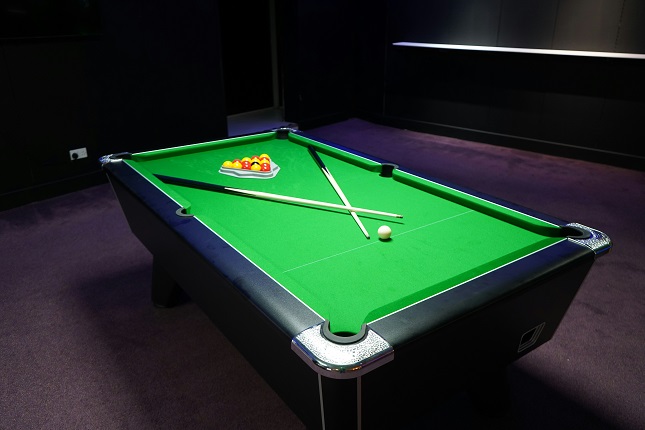
Selecting a billiard table involves more than matching a finish to a recreation room. Dimensions, playing clearance, slate, cloth, pocket design, and maintenance all influence performance and comfort. Delivery conditions also deserve attention because a heavy table may require professional handling. A thoughtful purchase gives players a stable surface, sufficient cue room, and a style that suits the household. Early planning can prevent costly changes after installation.
Start With Room Measurements
Measure the room before browsing finishes or features. Shoppers comparing billiard tables for sale in Birmingham, Alabama should measure the intended area, entry doors, corridors, stairways, and turns. A regulation cue needs clear space around every rail, not just beside the table. Furniture, wall fixtures, and walkways can reduce usable clearance. Accurate dimensions help installers position the table safely and prevent avoidable delivery complications.
Compare Common Table Sizes
Seven-Foot Tables
Seven-foot tables work well in apartments, compact recreation rooms, and multipurpose family areas. Their smaller playing surface supports casual matches while leaving room for seating or storage. Shorter shot distances can also help younger players and beginners develop basic control. Even so, each rail needs adequate cue clearance. A cramped setup can make even ordinary shots uncomfortable.
Eight-Foot Tables
Eight-foot models provide a practical middle ground for many homes. The playing surface feels substantial without taking up the floor space of a tournament table. Families often select this size for mixed use, including lessons, friendly games, and regular practice. The extra room around the cabinet improves movement and lets spectators stand safely during play.
Nine-Foot Tables
Nine-foot tables offer the largest standard playing area found in many homes. Longer shots require more precise speed control, positioning, and stroke technique. Competitive players may prefer those demands, although the table needs generous floor space. Buyers should check ceiling height, access routes, and surrounding furniture before ordering. Some leagues also specify exact playing dimensions.
Review Table Construction
The frame and base determine how well a table remains level over time. Solid hardwood provides a traditional appearance and strong support, while engineered materials may reduce weight and cost. Examine cabinet joinery, leg attachment points, cross-bracing, and leveling hardware. A rigid foundation protects rail response and ball travel. Poor construction can cause movement, uneven rolls, and repeated adjustments.
Select Cloth Based on Use
Cloth affects ball speed, spin response, and maintenance needs. Woolen fabric suits recreational use because it offers durability and a moderately forgiving pace. Worsted material produces quicker movement and a smoother roll, which experienced players may appreciate. Darker colors can reveal chalk and dust more readily. Brushing, covering, and prompt spill treatment help preserve the fabric.
Match the Style to the Room
Traditional tables commonly use carved legs, raised rails, and warm wood finishes. Contemporary models favor cleaner lines, restrained hardware, and darker stains. Transitional designs combine details from both categories. The surrounding floor, seating, wall color, and storage pieces should inform the final selection. A table looks more natural when its materials and proportions relate to the room.
Think About Pocket Types
Drop pockets hold balls individually, giving the table a familiar traditional appearance. Players must retrieve those balls manually after each rack. Ball-return systems direct the contents through channels beneath the cabinet, allowing faster resets during group play. Internal returns require suitable clearance and may add cabinet weight. Pocket opening size also changes difficulty, with tighter openings demanding greater precision.
Plan Lighting and Accessories
Good lighting should cover the entire playing surface without producing glare or shadows. Fixture length, ceiling height, mounting points, and walking clearance all affect the result. Useful accessories include cues, chalk, a triangle, a table brush, a protective cover, and replacement tips. A wall-mounted rack keeps equipment organized and reduces clutter near the playing area.
Budget for Delivery and Setup
The listed table price rarely represents the complete purchase. Delivery, assembly, leveling, lighting, accessories, and later cloth replacement can increase total spending. Heavy cabinets may require several trained installers, lifting equipment, and careful route planning. Buyers should confirm warranty terms, setup responsibilities, and service availability before payment. Written details reduce the chance of unexpected charges.
Protect the Investment
A stable indoor climate helps limit wood movement and cloth changes. Excess humidity, direct sunlight, and sharp temperature swings may damage finishes or affect ball travel. A fitted cover reduces dust between sessions. Players should avoid sitting on rails, placing drinks near pockets, or storing equipment on the cabinet. Consistent care protects both appearance and playing accuracy.
Conclusion
A suitable billiard table combines appropriate dimensions, a stable foundation, dependable cloth, and a finish that fits the room. Buyers should measure the full delivery route, allow generous cue clearance, and include installation expenses in the budget. Playing goals should guide size selection, while pocket design and accessories should reflect household use. Careful comparison creates a dependable centerpiece for practice, competition, and shared recreation.