






























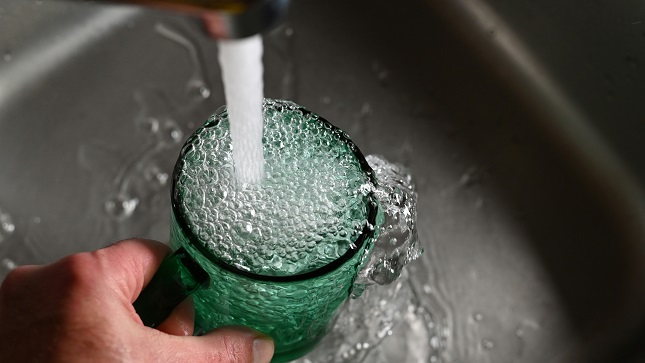
Clear water can still contain substances that affect health, taste, plumbing, or household appliances. Certified laboratory analysis provides measured evidence before any filter, softener, or disinfection unit is selected. Results show which compounds are present, how much exists, and whether a proposed remedy fits the source. For private-well households, this process establishes a reliable baseline. It also prevents costly purchases based solely on staining, odor, or assumptions about local groundwater.
Why Testing Comes First
Water concerns often have overlapping causes. A metallic flavor may involve iron, acidity, copper, or corrosion inside household pipes. For property owners asking why you need certified water testing in Maryland, laboratory findings can distinguish likely sources from visual guesses. A certified sample also documents collection procedures, reporting limits, and measured concentrations. Those details help families compare findings with health guidance before choosing home treatment equipment.
What Certified Testing Measures
A laboratory panel may assess physical, chemical, and biological conditions. Common measurements include pH, hardness, iron, manganese, chloride, sulfate, nitrate, arsenic, lead, bacteria, and volatile compounds. Each result answers a different question. Hardness indicates scale potential, while acidity can signal pipe corrosion. Bacterial growth raises sanitation concerns. The proper panel depends on well construction, plumbing materials, nearby land use, and observed symptoms.
Health Indicators
Several contaminants create concern without changing appearance, smell, or flavor. Nitrate, arsenic, lead, and disease-causing organisms require careful review because low concentrations may still matter. A report lists each result beside its unit, reporting limit, and comparison value. Nitrate findings, for example, may be evaluated against 10 milligrams per liter. Arsenic is often compared with 10 micrograms per liter, a common drinking-water benchmark.
Bacteria and Nitrate
Bacterial analysis can identify contamination linked to surface runoff, septic system failures, flooding, or damaged well components. Total coliform findings may require additional testing for fecal indicators. Nitrate can enter groundwater through fertilizer, animal waste, or septic discharge. Infants face particular danger from elevated concentrations. Laboratory data cannot diagnose illness, but abnormal findings warrant prompt guidance from a qualified health professional.
Plumbing and Appliance Clues
Minerals often leave recognizable evidence inside a residence. Orange deposits commonly indicate iron, while black staining may indicate manganese. White scale usually reflects hardness. Blue-green marks can indicate copper release, particularly where acidic water contacts plumbing. Elevated chloride may increase corrosion and create a salty flavor. Testing connects these visible signs with measurable chemistry, helping technicians avoid treating the incorrect cause.
Treatment Equipment Selection
Each device addresses a defined group of contaminants. A softener reduces hardness, but it does not remove bacteria or reliably correct acidity. Iron filtration depends on concentration, pH, oxygen levels, and competing minerals. Ultraviolet treatment can control microorganisms, yet it requires clear liquid and consistent maintenance. Accurate findings allow equipment to match the contaminant, household demand, flow rate, and required level of protection.
Results Shape Maintenance
Laboratory findings influence care long after installation. A treatment unit may require replacement media, salt, cartridges, ultraviolet lamps, or periodic sanitation. Some contaminants require follow-up samples after the equipment begins operating. An initial report gives technicians a reference point for judging performance. If later readings shift, additional analysis can show whether groundwater changed or the system needs adjustment.
Sampling Quality Matters
Reliable conclusions depend on proper collection. A sample from a dirty faucet, an unsuitable bottle, or a recently disinfected line can produce misleading results. Certified laboratories provide approved containers and handling instructions for each panel. Some samples require refrigeration and rapid delivery. Others need first-draw collection, while certain tests require line flushing. Following those directions protects the accuracy of the final report.
Private Wells Need Routine Review
Private-well conditions may change after flooding, heavy rainfall, drought, construction, or nearby land activity. Many households perform annual checks for basic bacteria and nitrate, then add tests based on local risks. A new well, a home purchase, a pregnancy, an illness, or an unusual flavor may justify earlier analysis. Keeping consistent records can reveal seasonal trends that one isolated sample would miss.
Cost and Risk Control
Testing generally costs less than installing equipment that addresses the wrong condition. A focused panel can also reduce repeat service visits due to an incomplete diagnosis. Property owners gain a clearer budget because findings indicate whether a single contaminant or several require attention. Treatment decisions then rely on evidence, measured concentrations, and household needs instead of sales claims or generalized assumptions.
Conclusion
Certified water testing gives households a dependable picture before treatment begins. Findings can identify health concerns, explain stains, reveal corrosion potential, and guide equipment selection. Proper collection strengthens confidence in every result, while repeat analysis shows whether conditions change over time. Private well owners benefit from storing reports and service records and promptly reviewing unusual findings. With reliable data available, treatment becomes a focused response to actual chemistry rather than guesswork.