






























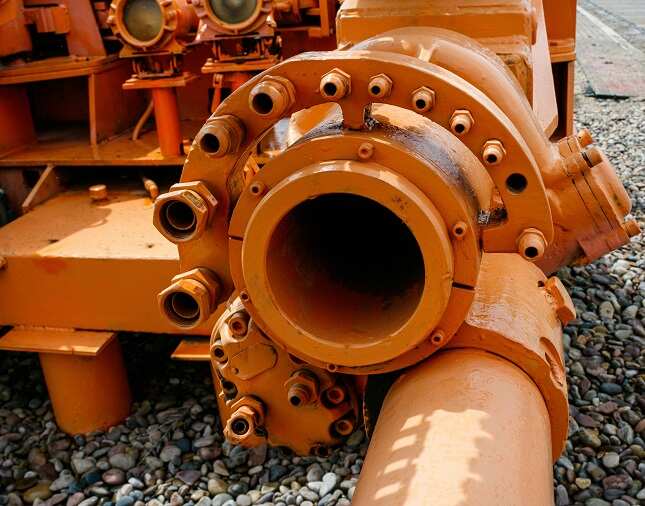
Hydraulic pumps operate under demanding conditions, and any drop in pressure can disrupt an entire mechanical system. Low pressure reduces efficiency, slows response time, and puts machines at risk of breakdown and costly failures. In industrial settings, pressure loss becomes a serious concern because it affects production and equipment reliability.
Since pressure issues may appear suddenly or increase gradually, identifying the cause requires skill and attention to detail. Many companies turn to hydraulic pump repair specialists when they need deeper diagnostics and long-term solutions. This article explains the common causes behind low hydraulic pump pressure and why quick response matters.
Air Contamination Inside the System
When air enters the hydraulic system, pressure drops because air compresses instead of transferring force. This issue may occur through loose fittings, worn seals, or fluid entering during maintenance. Machines may show symptoms such as vibration, chattering noises, or slow response movement.
Clearing air pockets solves the issue temporarily but does not eliminate the source. Technicians inspect hoses, seals, and fluid reservoirs to locate the leak. Preventing air from entering the system supports steady hydraulic pressure and dependable force output.
Worn Pump Components
Internal pump parts wear down as operating hours increase. Gears, vanes, and rotors lose precision, which allows fluid to bypass internal chambers rather than maintain solid pressure. This loss of internal sealing results in weaker performance.
Keeping records of operating time helps anticipate wear before failure. Replacing components as part of preventive maintenance reduces service interruptions. Skilled inspection from hydraulic pump repair specialists confirms the exact condition of parts and avoids assumptions.
Blocked Filters Restrict Flow
Filters prevent debris from circulating through the system, but when blocked, they hinder flow and reduce pressure. Slower cycles and unsteady motion provide early signs of restriction. In severe cases, the pump strains, which increase heat and internal wear.
Scheduled filter replacement lowers the chance of blockage. Checking the filter condition during routine inspection protects the pump and preserves pressure levels. Clean filtration supports both efficiency and long-term reliability.
Low or Degraded Hydraulic Fluid
Hydraulic pumps depend on the correct volume and grade of fluid. When fluid levels fall, the pump pulls air instead of oil, which leads to immediate pressure loss. Running low causes mechanical damage that may require expensive repair.
Degraded or contaminated fluid reduces lubrication and thickens, which affects movement inside the pump. Fluid testing identifies contamination or breakdown before performance suffers. Maintaining clean and sufficient fluid helps prevent low-pressure issues.
Valve Malfunctions and Flow Control Problems
Flow control valves regulate the movement of hydraulic fluid to create consistent pressure. A malfunctioning valve disrupts flow patterns, leading to weak system response and low pressure. Dirt, corrosion, or mechanical damage can trigger the problem.
Testing valves confirms whether they obstruct flow or fail to respond under load. Cleaning or replacing damaged components restores system balance. If ignored, valve issues force the pump to work harder and shorten its lifespan.
Low pressure in hydraulic pumps results from mechanical wear, fluid issues, contamination, or faulty flow control. Quick detection and consistent maintenance reduce the risk of system failure and safeguard productivity. Monitoring components, testing fluid, and responding to signs early make a measurable difference. When uncertainties arise, professional support helps restore full pressure and keep hydraulic systems operating at reliable levels.