





























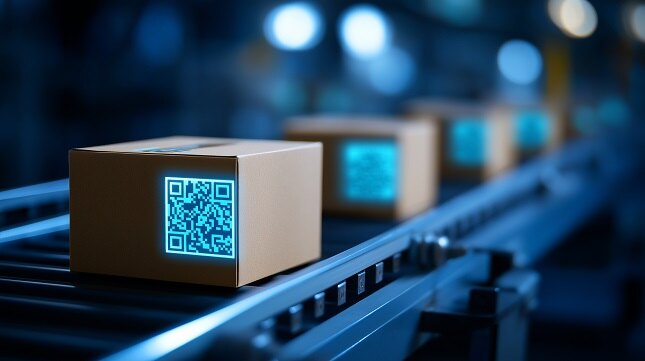
The unassuming box or wrapper that protects a product has evolved from a passive container into an active, intelligent interface. This transformation is driven by connected packaging, which embeds technologies like QR codes, near field communication or NFC tags, and even augmented reality (AR) experiences directly into the product’s physical shell. This integration creates a dynamic, two-way communication channel between brands and their customers.
Connected packaging is reshaping customer expectations and delivering enhanced value far beyond the point of sale. This is how brands are leveraging a product’s packaging to forge deeper, more meaningful customer relationships in a competitive marketplace.
Unprecedented Product Transparency and Storytelling
The modern consumer demands transparency. They seek the full, authentic story of a product’s journey. Orijin Plus smart packaging and similar solutions deliver this by offering real-time traceability and rich narrative content. A simple scan of a code on a coffee bag, for instance, can instantaneously transport the consumer to the farm where the beans were grown, introduce them to the farmers, display fair-trade certifications, and detail the roasting process. This level of granular visibility builds profound trust and validates ethical sourcing claims in a way that static packaging never could.
By turning the package into a digital window and directing consumers to dedicated landing pages, brands empower them to make truly informed, values-aligned purchasing decisions. This transforms a transactional moment into a powerful, educational experience that drives brand loyalty.
Hyper-Personalized and Interactive Experiences
Connected packaging allows brands to offer content that’s uniquely tailored to the individual consumer. Once a connected package is scanned, the brand can serve up digital content based on the consumer’s location, past purchase history, or even the time of day, creating enhanced consumer experiences. Imagine a recipe video that instantly adapts to show ingredients you already have in your pantry, or a cosmetic package that launches an AR virtual try-on experience specific to the product’s shade.
These interactive engagements are no longer mass-market one-offs. They become these dynamic, measurable interactions that foster a sense of individual recognition and delight while deepening consumer engagement.
Product Authenticity and Safety
The assurance of a product’s authenticity is a critical factor for customer confidence in an age of global supply chains and rampant counterfeiting. Active packaging, typically utilizing unique, serialized QR codes and RFID chips as part of the Internet of Things (IoT) ecosystem, provides an immediate and powerful defense against illicit goods.
When a customer scans a unique code on a luxury item or pharmaceutical product, a digital handshake occurs that verifies the product’s legitimacy against a secure database, enabling robust product authentication. This instantaneous anti-counterfeiting verification not only protects the brand’s reputation but, more importantly, shields the consumer from potentially harmful or ineffective knockoffs.
For products like perishables or medicine, including smart bottles in the beverage industry, embedded sensors in intelligent packaging can also report on temperature excursions or tamper evidence, providing the customer with an essential, on-the-spot quality and safety guarantee while enabling end-to-end supply chain traceability.
Seamless Post-Purchase Customer Support
The relationship between a brand and its customer shouldn’t end when the product leaves the shelf. Connected packaging extends the brand’s service touchpoint far into the product’s lifecycle.
The package itself becomes the primary gateway for all post-purchase support. Scanning the item can instantly connect the customer to a digital user manual, troubleshooting guides, a customer service live chat, or an easy-to-use re-order form. This removes the friction of searching online or calling a helpline, offering an omnichannel convenience that today’s shopper expects.
Furthermore, this seamless digital connection provides an invaluable opportunity for brands to conduct non-intrusive feedback loops through short surveys, gathering critical customer data on product satisfaction and usage patterns while offering loyalty rewards to encourage continued brand engagement.
Sustainable Consumption and End-of-Life Management
As environmental responsibility becomes a deciding factor for purchasing, connected packaging serves as a crucial tool for promoting sustainability initiatives and supporting the broader digital transformation. It allows brands to provide dynamic, localized recycling instructions through product information that would be too complex or space-consuming for physical print.
A customer can scan the package and receive instant, precise information on which components are recyclable in their specific municipality, watch a video tutorial on how to separate materials, or be directed to the nearest specialized drop-off point. This active involvement in the product’s end-of-life management transforms confusing environmental compliance into a simple, actionable task.
Conclusion
Connected packaging enhances customer experience by delivering transparency, personalization, authenticity, convenience, and sustainability in a single, scan-activated touchpoint. For brands that embrace this evolution, the reward isn’t just a better bottom line, but a dramatically deeper, more loyal relationship with an engaged and well-informed consumer base. The future of retail is smart, and it’s undeniably connected.