





























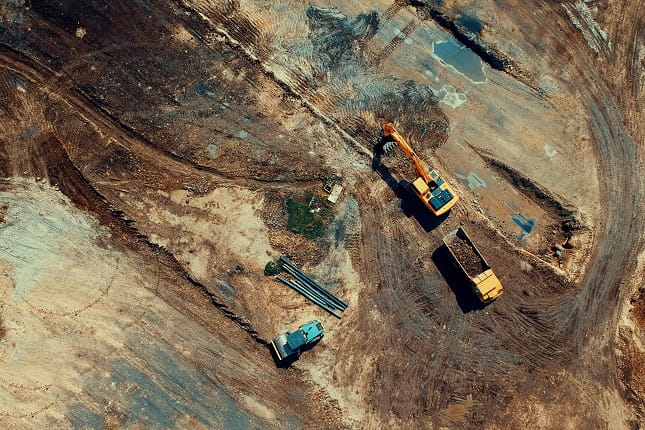
Construction projects can significantly impact surrounding ecosystems if proper environmental protection measures are not implemented. Effective erosion control and compliance planning are essential for preventing sediment runoff, protecting water quality, and ensuring projects meet strict environmental regulations. Companies like stormwater pollution prevention plan provide comprehensive site stabilization solutions that help contractors maintain compliance throughout every stage of construction. Through services such as SWPPP design, BMP installation, site inspections, hydroseeding, and regulatory consulting, Syman supports construction teams by helping them meet federal and state standards while protecting the environment and reducing project risks.
The Importance of Erosion Control in Construction
Land disturbance caused by excavation, grading, and site development can easily lead to soil erosion and sediment runoff. Without proper control measures, rainwater can carry loose soil into nearby streams, storm drains, and waterways, creating environmental damage and potential legal violations.
Erosion control services are designed to stabilize disturbed areas, manage stormwater runoff, and reduce the movement of sediment from construction sites. These measures help preserve local ecosystems while also protecting construction projects from costly fines, delays, and cleanup expenses.
As environmental regulations become more stringent, contractors and developers increasingly rely on specialized environmental compliance companies to manage these responsibilities effectively.
Understanding SWPPP Design
A Stormwater Pollution Prevention Plan (SWPPP) is one of the most important environmental compliance documents required for many construction projects. The plan outlines how stormwater runoff will be managed during construction activities to minimize pollution and environmental impact.
A professionally developed SWPPP typically includes:
- Site maps and drainage patterns
- Erosion and sediment control measures
- Best Management Practices (BMPs)
- Inspection schedules
- Maintenance procedures
- Pollution prevention strategies
- Regulatory compliance documentation
SWPPP design requires technical expertise and knowledge of both federal and state environmental regulations. Proper planning ensures contractors can maintain compliance while minimizing disruptions to project timelines.
Best Management Practices (BMPs) for Site Stabilization
Best Management Practices, commonly known as BMPs, are physical and operational measures used to control erosion and manage stormwater runoff on construction sites. These practices are critical for preventing sediment pollution and maintaining environmental compliance.
Common BMP installations include:
- Silt fences
- Sediment basins
- Fiber rolls and wattles
- Stabilized construction entrances
- Erosion control blankets
- Storm drain inlet protection
- Temporary seeding and mulching
Proper installation and maintenance of BMPs help reduce environmental risks while improving site safety and operational efficiency. Experienced erosion control providers ensure these systems are installed correctly and adjusted as site conditions change.
The Role of Site Inspections and Monitoring
Regular site inspections are essential for maintaining compliance throughout a construction project. Environmental inspectors evaluate erosion control systems, monitor stormwater management practices, and identify areas that require corrective action.
Inspections help contractors detect problems before they become major violations or environmental hazards. Documentation generated during inspections also provides proof of compliance for regulatory agencies.
Professional compliance consultants often work directly with project managers and site supervisors to ensure all erosion control measures remain functional and effective throughout the construction process.
Hydroseeding for Long-Term Stabilization
Hydroseeding is a highly effective technique used to stabilize soil and promote vegetation growth on disturbed land. This process involves spraying a mixture of seed, mulch, fertilizer, and water across exposed soil surfaces to encourage rapid plant growth.
Vegetation plays an important role in long-term erosion control because plant roots help anchor soil and reduce runoff velocity. Hydroseeding is commonly used on slopes, roadside developments, commercial construction sites, and large-scale infrastructure projects.
Compared to traditional seeding methods, hydroseeding offers faster coverage, improved moisture retention, and more uniform growth, making it an efficient solution for many construction environments.
Environmental Compliance and Regulatory Challenges
Construction companies must comply with multiple environmental regulations enforced by federal, state, and local agencies. Failure to meet compliance requirements can result in project shutdowns, financial penalties, legal action, and reputational damage.
Environmental compliance consultants help contractors navigate these complex regulations by providing:
- Permit assistance
- SWPPP preparation
- Regulatory reporting
- Inspection documentation
- Compliance training
- Corrective action planning
- Agency coordination
Working with experienced compliance professionals reduces uncertainty and allows construction teams to focus on completing projects efficiently while meeting environmental obligations.
Protecting the Environment While Supporting Development
Modern construction projects must balance development goals with environmental responsibility. Erosion control and stormwater management services help reduce the impact of construction activities on nearby communities, waterways, and ecosystems.
Proper environmental planning also supports sustainable development practices by preserving soil stability, reducing water pollution, and improving long-term land restoration efforts.
By implementing effective erosion control strategies early in the construction process, contractors can improve project efficiency, minimize environmental risks, and maintain positive relationships with regulators and local communities.
Choosing the Right Environmental Compliance Partner
Selecting an experienced erosion control and compliance provider is critical for project success. Contractors should look for companies that offer:
- Comprehensive SWPPP services
- Experienced environmental inspectors
- Reliable BMP installation
- Hydroseeding expertise
- Knowledge of federal and state regulations
- Fast response times
- Ongoing compliance support
A knowledgeable environmental partner can help projects stay on schedule while reducing the likelihood of costly compliance issues.
Final Thoughts
Erosion control and environmental compliance services play a vital role in modern construction by helping contractors protect natural resources while meeting regulatory requirements. From SWPPP development and BMP installation to hydroseeding and site inspections, these services support safer, cleaner, and more sustainable construction practices.
Trusted companies like Syman continue to help construction professionals navigate environmental challenges through reliable site stabilization solutions and expert compliance support. By combining technical expertise with practical field experience, environmental service providers help ensure construction projects remain compliant, efficient, and environmentally responsible from start to finish.