




























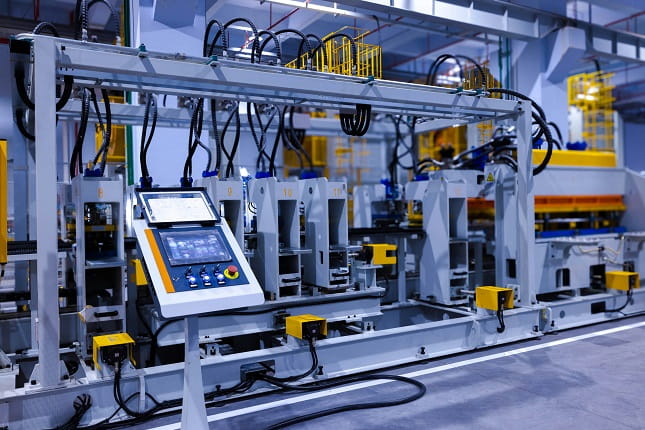
Banding or strapping machines are essential for securing, bundling, and packaging products in various industries. These machines use plastic, steel, or polyester straps to hold items together, ensuring stability, safety, and efficiency during storage or transit. But which industries rely on banding machines the most? Let’s explore the key sectors that depend on these machines and the trends driving their usage.
The global packaging industry, which includes sectors dependent on banding machines, is projected to grow at a steady pace. Its market size will be USD 1.18 trillion in 2025, growing at a 3.89% CAGR (1). This growth reflects increasing demand for efficient, automated, and sustainable packaging solutions across industries.
1) Manufacturing and Industrial Packaging
Banding machines are widely used in manufacturing to secure heavy loads, pallets, and machinery. Industries like steel, construction, and automotive rely on these machines to bundle materials such as metal sheets, pipes, and parts. The durability and strength of banding straps make them ideal for handling heavy-duty applications, ensuring that products remain intact during transportation and storage.
In regions with high industrial activity, such as Asia and North America, the demand for banding machines in manufacturing has shown consistent growth. This trend is driven by the need for efficient and reliable packaging solutions in sectors that handle large volumes of heavy materials. As manufacturing processes become more automated, the adoption of advanced banding machines is expected to increase further.
2) Logistics and Shipping
Banding machines are critical in securing packages, crates, and containers in the logistics and shipping industry. Properly strapped loads reduce the risk of damage during transit and improve operational efficiency. With the rise of e-commerce, the demand for banding machines in logistics has surged as businesses strive to meet the growing need for fast and secure delivery of goods.
Search interest in terms like “banding machines for shipping” and “strapping machines for logistics” has steadily increased, particularly during peak shipping seasons like the holiday period. This reflects the industry’s reliance on banding machines to handle high volumes of shipments efficiently. As global trade and e-commerce expand, the logistics sector will likely remain a significant buyer of technology users.
3) Printing and Publishing
The printing and publishing industry uses banding machines to bundle books, magazines, and newspapers for distribution. This ensures that products remain intact and organized during transportation. While digital media has impacted this sector, banding machines are still essential for physical print materials, particularly in regions where print media remains popular.
Searches for “banding machines for books” have remained stable, indicating that this industry continues to rely on banding technology despite digital shifts. The consistent demand highlights the importance of banding machines in maintaining the quality and organization of printed materials, especially for large-scale distribution.
4) Food and Beverage Industry
Banding machines secure bottles, cans, and food packaging in the food and beverage sector. These machines must comply with strict hygiene and safety standards, making them a vital part of production. According to the Pan American Health Organization, adhering to safe food preparation standards ensures that food products remain secure and compliant with safety regulations(2). Banding also helps prevent tampering and ensures product integrity, crucial for maintaining consumer trust.
Interest in “banding machines for food packaging” has grown, particularly in regions with strong food export markets, such as Europe and North America. This trend is driven by the need for secure, compliant packaging solutions that meet international standards. As the food and beverage industry expands, the demand for advanced banding machines is expected to rise.
5) Agriculture
Farmers and agricultural businesses use banding machines to bundle crops, hay, and other products. These machines help streamline the harvesting and distribution process, making them indispensable in the agriculture industry. By securing large bundles of crops, banding machines reduce waste and improve efficiency during transportation.
Seasonal spikes in searches like “banding machines for hay” align with harvest periods, highlighting the cyclical nature of banding machine usage in agriculture. This trend underscores the importance of banding machines in supporting the agricultural supply chain, particularly during peak production seasons.
6) Retail and E-commerce
The retail and e-commerce sectors rely on banding machines to bundle products and prepare shipments. With the exponential growth of online shopping, businesses are increasingly investing in banding machines to efficiently handle high volumes of orders. These machines help ensure that products are securely packaged and ready for delivery, reducing the risk of damage during transit.
Searches for “banding machines for e-commerce” have surged in recent years, reflecting the industry’s rapid expansion and the need for efficient packaging solutions. As e-commerce continues to grow, the demand for banding machines in this sector is expected to remain strong, driven by the need for fast and reliable order fulfillment.
7) Pharmaceuticals
In the pharmaceutical industry, banding machines secure medical supplies and ensure tamper-proof packaging. According to News-Medical, strict regulatory standards, such as those from the International Organization for Standardization (ISO), govern pharmaceutical packaging to maintain safety and integrity throughout the supply chain(3). Banding machines help pharmaceutical companies comply with these requirements while ensuring efficient packaging processes.
Interest in “pharmaceutical banding machines” has grown steadily, driven by increased demand for secure packaging in the healthcare sector. This trend reflects the industry’s focus on safety and compliance and the need for reliable packaging solutions that protect sensitive products during storage and transportation.
8) Electronics
The electronics industry uses banding machines to bundle cables, wires, and minor components. These machines help organize products and prevent tangling during storage and shipping. By ensuring that electronic components are securely bundled, banding machines play a key role in maintaining product quality and efficiency.
Searches for “banding machines for electronics” have increased, particularly in regions with strong electronics manufacturing hubs like East Asia. This trend highlights the importance of banding machines in supporting the production and distribution of electronic products, which require precise and secure packaging.
Trends in Banding Machine Usage
The demand for automated banding machines is rising, particularly in high-volume industries like manufacturing and e-commerce. Automated systems reduce labor costs and improve productivity, making them an attractive option for businesses looking to streamline their operations. This shift toward automation will continue as industries seek more efficient and cost-effective solutions. There is also a growing emphasis on eco-friendly banding materials, such as biodegradable straps. Companies increasingly adopt sustainable practices to reduce their environmental impact, driven by consumer demand and regulatory requirements. This trend is particularly evident in regions with strict sustainability regulations, such as Europe, where interest in “eco-friendly banding materials” has surged.
Additionally, technological advancements and innovations in banding materials, such as the development of high-performance materials like PVC, ABS, acrylic, and melamine, have improved durability, color consistency, and texture variety. These innovations are also driving market growth as manufacturers produce edge banding options that meet both functional and aesthetic demands. New manufacturing technologies, such as laser and hot air edge banding, have enhanced efficiency and precision, allowing for seamless adhesion without visible glue lines. This trend aligns with the growing demand for high-quality finishes, which has contributed to the expansion of the edge banding materials market worldwide (4).
Benefits of Banding Machines
Banding machines offer numerous benefits, including improved load stability and security, cost-effectiveness, and enhanced productivity. By securely bundling products, these machines reduce the risk of damage during transit and storage, ensuring that goods arrive in perfect condition. This is particularly important for industries like logistics and e-commerce, where product integrity is critical.
In addition to their practical benefits, banding machines are versatile and can handle a wide range of materials and products. This makes them suitable for use in diverse industries, from manufacturing and agriculture to pharmaceuticals and electronics. As businesses seek a banding and packaging partner for efficient operations, the demand for banding machines is expected to grow.
Challenges and Considerations
While banding machines are highly beneficial, there are challenges, such as the initial investment costs for high-quality machines. Businesses must also account for maintenance and training requirements, which can add to the overall cost of ownership. However, these challenges are often outweighed by the long-term benefits of improved efficiency and reduced labor costs.
Another important consideration is choosing the right banding machine for specific industry needs. With many machines available, businesses must carefully evaluate their requirements to select the most suitable option. This includes considering factors like the type of materials being bundled, the volume of products, and the level of automation required.
Conclusion
Banding machines are indispensable tools across various industries, from manufacturing and logistics to food packaging and e-commerce. As industries evolve, so do the technologies and trends shaping banding machine usage. By staying informed about these developments, businesses can leverage banding machines to improve efficiency, reduce costs, and meet industry standards. Whether it’s securing heavy loads in manufacturing or preparing shipments for e-commerce, banding machines play a vital role in ensuring the success of modern industries.