





























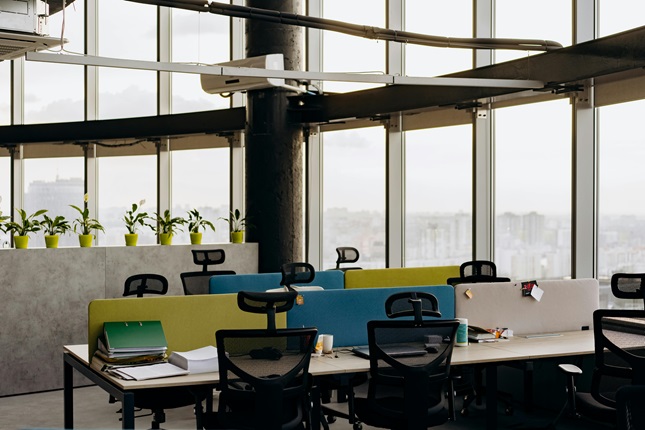
In the modern business landscape, an office is much more than just a place to house desks and computers. It is a physical manifestation of your company culture and a powerful tool for driving operational success. Particularly in a post-pandemic world where hybrid work models are prevalent, the office must offer something genuinely valuable to draw teams back in. A well-designed workspace becomes a destination of choice rather than an obligation. Leaders are increasingly realising that the physical look and feel of an office leaves a lasting impression on staff and visiting clients alike. By taking proactive steps to transform your business space into an oasis of professionalism, companies can create a welcoming environment that directly enhances mental clarity, daily work output, and overall wellness.
The Shift Away from Traditional Workspaces
The days of sterile cubicles and uninspiring fluorescent lighting are rapidly coming to an end. Today’s modern workforce expects an environment that supports varied styles of working while prioritising the human experience. When an office feels overly rigid or corporate, it can stifle creativity and make employees feel like mere cogs in a machine. A dull environment frequently leads to a lack of motivation, making it harder for teams to solve complex problems or collaborate effectively.
According to recent findings from the Gensler Global Workplace Survey 2025, only 14 percent of the global workforce actually desires a traditional corporate workplace experience. The research highlights a distinct shift toward natural, creative, and residential-style settings that feel more inviting. Furthermore, employees operating in a great workplace environment are five times more likely to experiment with new ways of working and twice as likely to feel proud of their company. This data proves that investing in high-quality workplace design practically pays for itself through increased innovation, pride, and long-term staff loyalty.
Key Elements of High-Performance Design
To achieve these impressive outcomes, businesses need to treat physical space as a strategic asset rather than a basic overhead cost. A thoughtfully designed layout supports the unique operational needs of different departments while encouraging organic cross-departmental collaboration. When global leaders or regional executives plan their spatial needs, they look for highly sophisticated, adaptable solutions. For example, investing in a premier corporate office fitout Sydney executives use to attract top-tier regional talent requires an intense focus on versatile, people-powered zones that cater to diverse daily tasks. This approach ensures that the environment works just as hard as the people within it.
Creating this elevated level of engagement requires specific design interventions that go beyond basic decoration. Business owners should carefully consider incorporating the following elements into their floor plans to maximise functionality and comfort:
- Dedicated collaboration hubs: Open areas with comfortable, lounge-style seating encourage spontaneous brainstorming and team connection without disrupting quiet work zones.
- Acoustic focus rooms: Providing heavily soundproofed spaces allows employees to engage in deep, concentrated work or hold confidential client meetings away from the busy main floor.
- Biophilic elements: Integrating ample natural light, indoor plants, and natural timber textures reduces stress levels and significantly boosts daily cognitive function.
- Ergonomic infrastructure: Supplying height-adjustable standing desks and supportive seating prevents physical strain, thereby reducing absenteeism and increasing overall wellbeing.
Measuring the Tangible Business Return
While aesthetic upgrades are certainly visually pleasing, the true value of a professional fitout lies in its measurable return on investment. The financial benefits of an optimised physical environment become incredibly clear when you evaluate staff retention rates. Replacing an experienced employee can cost a business heavily in recruitment fees, lost institutional knowledge, and training time. When an office provides a creative and highly supportive atmosphere, turnover drops dramatically because people genuinely enjoy coming to work each day.
Furthermore, a highly functional workspace streamlines daily operations and minimises friction. When teams are not fighting against a poorly planned layout or struggling to find an available meeting room with the right technology, they spend more time executing high-value tasks. Smooth transitions between independent work and team meetings allow for better time management across the board. This seamless workflow reduces daily frustration, builds a highly motivated workforce, and ensures that projects are completed efficiently.
Ultimately, strategic workspace design bridges the critical gap between basic operational needs and long-term business growth. By upgrading your physical environment, you do much more than just improve the visual appeal of your headquarters. You actively invest in the very people who drive your business forward every single day. A modern, engaging office fosters a deep sense of pride, sparks continuous innovation, and sets a remarkably strong foundation for future commercial success in a competitive market.