

























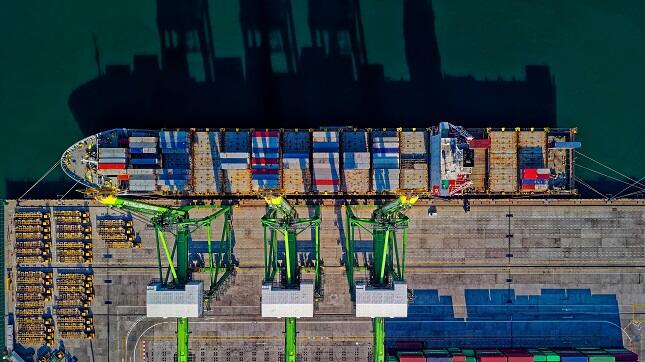
Going global can create real opportunities. More customers, more growth, more revenue. But international trade comes with rules. Every country has its own requirements for imports, exports, tariffs, and documentation.
While expansion can drive your business forward, the legal side can slow you down if you’re not prepared. Mistakes can lead to fines, shipment delays, or strained relationships with global partners.
Staying compliant doesn’t have to be complicated. These 8 steps will help you keep your business aligned with trade laws and avoid unnecessary problems.
1) Get Expert Help When Needed
Most businesses don’t have the in-house knowledge to keep up with the shifting rules of global trade, especially when dealing with multiple countries. The regulations are detailed, and the consequences for getting them wrong can be serious.
This is where outside support becomes valuable. When you need to navigate licensing, documentation, or country-specific rules, export compliance consulting offers practical guidance. These specialists understand how to align your operations with local and international laws. They can spot potential issues early, help you set up internal processes, and train your team to handle exports the right way.
Bringing in experts lowers your risk and saves time. For growing companies, it’s a smart move that leads to fewer headaches and fewer surprises.
2) Know Your Product and Its Classification
Before you ship anything across borders, you need to classify your product correctly. This is done through the Harmonized System (HS) code, which determines what duties or restrictions apply to the goods. A wrong code can mean overpaying tariffs or violating export controls, both of which can land you in hot water.
Double-check how your product is classified in every country you operate in. Countries may interpret classification rules differently, even if the HS system is globally standardized. Keep your product descriptions detailed and up to date, and document any decisions related to classification in case authorities ever question your shipments.
3) Screen All Customers and Partners
Exporting to the wrong person or organization can carry serious penalties. Many governments maintain restricted party lists to prevent goods from ending up in the hands of criminal groups, sanctioned nations, or organizations involved in terrorism or human rights abuses.
Before doing business with any foreign party, customer, supplier, distributor, or even freight forwarder, run a restricted party screening. These screenings check whether the entity appears on any lists issued by the U.S. Department of Commerce, the European Union, the United Nations, and other regulators.
Use screening software to automate this process, especially if you’re working with high volumes. And remember: screening isn’t a one-time job. You should re-check entities regularly, as lists can update without notice.
4) Understand the Destination Country’s Rules
Just because your export is legal in your own country doesn’t mean it’s legal in the destination country. Import rules vary widely depending on the product, its origin, and the local laws. Some countries ban certain goods altogether, while others have high duties, strict documentation requirements, or local certifications that must be met.
Before shipping, research the destination’s import regulations. Make sure you’re clear on labeling rules, licensing needs, customs procedures, and any tariffs that will apply. This helps avoid surprises at the border, like goods being held up, returned, or destroyed.
5) Keep Clean and Accurate Documentation
Trade laws revolve around paperwork. From invoices and shipping labels to customs declarations and licenses, everything needs to be accurate, complete, and aligned with the physical shipment.
Even small discrepancies, like inconsistent product descriptions between documents, can cause delays or raise red flags. Make sure your team knows how to fill out forms properly and that you’re keeping copies of all documentation for audit purposes.
Digital recordkeeping is key here. Store all documents securely and back them up. If authorities ever request past records, you’ll be glad you have everything organized and accessible.
6) Stay Updated on Sanctions and Embargoes
Sanctions change fast, especially in today’s geopolitical climate. Countries can impose new restrictions on short notice, targeting specific governments, regions, companies, or individuals. If your business exports to a country that suddenly faces new sanctions, you could find yourself in violation without even knowing it.
Make it part of your routine to check updates from relevant government agencies, like the U.S. Office of Foreign Assets Control (OFAC) or the European Commission. You can also sign up for email alerts or use compliance software that monitors sanctions and embargo developments.
The key is to be proactive. Don’t assume yesterday’s rules still apply today.
7) Train Your Team Regularly
Compliance isn’t just a legal department issue, it’s a company-wide responsibility. Anyone involved in international trade, from sales and logistics to customer service, should understand the basics of trade laws and how to spot risks.
Regular training sessions can keep everyone informed about their roles in staying compliant. Cover topics like document handling, customer screening, red flag indicators, and how to report possible violations.
Training also helps create a compliance-first culture. When people know what to look for and feel confident raising concerns, it reduces the chances of mistakes slipping through the cracks.
8) Create a Written Compliance Program
If you’re doing regular international trade, it’s smart to formalize your approach. A written Export Compliance Program (ECP) documents your policies, procedures, and internal controls related to global shipping.
Your ECP should outline who is responsible for what, how you conduct screenings, how you classify goods, and what happens when something goes wrong. It should also include your training plan, audit procedures, and methods for keeping up with legal changes.
Having an ECP not only keeps your team on the same page — it also shows regulators that you’re taking compliance seriously. That can work in your favor if your shipments ever come under scrutiny.
International trade opens up a world of possibilities — but only if you can manage the risks that come with it. Staying compliant with international trade laws isn’t just about avoiding penalties. It’s about building trust with customers, authorities, and partners. With the right systems, support, and mindset, you can stay in control and grow your business globally without the legal headaches.
If international trade is part of your business model, take compliance seriously. It may feel complex, but with the right help and habits, it’s absolutely manageable.