





























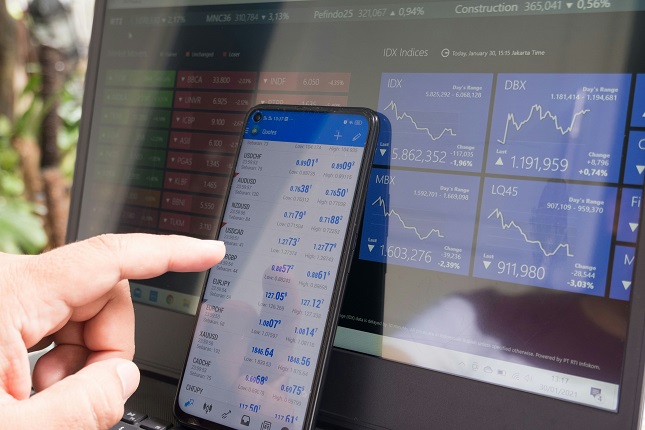
Many new traders enter the forex market with high hopes but quickly encounter setbacks that could have been avoided. The most common mistakes new traders make on forex trading platforms include trading without a clear plan, neglecting risk management, and relying too heavily on emotions rather than analysis. These errors can result in unnecessary losses and frustration, discouraging individuals from pursuing further opportunities.
Understanding these pitfalls is essential for anyone looking to build a steady foundation in forex trading. Identifying and correcting these common behaviors early on helps traders make more informed decisions and increase their chances of long-term success.
Key Takeaways
- New traders often struggle with planning and risk management in forex trading.
- Emotional decisions can result in costly errors on trading platforms.
- Recognizing and addressing these mistakes improves trading outcomes.
Top Mistakes New Traders Make on Forex Trading Platforms
New traders often make critical errors that hinder their progress on forex platforms. These mistakes are frequently related to planning, risk control, and the misuse of leverage, resulting in financial losses and missed learning opportunities.
Trading Without a Clear Trading Plan
A significant number of new traders enter the forex market with no defined trading plan. Operating without clearly set rules for entries, exits, and position sizing causes inconsistent results and emotional decision-making. A trading strategy should include specifics, such as which currency pairs to trade, how to interpret signals from economic data, and when to respond to news or geopolitical events. Traders often fail to keep a trading journal or review their strategy based on past performance. This leads to repeated errors and failure to learn from them.
Creating a solid trading plan and adhering to it is key to avoiding rash decisions. Using tools like an economic calendar and reviewing past trades through backtesting can help traders build discipline and enhance their skills. By aligning trades with scheduled events, as recommended by sources like https://www.tradetaurex.com/forex/, traders can reduce the likelihood of unforeseen risks and maintain a more consistent approach.
Neglecting Risk Management Techniques
Risk management is frequently overlooked by beginners who focus only on potential profits. Essential tools such as stop-loss orders are sometimes ignored or not set with realistic limits, putting entire trading accounts at risk. Effective risk management involves limiting the percentage of capital exposed per trade—typically no more than 1-3%. New traders might also ignore correlation between pairs or geopolitical events that can cause rapid market movement, amplifying losses.
A clear framework should include predefined rules for trade size, stop-loss placement, and taking profits. Using a table to track risk per trade and monitoring overall portfolio exposure can help traders avoid catastrophic losses. Reviewing risk scenarios based on real market examples further enhances learning.
Overleveraging Positions
Many new forex traders misuse leverage, assuming it will multiply their gains without adequately considering the associated risks. High leverage allows traders to control larger positions with minimal capital, but it also makes accounts highly sensitive to market volatility. For example, trading with a 50:1 leverage ratio means small price movements can result in large gains—or rapid losses that may exceed the starter capital. Inexperienced traders often fail to adjust leverage in response to upcoming news or economic data, increasing their vulnerability.
Some traders set leverage without accounting for their risk tolerance or market conditions. It is important to understand the margin requirements and regularly revisit leverage settings, especially when trading around scheduled economic releases or during times of geopolitical uncertainty. Reducing leverage and using stop-loss orders together provides a balanced approach, especially for those still developing consistent trading discipline.
Overcoming Common Forex Trading Errors
Building reliable trading habits can reduce costly mistakes on forex trading platforms. New traders benefit most from practical preparation, consistent self-review, and managing expectations in line with market realities.
Utilizing Demo Accounts Before Live Trading
A demo account provides a risk-free environment for new traders to practice. They can test strategies, master trading platform features, and get familiar with real market dynamics—all without risking capital. Using a demo account is not just for novices; experienced traders also return to it when trying new techniques.
Key benefits of a demo account include:
- Understanding order types
- Practicing risk management
- Simulating realistic trading scenarios
- Building confidence before real money is at stake
Many ignore this step and rush into live trading, often resulting in early losses. Consistent demo trading until consistently profitable results are achieved sets a better foundation for future trading success.
Aligning with a Realistic Trading Mindset
Successful forex trading requires a mindset grounded in discipline, patience, and realistic expectations. New traders often expect rapid gains, but forex markets can be unpredictable with periods of losses and wins. Accepting that losses are inevitable reduces pressure and the temptation to chase losses.
Experienced traders maintain emotional control and stick to predefined strategies even when markets move unexpectedly. They avoid trading based on fear or excitement. Setting small, achievable goals and managing risk position sizes keeps expectations in check. Cultivating this mindset supports long-term growth and preserves both capital and mental well-being.
Conclusion
New traders often make errors such as underestimating the need for education, mismanaging risk, and having unrealistic expectations. Emphasizing the importance of a structured trading plan, emotional control, and proper broker selection can help minimize costly mistakes. By focusing on continuous learning and disciplined strategies, traders can improve their chances of navigating the forex market successfully.