






























Design teams face a recurring problem. Brilliant UX work gets buried under operational chaos. Designers spend hours searching for research insights. Teams duplicate efforts across projects. Simple handoffs turn into multi-day alignment marathons.
Roadmaps solve this by converting operational complexity into strategic clarity. When implemented through systematic DesignOps services, they let design teams focus on craft rather than coordination. Strategic roadmapping creates operational excellence that scales.
Operational Chaos Starts With Feature List Thinking
Many teams confuse roadmaps with glorified feature lists. They plot deliverables on timelines, color-code by priority, and call it strategic planning.
Operational excellence requires roadmaps that address systems, not just outputs. A feature launch means nothing if designers cannot find supporting research. A prototype loses value when engineers lack implementation context.
Real operational roadmaps document the how alongside the what. They map decision-making processes and knowledge-sharing mechanisms. Teams using this approach report 40% faster project cycles.
Shifting From Features to Themes Changes Everything
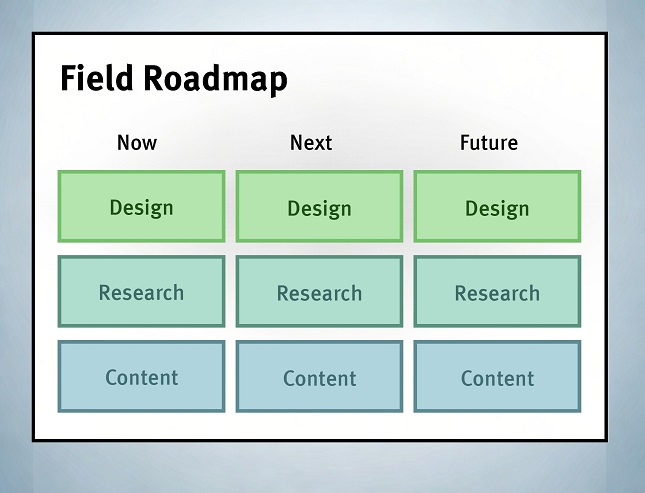
Three distinct roadmap types serve different operational needs. Product roadmaps coordinate across departments. Field roadmaps focus on UX domains like research, design, and content strategy. Specialty roadmaps drill into single disciplines. Most organizations need all three working together.
Themes replace features as organizing principles. Instead of “redesign checkout flow,” roadmaps frame work as “reduce purchase friction for mobile users.” Themes accommodate learning. Features lock teams into predetermined paths.
Airbnb demonstrates this theme-based thinking. Their DesignOps teams organize around operational outcomes like collaboration and quality rather than specific product features. This lets them adapt quickly when priorities shift.
Time horizons create planning flexibility. Now captures active work delivering in one to two months. Next holds initiatives three to six months out. Future sketches possibilities six or more months away.
Beneficiaries anchor every initiative. Strong roadmaps specify who benefits and how. “Improve designer onboarding” becomes “Reduce time to first contribution for new designers from six weeks to two weeks.”
Then Roadmaps Must Connect to Daily Decisions
Roadmaps fail when they exist separately from actual work. Weekly meetings reference them, but daily decisions ignore them.
Operational excellence emerges when roadmaps become the source of truth for resource allocation. Before starting work, teams ask which theme this serves. If the answer remains unclear, the work should not happen yet.
This discipline prevents common dysfunctions. Ad hoc executive requests get evaluated against strategic themes. Conflicting priorities resolve through documented strategy. New team members learn direction by reading roadmaps.
Smart teams build operational checkpoints. Monthly reviews assess Now initiatives. Quarterly planning sessions reprioritize themes. These cadences prevent roadmaps from becoming outdated.
Spotify design teams maintain public roadmaps that product managers reference when planning features. Engineers check design roadmaps before starting technical work. Everyone saves time because information flows through documented systems.
Measuring Success Proves the System Works
Design teams struggle to prove value because they count outputs instead of measuring efficiency. Twenty shipped features might represent productivity or waste, depending on if those features solved actual problems.
Effective operational metrics track how teams convert effort into impact. Lead time shows the gap between starting work and delivering value. Long lead times signal approval bottlenecks or excessive rework cycles.
Cycle time measures if teams maintain focus or constantly context switch. Resource utilization shows if designers spend time designing or managing operational overhead. Healthy teams hit 80% or higher on actual design work.
Consistency between planned and actual outcomes reveals operational maturity. Teams consistently delivering planned themes show strong operations. Those constantly pivoting signal poor planning or organizational chaos.
Organizations tracking these metrics after implementing DesignOps practices typically report measurable improvements in lead time and designer focus. The key is establishing baseline measurements before changes, then tracking progress over time.
Distributed Teams Need This Structure Even More
Remote teams face unique operational challenges. Knowledge sharing breaks down across time zones. Design decisions lack context. Team cohesion suffers without regular interaction.
Well structured roadmaps provide asynchronous alignment. Members in different locations grasp priorities without simultaneous meetings. Clear themes and documented rationale reduce confusion from limited face time.
Distributed teams need radical transparency. Public roadmaps accessible organization wide prevent information silos. Engineers reference design roadmaps for upcoming needs. Product managers check research roadmaps to time feature planning around insight availability.
Automattic runs fully distributed design teams with designers in 23 countries. Their internal communications are transparent, so new team members can read the entire team history and participate meaningfully in discussions from their first week.
Starting Small Builds the Foundation
Small teams working closely can coordinate through conversations. Complexity arrives with scale.
Start roadmapping when team members do not know what others are working on, projects surprise stakeholders, or new hires take months to become productive.
Begin with a single field roadmap covering all design work. List current projects under Now, planned work under Next, and strategic possibilities under Future. Group everything by themes connecting to business objectives. Share it publicly.
This first roadmap will be wrong. Operational excellence comes from iteration, not perfect first attempts.
Eventually Roadmaps Become Your Operating System
Design teams often view roadmaps as planning tools separate from actual work. When properly implemented, roadmaps become operational infrastructure enabling quality design at scale.
They provide the framework for decision making, resource allocation, and knowledge management.
Teams operating with mature roadmapping practices report faster delivery cycles, higher quality work, and better stakeholder relationships. Designers spend time designing rather than navigating organizational chaos.
Document your strategy. Connect work to outcomes. Measure what matters. Roadmaps give you the structure to make this happen systematically.
FAQ
How detailed should UX roadmaps be for operational planning?
Roadmaps should specify themes and expected outcomes without prescribing exact solutions. Detail increases as work moves from Future to Next to Now, but never becomes so granular that it removes decision making from execution teams.
What’s the difference between product roadmaps and operational design roadmaps?
Product roadmaps coordinate all disciplines toward business goals. Operational design roadmaps translate those goals into specific design work like research needed, systems to build, and processes to optimize. This enables designers to contribute systematically.
How often should design teams update their roadmaps?
Review Now items weekly. Check Next items monthly. Revisit Future items quarterly. This cadence keeps roadmaps current without creating update overhead that exceeds planning value.
How do you prevent roadmaps from becoming outdated documents?
Connect roadmaps directly to resource allocation and project planning. If teams reference roadmaps when making daily decisions, roadmaps stay relevant. If they exist only for quarterly reviews, they’ll quickly become fiction.