




























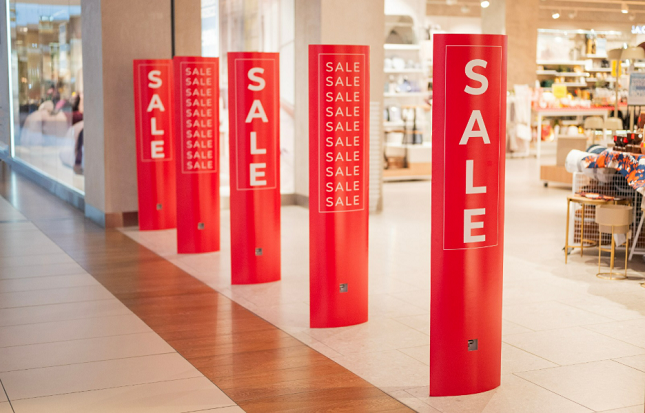
In any thriving commercial space, branding is already at work before the first interaction takes place. Storefront signage, window graphics, interior displays, and directional elements all work together to shape expectations and express identity. This applies whether the setting is a retail environment, corporate office, or trade show floor. Before a customer engages with staff or navigates a website, signage has already framed the experience. This subtle influence is what makes custom signage such a vital branding tool. The following points explain why it remains essential for businesses.
It Establishes a Clear Visual Identity
Custom signage gives a brand a physical presence that people can recognize instantly. Colors, typography, shapes, and materials all come together to create a visual signature that customers begin to associate with a specific experience. A thoughtfully designed sign does more than display a name. It communicates tone and personality. A sleek metal sign signals professionalism and modernity, while hand-painted lettering might suggest craftsmanship and warmth.
For businesses attending events or pop-up experiences, elements like retractable banners, feather flags, or acrylic signs help reinforce branding while remaining portable and flexible. Over time, this visual consistency builds recognition. Customers begin to remember the brand simply by spotting familiar design elements from a distance. That kind of recognition is difficult to replicate through digital ads alone.
To effectively convey your message, it’s best to work with All Flags custom signage services or other reliable providers in your area. Their expertise ensures your brand maintains a consistent visual identity across all displays and promotional materials.
It Reinforces Brand Credibility
Well-executed signage helps establish trust. When customers encounter a polished, professional display, it sends a message that the business is established and reliable. Conversely, outdated or poorly designed visuals can create doubt before a customer ever steps through the door. First impressions form quickly, and these elements often play a starring role in shaping them.
Beyond aesthetics, clarity also matters. Easy-to-read branding elements, consistent design, and thoughtful placement make customers feel comfortable and oriented. Using well-structured sign templates can help ensure consistency across locations while maintaining high design standards. That sense of ease reflects positively on the brand itself and contributes directly to long-term customer satisfaction.
It Increases Visibility in Competitive Spaces
In busy retail districts or commercial areas, businesses fight for attention in a crowded visual environment. Custom signage helps brands stand out without resorting to gimmicks. Unique shapes, dimensional lettering, lighting effects, and creative layouts draw the eye while still staying true to brand guidelines.
Visibility isn’t only about being noticed once. Effective signage enhances visual impact, helping customers locate a business repeatedly. A memorable sign becomes a landmark. People give directions based on it, reference it in conversation, and recognize it from across the street. That repeated exposure reinforces brand recall and keeps the business top of mind in a way that few other tools can match.
It Supports Consistency Across Touchpoints
Branding works best when it feels cohesive. Custom signage supports consistency by aligning physical spaces with other brand elements such as websites, packaging, and advertising. Many teams rely on a centralized design tool to ensure signage matches digital and print assets seamlessly. When a customer sees the same color palette, logo treatment, and tone reflected in signage, it strengthens the overall brand story.
Interior signage plays a role here as well. Directional signs, menu boards, wall graphics, and informational displays extend branding beyond the exterior. Every sign becomes another touchpoint that reinforces who the brand is and what it represents, strengthening overall visual communication. Consistency across these elements creates a more immersive and memorable customer experience.
It Guides Customer Behavior
Signage helps people navigate spaces and understand what to do next. Clear wayfinding signs reduce confusion and frustration, especially in larger or unfamiliar environments. When customers feel confident moving through a space, they tend to spend more time there and engage more deeply with the brand.
Promotional and informational signs also influence behavior. Highlighting offers, pointing out popular items, or drawing attention to new products helps guide decisions at key moments. When these messages are delivered through branded display, they feel integrated rather than intrusive. This is especially valuable in B2B signage, where clarity and professionalism play a critical role in decision making.
It Offers Long Term Marketing Value
Custom signage is an investment that continues to deliver value long after installation. Unlike short-term campaigns that require ongoing spending, these visual displays provide constant exposure with minimal maintenance. From permanent storefront installations to temporary custom banners used for events and promotions, they work quietly in the background, building awareness day after day.
The longevity of these branding tools also supports evolving businesses. As brands grow, displays can be updated, expanded, or complemented to support product launches or seasonal campaigns without losing their core identity. Over time, they become part of the brand’s history, reflecting both its roots and its progress.
It Strengthens Local Connections
For many businesses, especially those with physical locations, signage plays an important role in connecting with the local community. A distinctive sign becomes part of the neighborhood’s visual landscape. Residents grow familiar with it, and that familiarity can foster trust and loyalty.
Local customization further enhances this connection. Incorporating regional design cues, cultural references, or messaging that aligns with locally relevant promotional items makes signage feel personal rather than generic. When customers sense that a brand understands its surroundings, they are more likely to feel a genuine connection to it.
It Adapts to Modern Brand Expectations
While signage is a traditional branding tool, it has evolved alongside modern expectations. Advances in materials, lighting, and fabrication allow for greater creativity and sustainability. Eco-friendly materials, energy-efficient lighting, and modular designs reflect values that matter to contemporary audiences.
Technology has also expanded what visual display can do. Digital displays, interactive elements, and smart integrations create dynamic experiences while still supporting brand consistency. Even with these innovations, the core purpose remains the same. Custom signage introduces the company, communicates its values, and leaves a lasting impression.
Conclusion
Custom signage continues to hold its place as a vital branding tool because it speaks directly to people where they are. It builds recognition, supports trust, and reinforces identity through consistent, visible presence. As businesses look for meaningful ways to connect with customers, signage remains a powerful reminder that branding doesn’t always need to shout to be heard. Sometimes, it simply needs to be seen.