



























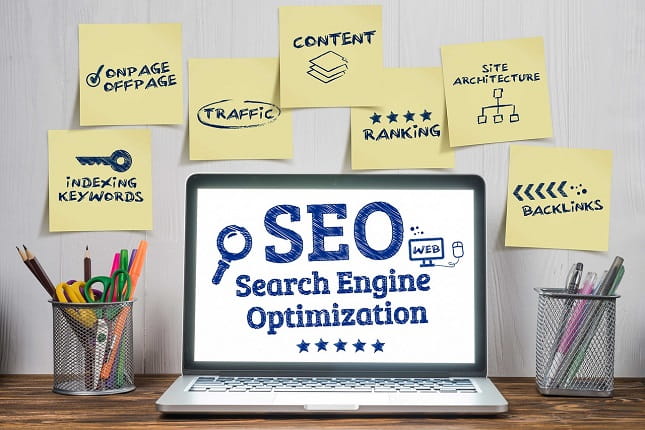
The past five years have seen more development in online search than the past 20 years combined. Algorithms evolved, consumer behavior underwent significant change, and competition intensified in almost all spheres. Old strategies, like manual keyword search and quarterly optimizations, that used to give consistent outcomes before but are no longer effective in the present digital economy.
Traditional SEO is not obsolete but is becoming structurally constrained. Companies who use traditional strategies alone tend to encounter ranking instability and inconsistent growth. Contrary to this, AI-based plans bring in speed, predictive modeling, and size of operation that cannot be always matched by manual systems. This change is already transforming the manner in which companies compete for visibility.
The Structural Limitations of Traditional SEO
Conventional SEO relies on manual processes. Teams carry out keyword research through non-dynamic tools, create spreadsheets, manipulate ranking reports, and modify strategies with reference to past data. This process may produce results, but it is extremely time-consuming and resource-heavy. Search conditions can change by the time insights are gathered and implemented.
Besides, traditional SEO is mostly reactive. As rankings plummet, analysts probe reasons. In case of traffic reduction, content modification is launched. When a page is ranked below the competitors, there is heightened optimization. This reactive cycle puts businesses in a defensive state since algorithmic changes are usually unannounced and need quick readjustments.
The other constraint is data processing capacity. Modern search engine systems produce vast amounts of behavioral data, semantic signals, and competitive intelligence. Human teams have neither the time nor the capacity to analyze this information at scale, implying that optimization decisions are often made using partial visibility instead of full understanding. Consequently, classic SEO tends to generate marginal improvements but fails at providing competitive superiority.
How Artificial Intelligence Transforms SEO Strategy
The way search optimization works is completely changed by artificial intelligence. Rather than solely processing data throughout history, AI models analyze real-time data simultaneously on thousands of variables. This allows the businesses to stop being reactive in correcting and become proactive in positioning.
Real-time pattern recognition is one of its key strengths. AI architecture oversees ranking changes, competitor modifications, and new keyword clusters. As quantifiable changes are detected, the system will pinpoint trends in real time and suggest strategic actions before major performance crashes take place.
This approach is further reinforced by predictive modeling. Instead of only monitoring the performance of keywords, AI is able to predict possible movement through user behavior patterns and algorithmic trends. This enables businesses to develop content on new queries that are emerging before they get congested with competitors. Firms that move on predictive insight gain early publicity and receive authority in time before markets mature.
The process of content optimization is also enhanced with the aid of AI. Semantic relationships, topical depth, as well as contextual relevance are assessed using natural language processing tools. AI-driven systems do not concentrate on the narrow concept of keyword density but match content with search intent and user expectations. The pages become structurally consistent, strategically complete, and closer to algorithmic assessment standards.
These improvements are magnified by automation. Technical audits, internal linking changes, structured data improvements, and performance monitoring can be run continuously and not periodically. This continuous improvement accumulates over the years and lowers the performance disparities that arise in between audit cycles.
Competitive Implications for Growing Businesses
In the past, big companies had a competitive edge in SEO since they could hire massive marketing teams and allocate huge budgets. AI is transforming that advantage by cutting down on man power and maximizing analysis potential. Smaller companies can now use intelligent systems to compete better without having to staff on an enterprise level.
Speed is also a competitive differentiator. To meet revenue objectives, search must increase exponentially when a company introduces a new service or enters a new geographic location. Artificial intelligence optimization can speed up this process by prioritizing high impact opportunities and modifying campaigns within seconds. Less delay will result in quicker traction and quantifiable growth.
When optimization is more specific, cost efficiency is enhanced. Even though AI tools are not cheap to invest in, they eliminate redundant work and minimize strategic guessing. Allocation of marketing budgets becomes more efficient since performance insights are based on comprehensive data. This relationship is similar to the way businesses leverage a pricing intelligence platform to optimize pricing policies to respond to competitive indicators and consumer demand to boost revenue efficiency via automation and analytics.
The Strategic Role of the AI SEO Agency
Technology in itself is not a guarantee. An efficient AI SEO agency combines machine learning technology with a skilled strategic management team. Algorithms are better at recognizing patterns and processing data, whereas human specialists make sure it complies with the brand identity, regulations, and financial goals.
This combined model allows ongoing optimization without loss of strategic coherence. AI can find the opportunity and performance changes, and marketing leaders can convert such insights into viable programs that can foster future development. Campaigns are developed progressively by continuous optimization, rather than quarterly reviews.
Advanced reporting also enhances accountability. Performance dashboards relate ranking improvement to conversion and customer lifetime value. Moving beyond traffic volume, business owners would clearly understand search visibility’s role in revenue generation.
Addressing Concerns About AI Adoption
Some business executives worry that automation could destroy brand integrity or creativity. In practice, responsible implementation enhances clarity rather than reducing human involvement. AI systems work within parameters that are set by strategic leadership.
The governance structures that are applied in AI security settings can be used to make sure that automation is in line with compliance and ethical guidelines. Oversight mechanisms prevent over-optimization while preserving the analytical benefits of intelligent systems.
The quality of content is also a major priority. Artificial intelligence insights are supposed to inform structure, relevance, and intent alignment; however, the ultimate editorial decision should incorporate brand expertise and authority. When machine intelligence and human judgment work together, there is an efficient and strategically sound result.
The Future of Search Visibility
Artificial intelligence is becoming a mainstream part of search engine design. Contextual interpretation, conversational queries, and prediction of behaviour determine the results instead of simple keyword matching. The existing SEO strategies will struggle to keep pace with this evolution.
Businesses that modernize their approach using AI-driven optimization exhibit adaptability. Intelligent systems can handle complexity on scale and adapt to new change patterns sooner than manual processes allow. Companies that adopt this transformation establish robust digital infrastructure that can support sustainable growth.
Endnote
The world of online visibility was laid by traditional SEO, but the competitive scenario has outgrown its initial structure. Slow analysis, manual processes, and reactive adjustments make scalability in a changing marketplace difficult.
AI introduces predictive intelligence, operational speed, and scalable automation that increase strategic accuracy. Firms that consider AI as part of their strategies place themselves in a better position to perform over the long run. With digital visibility having a direct impact on revenue potential in an economy, the move to intelligent SEO infrastructure is a strategic choice based on quantifiable benefit as opposed to technological trend-following.