




























Key Takeaways
- Innovative leadership is essential for adapting to the dynamic needs of modern education.
- Integrating technology and promoting a culture of continuous learning are pivotal strategies.
- Overcoming resistance to change requires effective communication and stakeholder engagement.
In today’s rapidly changing educational environment, leadership is at the heart of transformative progress. As institutions strive to prepare students for the demands of the modern world, academic leaders must navigate shifting paradigms, leverage technology, and cultivate cultures that nurture creativity and problem-solving. Earning a doctorate in educational leadership and management is one critical pathway for aspiring leaders to gain the vision and expertise needed to drive meaningful changes within their school communities.
Innovative educational leadership goes beyond managing day-to-day operations. It involves seeing around corners, identifying issues and opportunities early, and guiding stakeholders towards a shared vision of the future. Leaders who embrace innovation position their educators and students to thrive, adapt, and excel in a global society that increasingly values flexibility, digital fluency, and continuous growth.
The journey towards fostering innovation starts with a willingness to disrupt traditional models, adopt new pedagogical strategies, and encourage experimentation. Successful leaders empower their teams to approach challenges creatively, viewing setbacks as learning opportunities rather than setbacks.
Developing innovative capabilities also bolsters institutional resilience, ensuring that schools are better equipped to handle disruptions—ranging from rapid technological shifts to public health crises or evolving student needs. As discussed by Edutopia, fostering a culture that values growth and ingenuity is foundational for transformative leadership.
Understanding Innovative Educational Leadership
Innovative educational leadership demands a mindset shift. It requires embracing and integrating contemporary research, emerging technologies, and up-to-date instructional methodologies that are tailored to diverse learner populations. Effective leaders strive for continuous improvements, champion collaboration, and create avenues for all members of the academic community to contribute ideas and drive initiatives.
At its core, this approach hinges on openness to change and adaptability, whether recalibrating curriculum designs, piloting hybrid learning models, or strategizing for equitable access to resources. By prioritizing these elements, leaders position their institutions on a path toward sustainable and impactful transformation.
Strategies for Fostering Innovation
Embedding innovation into educational practice requires intentional and strategic approaches. Consider these essential approaches:
- Encourage a Culture of Continuous Learning: Ongoing professional development keeps teachers at the forefront of educational advancements, supporting a willingness to try new ideas and share best practices.
- Integrate Technology Thoughtfully: Purposeful technology adoption—tailored to curriculum and student needs—can deepen engagement and streamline administrative tasks. Resources such as Education Week’s Technology section provide valuable insights into implementation strategies.
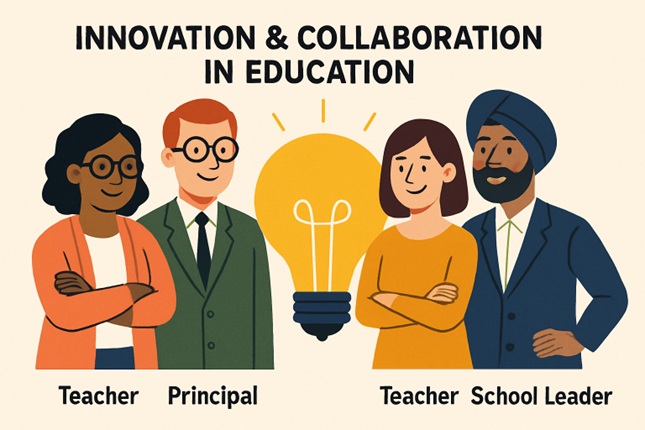
- Facilitate Collaborative Environments: Leaders should build safe, supportive spaces for professional and student collaboration, where experimentation and cross-disciplinary learning are actively encouraged.
Overcoming Challenges to Innovation
Leading through change inevitably brings resistance, resource restrictions, or policy limitations. Overcoming these challenges begins with clear, consistent communication that clarifies the vision and the practical benefits of innovation. By aligning key stakeholders—including teachers, staff, students, and families—leaders ensure collective buy-in and a united front.
- Communicating the Vision: Transparent dialogue about both the goals and realities of change builds trust, sets expectations, and keeps everyone focused on the big picture.
- Providing Support and Resources: Ensuring access to professional learning, technological tools, and sufficient time empowers educators to integrate new practices with confidence and competence.
- Building a Supportive Community: Peer mentorship, learning communities, and recognition of innovative efforts reinforce a positive, empowered culture.
Listening to stakeholder concerns and valuing their input helps create a climate where innovation is embraced rather than feared. Thoughtful leaders leverage collaboration to turn supposed obstacles into catalysts for creativity.
The Role of Policy in Supporting Innovation
Institutional and governmental policies significantly influence the ability to implement forward-thinking practices within schools. Leaders who advocate for adaptive curricula, equitable funding, and opportunities for educator-led innovations tend to experience greater long-term success. Policy frameworks that support experimentation and recognize the value of risk-taking enable the entire educational ecosystem to flourish.
Active policy support helps dismantle long-standing barriers, paving the way for sustained transformation and enabling leaders to focus on cultivating progressive learning environments that meet contemporary demands.
Future Directions in Educational Leadership
Looking ahead, the future of educational leadership will be shaped by agility, technological innovation, and a commitment to equity. Integrating artificial intelligence, data analytics, and other emerging technologies responsibly will allow leaders to personalize learning, automate complex administrative tasks, and address equity gaps more effectively. The study “Advancing Transformative Education: Generative AI as a Catalyst for Equity and Innovation” highlights the promise and challenges of integrating AI in schools, emphasizing a balanced approach that safeguards opportunities and inclusiveness.
Proactive leaders who invest in learning about new tools and pedagogical methods will be best positioned to support dynamic educational outcomes and foster graduates who are future-ready.
Conclusion
Fostering innovation in educational leadership is crucial to preparing students not only to adapt but also to thrive in the face of rapid societal and technological transformation. By championing new strategies, surmounting obstacles, and advocating for enabling policies, educational leaders set the stage for rich, engaging environments that inspire both educators and learners. The path forward is one of vision, courage, and a relentless drive to improve—qualities that define the most impactful leaders in education today.