





























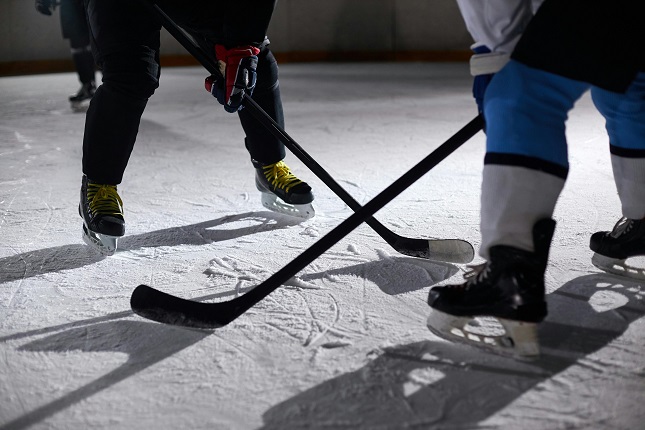
Training on ice is essential for athletes in disciplines like hockey and figure skating, but traditional rink access can be limited by seasonal climates, geographic distance, and the high costs of upkeep. This is where alternatives such as KwikRink V Pro synthetic ice come into play, offering dependable surfaces for both serious training and recreational users. Synthetic ice helps bridge these gaps by providing a readily accessible option that effectively simulates real ice under a variety of conditions.
With advances in training methods and growing athlete demands, synthetic ice is emerging as a practical and sustainable solution for year-round skill development. Its affordability, low maintenance, and reliable performance are making it increasingly popular among coaches, players, and sports organizations.
These advantages open up training opportunities regardless of external factors such as temperature or regional rink availability. As training becomes more competitive and focused, providing consistent practice conditions is critical to skill progression and athletic success.
By eliminating many of the barriers posed by traditional ice installations, synthetic ice allows athletes to stay committed to their sport and maximize every opportunity to improve. This flexibility boosts both participation and performance in iceless environments.
Table of Contents
What Is Synthetic Ice?
Synthetic ice, made from durable plastics like HDPE or UHMWPE, mimics real ice and provides a seamless surface for skating with metal skates. Advances in polymer engineering have improved glide quality, making it a strong alternative for practice and recreation, suitable for professional training. A key breakthrough involves self-lubricating compounds in the panels that maintain slickness over time, reducing maintenance and extending panel lifespan. This allows clubs, programs, and private users to enjoy high-quality training anywhere. Synthetic ice benefits not just elite athletes but also beginners and recreational skaters, supporting various activities from laps to jumps, spins, and routines, fostering versatile training environments.
Year-Round Accessibility
Among the greatest benefits of synthetic ice is reliable, unlimited access. Athletes no longer have to worry about rink schedules, melting ice, or travel logistics. Regardless of location or climate, a synthetic surface delivers a consistent skating experience year-round. This is vital for ongoing development, as it allows skaters to practice stickhandling, power skating, and complex moves year-round.
Because synthetic ice panels can be installed indoors or outdoors, seasonal weather changes become irrelevant. Whether it’s sweltering summer heat or subzero winter temperatures, athletes and coaches gain unprecedented control over their training environment. Even in densely populated urban settings or rural areas without ice facilities, synthetic rinks can be assembled quickly and efficiently, providing entire communities with ice-like experiences close to home. The effect is democratization of access; athletes don’t have to live near a traditional rink or commit to lengthy travel to maintain their routines.
Enhanced Training Resistance
Synthetic surfaces have slightly higher friction than real ice, requiring athletes to push a bit harder to glide. This resistance translates into greater strength gains and endurance improvements. As a result, when transitioning back to a refrigerated rink, many competitors notice greater muscle power, improved speed, and refined technique. This phenomenon is similar to how resistance training builds strength in other sports.
The subtle resistance also encourages athletes to hone their balance and skating efficiency, as less-than-perfect technique is more noticeable on synthetic ice. As players push themselves to maintain momentum, their neuromuscular coordination, edge control, and explosiveness naturally improve. Over time, this helps produce a more refined and adaptable athlete, one who can excel on both synthetic and traditional ice. For coaches designing off-ice training modules, synthetic rinks offer a unique dimension to conditioning programs, blending physical training with highly practical skill development.
Cost-Effectiveness
Traditional ice rinks come with inescapably high costs, including energy-intensive refrigeration, resurfacing, and water expenses. In contrast, synthetic panels require minimal maintenance and do not need electricity or constant monitoring. Schools, recreational facilities, and personal trainers can establish long-term, budget-friendly rinks in almost any space. Additionally, the reduced operational complexity frees resources for other athletic investments.
The scalability of synthetic ice also means that organizations can start small and expand as needed, making it financially viable for a range of budgets. There are no hidden environmental costs, no refrigeration fluids or excess energy draw, and repairs typically involve replacing only damaged panels, not entire sections or refrigeration systems. This cost containment enables more programs to direct funds toward scholarships, equipment upgrades, and expanded outreach activities, further multiplying the community benefits of synthetic ice installations.
Environmental Sustainability
Synthetic ice makes a significant contribution to green initiatives by drastically reducing both water and power consumption. Traditional rinks require hundreds of gallons of water and run continuously to maintain ice, substantially impacting their carbon footprint. By eliminating refrigeration and reducing water use, synthetic ice rinks offer a much more sustainable option for sports centers and athletes seeking to minimize environmental harm.
As environmental stewardship becomes increasingly important within sports culture, choosing a training solution that limits resource consumption sets a positive example for athletes of all ages. With future generations in mind, professional organizations and communities are seeking to balance athletic excellence with eco-friendly practices, and synthetic ice offers a clear pathway to achieving this balance. The ease with which many synthetic ice panels can be recycled at the end of their usable life further enhances their sustainability credentials, helping close the loop on a greener training system.
Versatility in Installation
Flexibility in installation is another major appeal of synthetic ice. Panels can be set up in residential garages, gyms, backyards, or even multi-use sports arenas, allowing organizations and individuals to tailor their rinks to available space. This adaptability makes year-round practice possible for athletes regardless of existing facilities. Maintenance is straightforward as the panels are easy to clean and replace, helping users get the most out of their investment.
In addition to supporting traditional hockey and figure skating, synthetic ice has found applications in off-season curling, broomball, and even corporate or team-building events. Its modular design means rinks can be temporary or permanent, expanded or downsized, and moved if necessary. This serves the evolving needs of diverse groups, including users, families, schools, clubs, and commercial operations, all of which can benefit from the customizable nature of synthetic ice installations.
Conclusion
Synthetic ice is revolutionizing sports training with continuous use, lower costs, eco-friendliness, and flexible installation. It offers athletes reliable access and durability for skill refinement. As technology advances, its role in skating grows. More organizations and enthusiasts adopting it will reshape ice sports, expanding opportunities for all skill levels. Synthetic ice is an investment in performance, future quality, and inclusivity of ice sports.