






























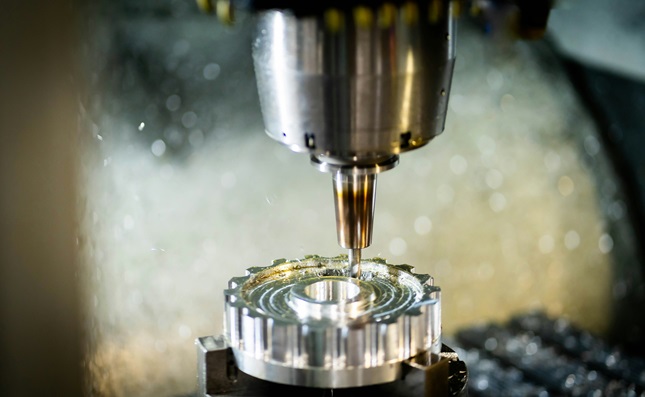
In today’s motor industry, standard components are no longer enough for many brands. As electric motors are used in more demanding applications—from industrial automation and electric vehicles to robotics, home appliances, pumps, compressors, and renewable energy systems—motor brands need components that match their exact performance goals. This is why custom stator and rotor lamination manufacturing is becoming more important.
The fundamental components of an electric motor are the stator and rotor lamination. While the rotor inside the motor rotates to produce mechanical power, the stator produces the magnetic field. Their material, lamination design, stacking accuracy, slot structure, insulation, and assembly quality all affect motor efficiency, torque, heat control, noise, vibration, and service life. For motor brands that want better performance and stronger market competitiveness, tailored stator and rotor lamination solutions can make a real difference.
Why Standard stator and rotor lamination Parts May Not Be Enough
Standard stator and rotor lamination components are suitable for many general applications. However, when a motor brand has special requirements, standard parts may limit performance. For example, a motor used in a compact power tool may require high torque in a small size. A motor used in an electric vehicle may need high efficiency, low iron loss, and excellent heat resistance. A motor used in medical equipment may need low noise and smooth operation.
In these cases, using a general design may lead to problems such as poor energy efficiency, overheating, unstable torque, vibration, or shorter motor life. Custom manufacturing allows the motor brand to adjust the component design according to the real working conditions of the motor.
Better Performance Through Tailored Design
Custom stator and rotor lamination manufacturing gives motor brands more control over performance. Engineers can adjust lamination thickness, slot shape, stack height, material grade, rotor structure, and winding compatibility. Even while these modifications might not seem like much, they can have a big impact on the final motor performance.
For instance, thinner electrical steel laminations can increase efficiency and lessen eddy current loss. Optimized slot design can support better winding arrangement and magnetic performance. A more accurate rotor stack can reduce vibration and improve dynamic balance. For high-speed motors, precise rotor design is especially important because even a small imbalance can affect safety and reliability.
By working with a professional manufacturer such as Gator Lamination, motor brands can develop stator and rotor lamination components that better match their product goals and application requirements.
Supporting Different Motor Applications
Different industries need different motor solutions. In industrial automation, motors must often run for long hours with stable output. In automotive applications, motors may need compact size, high torque, and excellent durability. In household appliances, low noise and energy savings are often key selling points. In pumps and compressors, reliability and heat control are very important.
Custom stator and rotor lamination manufacturing allows each motor brand to create components based on these specific needs. Instead of forcing one standard design into different applications, brands can develop optimized solutions for each product line. This lowers the possibility of performance problems following mass production and enhances product quality.
Improving Efficiency and Reducing Energy Loss
Energy efficiency has become one of the most important goals in the motor industry. Governments, buyers, and end users are paying more attention to energy consumption. A more efficient motor can reduce operating costs and support environmental goals.
The stator and rotor lamination play a major role in motor efficiency. Core loss, copper loss, magnetic flux distribution, and mechanical balance are all related to their design and manufacturing quality. Custom solutions can help reduce unnecessary energy loss by using suitable electrical steel, accurate lamination stamping, proper stacking methods, and optimized magnetic design.
For motor brands, better efficiency is not only a technical advantage. It may also develop into a powerful selling point in the marketplace.
Better Quality Control for Mass Production
Custom manufacturing is not only about design. It is also about stable production quality. When stator and rotor lamination components are made according to clear specifications, manufacturers can control key factors such as burr height, stack height tolerance, lamination alignment, insulation condition, welding quality, and dimensional accuracy.
For automobile brands that require large production, this is particularly crucial. If the stator or rotor quality is unstable, the final motor may have inconsistent performance. Some motors may run smoothly, while others may have noise, vibration, or overheating problems. A reliable custom manufacturing process helps reduce defect rates and improve production consistency.
Helping Motor Brands Build Stronger Products
As competition grows, motor brands need more than basic products. They need motors with better efficiency, longer service life, lower noise, and stronger application adaptability. Custom stator and rotor lamination manufacturing gives brands a practical way to improve their product value.
Tailored components also help brands develop new motor models faster. When the component manufacturer can support design review, prototyping, tooling, sample testing, and mass production, motor brands can shorten development time and reduce technical risks.
Conclusion
Custom stator and rotor lamination manufacturing is becoming a key strategy for motor brands that want better performance, higher efficiency, and stronger product reliability. Standard parts may still work for basic applications, but tailored solutions are often necessary for motors used in demanding industries.
By customizing lamination design, material selection, stack structure, and production process, motor brands can build products that better match market needs. In a competitive motor industry, tailored stator and rotor lamination solutions are not just an option. They are becoming an important advantage for long-term growth.