





























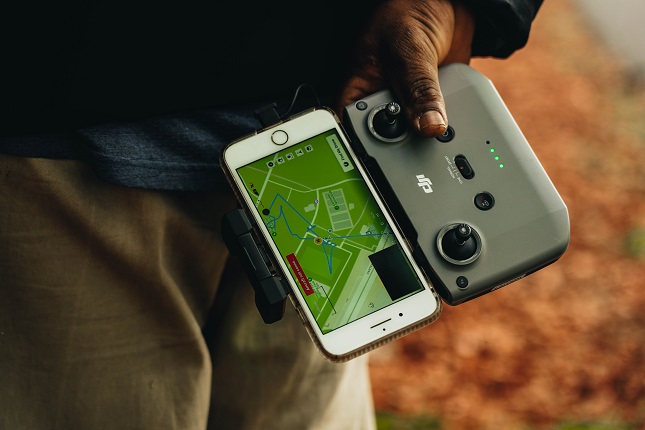
Complex operations involve multiple teams, locations, assets, and time-sensitive decisions, making accountability challenging to maintain. Delayed or scattered information can make it difficult for managers to determine what happened, when, and who was responsible.
Real-time tracking provides continuous visibility into people, equipment, vehicles, inventory, and activities. It helps organizations identify delays, monitor performance, confirm task completion, and address emerging issues quickly. It also creates reliable operational records that improve communication and oversight. As operations become more interconnected, understanding real-time tracking can support stronger accountability, efficiency, transparency, and operational control.
In this article, we’ll examine how live data improves accountability, streamlines workflows, and strengthens organizational performance.
Why Real-Time Visibility Matters in Complex Operations
Complex operations involve people, equipment, inventory, vehicles, and information across multiple locations. Without timely visibility, minor delays can develop into larger disruptions. Real-time tracking helps managers monitor activities, identify deviations, coordinate teams, and address issues promptly. It also creates accurate event records, making responsibilities and operational timelines easier to establish.
Future Market Insights reports that enterprises are investing in visibility solutions for end-to-end shipment traceability and compliance. Event-based alerts can identify route deviations, cold-chain failures, and customs delays. These capabilities help reduce disruptions and support timely decisions. Adoption is growing among electronics and pharmaceutical industries to protect high-value goods during transit.
Using Specialized Tracking Systems for Greater Accountability
Complex industries often need purpose-built tracking systems designed around their specific environments and workflows. Generic tools may overlook specialized data, compliance requirements, and movement patterns.
Tailored systems help organizations maintain accurate records, monitor activities in real time, and provide timely updates to authorized personnel. This supports greater visibility and operational accountability.
Consider a correctional facility as an example. Staff must maintain precise information about inmate locations, movements, transfers, and scheduled activities across multiple areas. An inmate tracking system centralizes this data, giving authorized staff timely visibility into every zone of the facility.
JailCore states that tracking technology supports security while verifying staff presence. It guides personnel through established protocols and reduces errors. Real-time reporting also strengthens accountability.
The above example demonstrates the value of aligning tracking technology with specific operational requirements. Purpose-built solutions can address needs that generic tools may overlook. When systems align with workflows, organizations improve accountability through accurate records and stronger oversight.
How Real-Time Data Helps Teams Respond Faster
Real-time data helps teams monitor operational changes as they occur instead of relying on delayed reports. It enables managers to identify disruptions, allocate resources, adjust schedules, and address emerging issues quickly. Shared, current information also improves communication, reduces repeated checks, and helps teams avoid delays caused by conflicting records.
Andrei Danescu, co-founder and CEO of DEXORY, says real-time visibility should extend beyond information collection. While speaking with Forbes, he highlights how decision-ready insights can shift organizations from reactive responses toward proactive action. This connects live operational data with faster, more informed decisions.
Creating Clearer Accountability Across Teams
Real-time tracking creates a shared operational record that reduces confusion and helps identify delays or missed responsibilities. Managers can access current information instead of relying on separate updates from teams. This visibility supports clearer expectations, consistent follow-up, and better understanding of how individual responsibilities contribute to broader organizational goals.
Gallup’s 2025 survey identifies creating accountability as the weakest of seven leadership competencies linked to engagement and performance. Only 46% of leaders rate themselves exceptional or outstanding at holding people accountable for strong performance. Just 30% of managers rate their leaders similarly, highlighting gaps in organizational accountability.
Integrating Tracking With Existing Business Workflows
Integrating tracking with scheduling, inventory, workforce management, customer service, or reporting platforms can reduce duplicate data entry. It helps ensure that important updates reach the right teams quickly. Integration can also create consistent operational records, making information easier to access, understand, and act on.
Fortune Business Insights reports that the global data integration market was valued at $19.14 billion in 2025. It is projected to reach $21.49 billion in 2026 and $54.26 billion by 2034. The market is expected to grow at a 12.28% CAGR, highlighting demand for integrated systems.
Making Real-Time Tracking Work as Operations Grow
As operations expand, real-time tracking systems must handle more users, devices, locations, and data without compromising accuracy or reliability. Scalable platforms should integrate with existing business systems while maintaining strong security and access controls. Organizations should also review system performance regularly and upgrade infrastructure as tracking demands increase.
Clear data standards and consistent processes can prevent information overload as operations become more complex. Training employees to interpret alerts and use tracking tools effectively is equally important. A scalable approach ensures real-time visibility continues supporting coordination, accountability, and timely decision-making as teams and workflows grow.
Frequently Asked Questions
Can tracking systems work in areas with poor connectivity?
Modern tracking systems easily handle areas with poor connectivity. They store data locally and synchronize it once a connection is restored. Technologies like GPS, cellular networks, Bluetooth, and offline functionality maintain continuous visibility even without internet access.
What privacy concerns come with real-time tracking?
Continuous location monitoring raises privacy concerns regarding unauthorized access, excessive collection, and unclear retention. Organizations must define tracking necessity, limit access to authorized staff, and secure information. Transparent policies detailing data use and storage are essential.
What industries benefit most from real-time tracking?
Industries with complex, time-sensitive operations benefit significantly from real-time tracking. These sectors include logistics, transportation, healthcare, manufacturing, construction, retail, security, utilities, and correctional facilities. Tracking helps organizations monitor people, vehicles, equipment, inventory, and assets to improve overall accountability.
Quantitative Evidence on Real-Time Operational Visibility
| Global data integration market size in 2025 | $19.14 billion |
| Projected data integration market size in 2026 | $21.49 billion |
| Projected data integration market size by 2034 | $54.26 billion |
| Leaders rating themselves exceptional or outstanding at creating accountability | 46% |
| Managers rating their leaders exceptional or outstanding at creating accountability | 30% |
Strengthening Accountability Through Real-Time Visibility
Real-time tracking improves visibility into people, assets, tasks, and movements across complex operations. Integrated with existing workflows, it supports faster responses, accurate records, clearer responsibilities, and better coordination. Purpose-built systems can also meet industry-specific requirements and operational needs.
Effective implementation requires privacy safeguards, access controls, reliable infrastructure, and clear tracking-data policies. Real-time tracking delivers greater value when aligned with defined processes and responsibilities. Combining timely information with consistent oversight helps organizations maintain clearer records and strengthen accountability as teams and workflows become increasingly complex.