





























Businesses expect more from workplaces than ever before. Employees want spaces that help them focus and collaborate throughout the day. At the same time, tenants look closely at operating costs and building quality before renewing a lease. Thoughtful updates can help you meet these expectations while creating an environment that supports better performance and long-term occupancy.
Improved layouts enhance workflow
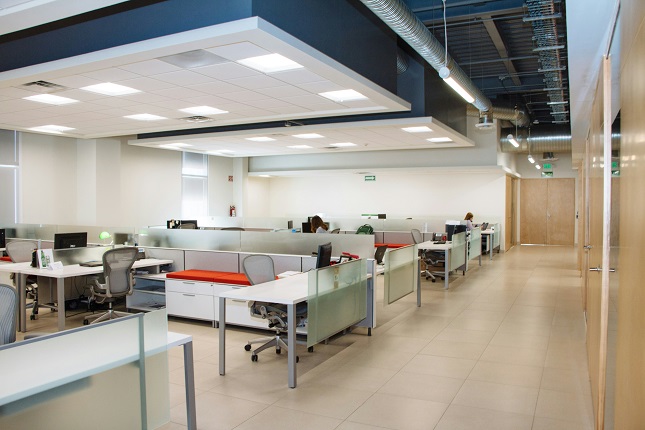
The way people move through a workplace and interact in the space affects how efficiently they complete tasks. Redesigning crowded or poorly organized areas helps you reduce unnecessary interruptions and makes daily work easier. Open zones can support teamwork, while dedicated quiet rooms give employees a place to concentrate on detailed projects.
Review how teams use the space before making changes. For example, a company that relies on frequent project discussions may benefit from shared collaboration areas near workstations, while departments that handle analysis or reporting often need separate focus spaces.
A layout that matches real work habits helps employees spend less time adapting to the environment and more time completing valuable work.
Upgraded lighting supports wellbeing
Lighting has a direct impact on comfort and concentration, and even mood. Harsh or uneven illumination can cause eye strain, headaches, and fatigue, especially during long workdays. Modern LED systems that mimic natural daylight often create a more comfortable setting and help people stay alert.
Assess areas where employees spend most of their time. Meeting rooms, desk spaces, and reception areas often benefit from adjustable lighting levels. People tend to maintain focus for longer periods when they can work without constantly battling glare or dim conditions.
Better acoustics create a calmer environment
Noise remains one of the most common workplace distractions. Conversations, ringing phones, and equipment sounds can make it difficult for employees to concentrate, particularly in open-plan settings.
Simple improvements can make a noticeable difference. Replacing worn ceiling tiles with acoustic alternatives helps absorb sound and reduce echo. Additional sound-absorbing panels, carpets, and soft furnishings can further limit noise transfer between areas.
As a result, employees should be able to focus more easily, while tenants see a workplace that feels comfortable and professionally maintained.
Modern breakout spaces encourage collaboration
Informal gathering areas give employees opportunities to exchange ideas outside traditional meeting rooms. Comfortable lounges and small meeting pods can support quick discussions that might otherwise require formal scheduling.
Place these areas close to key work zones. If employees can easily step away for a short conversation and then return to their tasks, communication becomes more efficient without disrupting the wider office.
Energy-efficient materials lower operating costs
Many tenants pay close attention to running expenses. Improved insulation, smart HVAC controls, motion-sensor lighting, and efficient fixtures can reduce energy consumption while maintaining a comfortable indoor environment.
Track current utility usage before planning upgrades. This information helps you identify where improvements will deliver the greatest savings. Lower operating costs make a property more attractive to existing occupants and can strengthen your position when lease renewal discussions begin.