





























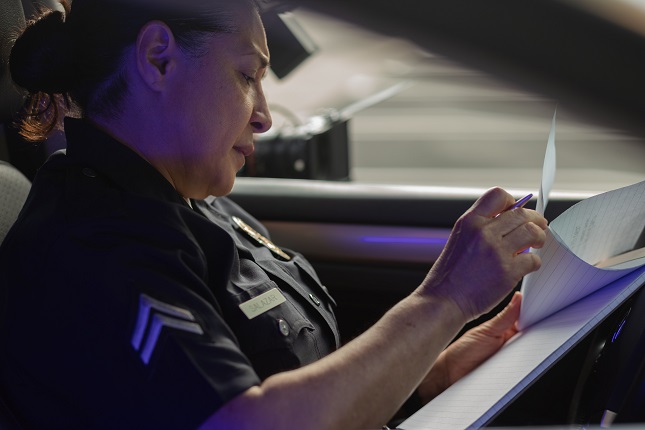
An incorrect police report can hurt your accident claim, but there are ways to address errors and protect your rights. The best approach is to act quickly, gather supporting evidence, and request corrections when possible. While police reports are important pieces of evidence, they are not always final, and mistakes can sometimes be corrected or challenged.
After a car accident, many people rely on the police report to support their insurance claim or personal injury case. Insurance companies often review the report when deciding liability and compensation. If you discover a mistake, it is important to understand how to make changes to your police report and what steps you can take to ensure the facts are accurately represented.
Even a small error involving vehicle positions, witness information, or accident details can affect the outcome of your claim. Knowing how to respond can help protect your interests.
Common Errors Found in Police Reports
Police officers often prepare reports shortly after an accident, sometimes under stressful conditions. As a result, mistakes can occur.
Common errors include:
- Incorrect names or contact information
- Wrong vehicle descriptions
- Inaccurate accident locations
- Errors regarding weather or road conditions
- Missing witness statements
- Incorrect descriptions of injuries
- Mistakes about how the accident occurred
Some errors are minor, while others may significantly affect liability determinations.
Review the Report Carefully
As soon as you obtain a copy of the police report, read it thoroughly.
Pay attention to:
- Personal information
- Date and time of the accident
- Vehicle information
- Officer observations
- Witness details
- Statements attributed to you
Make notes of anything that appears inaccurate or incomplete.
Gather Evidence to Support Your Position
Before requesting a correction, collect evidence that supports your version of events.
Useful evidence may include:
- Accident scene photographs
- Dashcam footage
- Surveillance videos
- Medical records
- Repair estimates
- Witness statements
- Insurance documents
The stronger your evidence, the easier it may be to demonstrate that an error exists.
Contact the Reporting Officer
In many cases, the first step is contacting the officer who prepared the report.
Be respectful and explain:
- What information appears incorrect
- Why you believe it is inaccurate
- What evidence supports your position?
If the officer agrees that a factual error was made, they may be able to amend or supplement the report depending on department policies.
Submit a Written Statement
If the report cannot be formally changed, you may be able to submit a written statement explaining your concerns.
Your statement should include:
- The specific information you dispute
- Supporting evidence
- A clear explanation of the correct facts
This statement may become part of the accident file and can be useful during insurance or legal proceedings.
Obtain Witness Statements
Witnesses can play an important role when challenging inaccurate information.
If witnesses observed the accident, ask whether they are willing to provide written statements describing what they saw.
Independent witness accounts often carry significant weight when liability is disputed.
Understand That Police Reports Are Not Final Determinations
Many people assume a police report automatically determines fault. In reality, police reports are only one piece of evidence.
Insurance companies and courts may also consider:
- Witness testimony
- Physical evidence
- Vehicle damage
- Expert analysis
- Medical records
Even if a report contains mistakes, other evidence can help establish what actually happened.
Consult an Attorney if Necessary
If the error significantly affects fault, injuries, or compensation, speaking with an attorney may be helpful.
An attorney can:
- Review the report
- Gather supporting evidence
- Communicate with insurers
- Challenge inaccurate conclusions
- Help protect your claim
This can be especially important when large damages or serious injuries are involved.
Protecting Your Claim Moving Forward
The key to protecting your claim is acting quickly. Delays can make it harder to gather evidence or obtain witness statements.
Keep copies of all documents related to the accident and maintain records of communications with law enforcement and insurance companies.
An inaccurate police report does not automatically destroy a valid claim. With proper documentation and timely action, you may still be able to prove the facts and pursue fair compensation.
Key Takeaways
- Incorrect police reports can negatively affect insurance and injury claims.
- Common mistakes include inaccurate statements, vehicle information, and accident details.
- Review the report carefully as soon as you receive it.
- Gather evidence such as photos, videos, and witness statements to support corrections.
- Contact the reporting officer to discuss factual errors.
- Written statements may help when formal amendments are unavailable.
- Police reports are important but do not automatically determine fault.
- Legal guidance may be helpful if report errors significantly impact your claim.