


























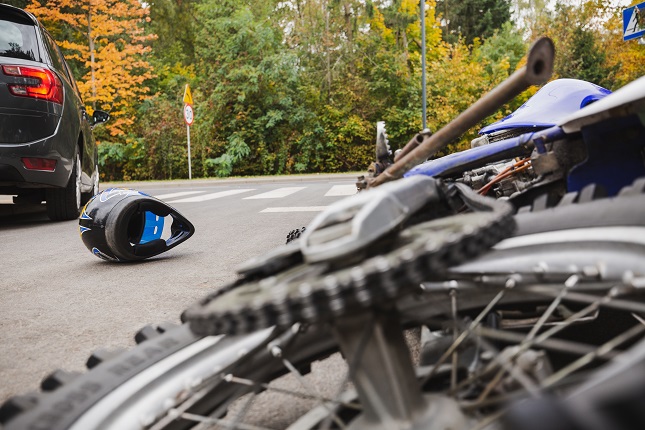
A rider has almost no structural protection, so even a low-speed clip from a distracted driver can cause catastrophic injuries. Yet the moment a claim opens, many riders face an unfair headwind: adjusters who assume the motorcyclist was speeding or reckless, and quietly shift blame to cut the payout. Recognizing that bias early, and knowing when to find a lawyer for motorcycle accident claims specifically, can protect your recovery. The riders who fare best connect with motorcycle crash lawyers who know how to counter those assumptions before they harden into a fault finding.
1) Accepting the “Reckless Rider” Narrative
Adjusters often frame riders as inherently dangerous to raise your comparative fault, even when the other driver caused the crash. Left unchallenged, that framing can slash or block your recovery in states that reduce or bar damages based on your share of fault.
What to do instead: Reject the assumption and preserve evidence, like witness accounts, dashcam or traffic footage, and scene photos, that shows how the crash actually happened.
2) Leaving Bike Damage and Gear Undocumented
Your helmet, leathers, and the bike itself tell the story of impact and speed. Undocumented, that evidence disappears fast.
What to do instead: Photograph the motorcycle, your gear, and any road rash, and preserve damaged equipment rather than discarding it.
3) Failing to Collect Witness Testimony
Right-of-way disputes often decide motorcycle claims, particularly at intersections where a driver claims not to have seen the rider, and witness memories fade within days.
What to do instead: Gather names and contact details at the scene, and secure statements while the events are still fresh and specific.
4) Settling Before Hidden Injuries Manifest
Road rash requiring skin grafts, soft-tissue damage, and traumatic brain injury can worsen over weeks, and an early settlement locks in a value before that full picture emerges.
What to do instead: Wait until you reach maximum medical improvement, the point when doctors confirm your condition has stabilized, before putting a number on the claim. Rushing this step is how high-value rider injuries get undervalued.
5) Speaking With Insurers Before Correcting the Record
If unfair speculation about speed or recklessness goes unchallenged, it can anchor the adjuster’s fault assessment and follow the claim through every negotiation that follows.
What to do instead: Limit contact, decline recorded statements, and let documented evidence, not assumptions about riders, shape the record from the outset.
6) Treating a Rider Claim Like a Fender-Bender
Motorcycle claims carry more severe injuries and heavier bias than a routine car crash, and handling one casually invites a lowball outcome. The same insurer that offers a modest sum for a fender-bender knows a rider’s injuries are often far more expensive.
What to do instead: Approach it as the specialized claim it is, with rider-specific evidence, gear preservation, and thorough medical documentation.
Quick-Reference Checklist
- Reject the reckless-rider narrative and preserve proof.
- Photograph the bike, gear, and road rash.
- Keep damaged helmet and equipment as evidence.
- Collect witness names and statements early.
- Reach maximum medical improvement before settling.
- Treat the claim as a specialized rider matter.
FAQs
How do I beat the “reckless rider” stereotype?
Counter it with evidence: witness accounts, camera footage, and scene documentation that show the other driver’s role in the crash.
What if I wasn’t wearing a helmet?
It varies by state. Insurers may raise it under comparative negligence to argue you failed to mitigate head injuries, but it generally does not automatically bar recovery, especially for injuries a helmet would not have prevented.
Why shouldn’t I rush bike repair estimates?
The damage documents impact and speed. Repairing or scrapping the bike too soon can erase evidence that supports your version of events.
How do medical gaps hurt a high-value claim?
Delays and missed appointments let insurers argue your injuries are minor or unrelated, which drives down a claim that may be worth far more.
What damages can riders recover?
Depending on the case and your state, these may include medical bills, lost income, future care and rehabilitation, property damage, and pain and suffering tied to severe injuries.
How does vehicle-crash.com protect rider rights?
It offers educational vetting of your situation and connects you with attorneys experienced in overcoming rider bias.
Every case is different, and this article is educational, not legal advice. If you were injured while riding, consider speaking with a qualified attorney about your options.