

























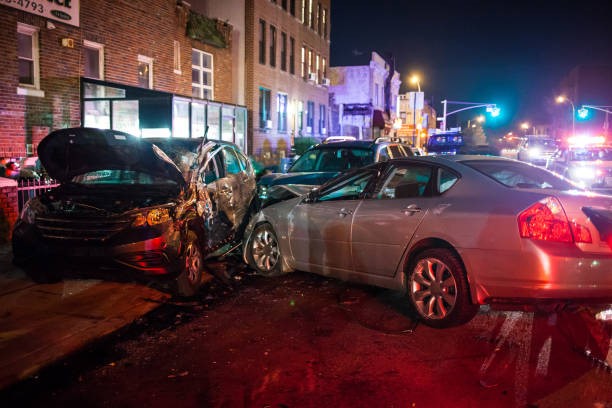
Getting into a car crash without insurance can lead to serious legal and financial consequences, especially if you are responsible for the accident. Depending on your state’s laws, you could face fines, license suspension, and lawsuits and be personally responsible for paying for injuries and property damage.
Even if the accident was not your fault, driving without the required insurance may still result in penalties. Many drivers also wonder, “How much is a ticket for no insurance after being involved in a crash?” The answer depends on the state where the accident occurred, but fines are only one part of the problem.
Understanding what happens after an uninsured accident can help you know what to expect and what steps to take next.
What Should You Do Immediately After the Accident?
Your first priority should always be safety.
After a collision, you should:
- Move to a safe location if possible.
- Check for injuries and call 911 if anyone needs medical attention.
- Contact the police.
- Exchange information with the other driver.
- Take photos of the vehicles, roadway, and any visible damage.
- Gather contact information from witnesses if they are present.
Avoid arguing with the other driver or admitting fault at the scene. The cause of the accident should be determined after all the facts have been reviewed.
Can You Be Penalized for Driving Without Insurance?
Yes. Nearly every state requires drivers to carry at least minimum liability insurance.
If law enforcement discovers you were driving without valid insurance, you may receive a citation regardless of who caused the accident.
Possible penalties include:
- Fines
- Driver’s license suspension
- Vehicle registration suspension
- Court costs
- Requirements to file proof of future financial responsibility
For example, California Vehicle Code § 16020 requires drivers and vehicle owners to maintain proof of financial responsibility, usually through liability insurance, while operating a motor vehicle.
What Happens If You Caused the Accident?
If you are found responsible for the crash, not having insurance can become very expensive.
You may be personally responsible for paying for:
- Medical expenses
- Vehicle repairs
- Property damage
- Lost wages
- Other legally recoverable damages
Without liability insurance, there is no insurance company to negotiate or pay these claims on your behalf.
If the damages are substantial, the injured party may file a lawsuit seeking compensation.
What if the Other Driver was at Fault?
Being uninsured does not automatically prevent you from recovering compensation.
If another driver caused the accident, you may still be able to pursue damages. However, some states limit what uninsured drivers can recover, particularly certain non-economic damages such as pain and suffering.
Because these rules differ by state, the outcome depends on the applicable law and the specific facts of the accident.
Can You Be Sued?
Yes. If you caused the accident and cannot pay the damages voluntarily, the injured party may bring a civil lawsuit.
If a court enters a judgment against you, collection efforts may include:
- Wage garnishment where permitted by law
- Bank account levies
- Property liens
- Court-approved payment arrangements
The financial impact can continue long after the accident has been resolved.
Will Your License Be Suspended?
Many states impose administrative penalties for driving without insurance.
Depending on state law, you could face the following:
- Suspension of your driver’s license
- Suspension of your vehicle registration
- Reinstatement fees
- Proof of insurance requirements before your driving privileges are restored
These penalties are separate from any civil claims resulting from the accident.
How Will It Affect Future Insurance?
After an uninsured accident, obtaining new insurance often becomes more difficult.
Insurance companies may consider you a higher-risk driver, resulting in:
- Higher monthly premiums
- Limited coverage options
- Additional policy requirements
Maintaining continuous insurance coverage is generally much less expensive than dealing with the financial consequences of driving uninsured.
Why Documentation Matters
Even if you do not have insurance, documenting the accident is extremely important.
Keep copies of:
- The police report
- Medical records
- Repair estimates
- Photographs
- Witness information
- Any communication with the other driver
These records can be valuable if liability is disputed or legal action follows.
Seek Legal Advice When Necessary
An uninsured accident can quickly become complicated, particularly if someone is injured or significant property damage occurs.
An attorney can explain your rights, evaluate your potential liability, and help you respond to insurance claims or lawsuits. Taking action early may help you avoid additional legal and financial problems.
Key Takeaways
- Driving without insurance can result in fines, license suspension, and other legal penalties.
- If you cause an accident, you may have to pay for injuries and property damage out of your own pocket.
- California Vehicle Code § 16020 requires drivers to maintain proof of financial responsibility while operating a motor vehicle.
- Uninsured drivers may still recover compensation if another driver caused the crash, depending on state law.
- Serious accidents can result in civil lawsuits and long-term financial consequences.
- Keeping detailed documentation after an accident can help protect your legal rights.
- Maintaining valid auto insurance is one of the best ways to protect yourself financially after a collision.