




























In July 2026, the digital landscape is more competitive and interconnected than ever before. For any business aiming for sustained success, the synergy between digital marketing and brand identity is not merely beneficial—it’s foundational. This powerful combination works to build brand equity, influence consumer behavior, and carve out a distinct market positioning across all digital channels. It’s about crafting a consistent and compelling brand experience that resonates deeply with your audience.
Defining Brand Identity in the Modern Era
Brand identity, in its essence, is the comprehensive image an organization projects to its customers. It encompasses both the tangible and intangible elements that define who a brand is, what it stands for, and how it wishes to be perceived. In the modern digital age, this extends far beyond a logo or a color palette. While visual elements like typography, imagery, and design systems are crucial, a robust brand identity also includes the emotional connection a brand fosters, its core brand values, and a clearly articulated mission statement.
Consider your brand’s persona—is it innovative and bold, or trustworthy and conservative? Is it playful and approachable, or sophisticated and exclusive? This persona dictates the tone of voice, the style of communication, and even the types of content produced. It’s the personality that helps your target audience relate to and connect with your organization on a deeper, more human level. A well-defined brand identity acts as the bedrock upon which all digital marketing efforts are built, ensuring every touchpoint reflects a unified and authentic self.
How Digital Marketing and Brand Identity Build Trust
Trust is the currency of the digital economy. Consumers today are savvy; they seek authenticity and transparency. Digital marketing, when executed with a strong brand identity, becomes the primary vehicle for building and maintaining this trust. Statistics underscore this reality: an impressive 90% of consumers buy from businesses they follow on social media, highlighting the direct link between digital engagement and purchasing decisions. Furthermore, 76% of consumers look for a business online before visiting in person, underscoring the critical role of a brand’s digital footprint in shaping initial perceptions.
A consistent online presence, where your brand’s values and messages are echoed across your website, social media, email campaigns, and online ads, fosters a sense of reliability and familiarity. When a brand consistently delivers on its promises and presents a unified front, it cultivates customer loyalty. This consistency helps to shape positive brand sentiment, turning casual browsers into dedicated advocates. For businesses looking to make a significant impact and stand out in crowded markets, investing in high-impact branding solutions can be a strategic move, ensuring their digital identity is not just visible but also memorable and trustworthy.
Building a Scalable Brand Engine for DTC Growth
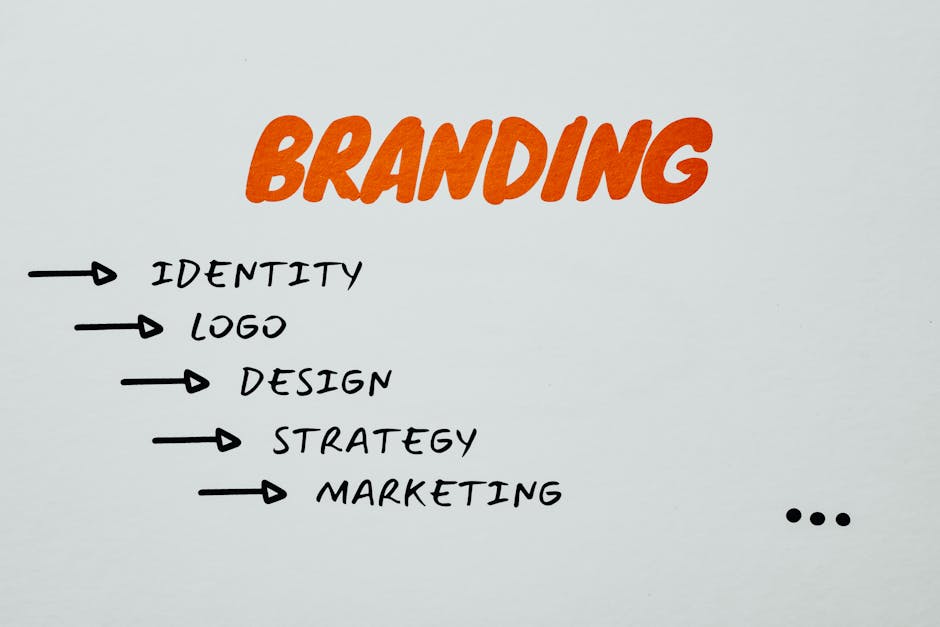
For direct-to-consumer (DTC) brands, growth often comes with unique challenges. Many DTC brands encounter a “revenue wall” typically between $8M and $20M, where the initial founder-led aesthetic begins to falter under the pressure of rapid scaling. The key to overcoming this is to view brand identity not as a static style guide, but as a dynamic, scalable “brand engine” – an operational infrastructure designed to support continuous creative production and consistent brand representation across an ever-expanding array of digital touchpoints.
This engine empowers brands to maintain consistency, accelerate content creation, and ensure every piece of communication, from a social media ad to an email campaign, feels authentically “on brand.” It’s about creating a system that allows for high-velocity creative output without diluting the brand’s core essence.
Core Components of a Scalable System
A truly scalable brand identity system is typically structured in three interconnected layers, each playing a vital role in ensuring consistency and efficiency:
- Strategic Layer: This is the foundational layer, defining the brand’s “why” and “what.” It includes the brand’s core positioning, its unique value proposition, the specific problem it solves, its target persona (moving beyond broad demographics to highly specific individuals), and its emotional job (the feeling or experience it aims to deliver). This layer dictates the brand’s overall narrative and tone.
- Visual Layer: This layer translates the strategic foundation into tangible design elements. It encompasses the logo, color signatures (often anchoring to a single dominant color for recognition), typography (chosen for legibility across various sizes, from 9px mobile text to 90px hero banners), imagery style, and overall art direction. The goal here is to create a distinctive visual language that is both flexible and instantly recognizable.
- Execution Layer: This is the practical, operational layer that brings the brand to life across all channels. It includes pre-designed ad templates (e.g., 8-12 modular templates built in platforms like Figma or Canva), email modules, packaging specifications, and guidelines for various digital assets. This layer ensures that any creator, internal or external, can produce on-brand content efficiently without constant, time-consuming briefings. For instance, a well-defined execution layer can cut creative revision rounds per asset by 40-60%, significantly boosting production speed.
Auditing and Rebuilding Your Brand Infrastructure
Knowing when to audit and potentially rebuild your brand identity system is crucial for long-term growth. Signs that your brand infrastructure needs attention include creative teams constantly battling the system, customer research indicating a drift in brand positioning, competitors encroaching on your visual territory, or the brand’s aesthetic simply feeling dated on modern digital channels. A brand refresh, when done strategically, is not a panic move but an inevitable evolution.
Consider the success story of Brightland, an olive oil brand. After rebuilding its brand identity system, Brightland’s net revenue climbed an impressive 38% in the first year. Simultaneously, their customer acquisition cost (CAC) dropped by 12%, and their brand blind test pass rate for paid creative soared from 40% to over 85%. These metrics highlight the tangible impact of a refined and scalable brand identity.
The process of auditing and rebuilding typically involves a deep dive into existing assets, customer perceptions, and competitive analysis. It’s about identifying friction points and areas where the brand is failing to resonate or scale effectively. In July 2026, leveraging AI-driven marketing strategies can significantly enhance this process. AI tools can analyze vast amounts of data—from customer feedback and market trends to creative performance—to identify patterns, predict future shifts, and even suggest optimized visual and messaging approaches for your brand refresh. This data-driven insight ensures that any rebuild is not just aesthetically pleasing but strategically sound and poised for future growth.
Multi-Channel Execution: Consistency, Content, and SEO
Achieving true brand consistency across the myriad of digital channels is a complex but essential task. It requires a strategic approach that integrates brand identity into every facet of your digital marketing efforts, from search engine optimization (SEO) to social media engagement. The goal is multi-channel alignment, ensuring that your brand guidelines are not just documents but living principles that inform all content creation and distribution. Digital asset management (DAM) systems play a pivotal role here, centralizing brand assets and ensuring that all teams have access to the latest, on-brand materials.
Integrating Digital Marketing and Brand Identity into SEO
The relationship between branding and SEO is symbiotic. While traditional SEO often focuses on keywords and technical optimizations, a strong brand identity elevates SEO efforts by building authority, trust, and direct search interest. Instead of solely targeting high-volume keywords, an effective strategy integrates mission-related keywords that align with your brand’s core values and unique selling propositions. This not only attracts relevant traffic but also reinforces your brand’s identity with every search query.
Case in point: Fiat’s YouTube ad for the 500X Crossover. This digital marketing campaign wasn’t just about views; it directly impacted brand search. The ad increased search volume for the model by a remarkable 230% and boosted brand awareness among 35- to 44-year-olds by 23%. This demonstrates how compelling brand-focused content can drive organic search interest, acting as a powerful brand-building tool.
Beyond general search, local SEO strategies are critical, especially for businesses with physical locations or those targeting specific geographical areas. Optimizing your Google Maps listing with consistent branding, high-quality images, and a clear brand voice can significantly enhance local visibility and trust. When your brand identity is woven into your SEO strategy, you’re not just ranking for keywords; you’re building a recognizable and trusted presence in the digital search ecosystem.
Leveraging Social Media and External Creators
Social media platforms are dynamic arenas for brand building, offering unparalleled opportunities for organic engagement and direct interaction with your audience. However, maintaining brand consistency across diverse platforms, each with its unique nuances, requires careful planning.
For many brands, especially DTCs, user-generated content (UGC) has become a primary creative fuel. Leveraging external creators and UGC talent can be incredibly effective, but it requires a refined briefing process. Instead of providing overly restrictive visual controls, successful brands brief creators on the “emotional territory” and conversational tone of the brand. This allows creators the freedom to produce authentic content that resonates with their audience while still aligning with the brand’s core message. Over-directing visuals can stifle the authenticity that makes UGC so powerful.
To maintain brand consistency as teams and agency rosters grow, designating an internal “brand steward” is a best practice. This individual or team champions the brand guidelines, conducts quarterly brand audits (e.g., reviewing 30 random creative assets from the last 90 days), and implements approval workflows based on clear guardrails. This “yes, and” approach, focusing on what can be done within brand parameters rather than what cannot, fosters creativity while safeguarding brand integrity.
Measuring Success and Managing Online Reputation

In the realm of digital marketing and brand identity, measurement is not an afterthought but an integral part of the strategy. Understanding how your brand is perceived and performing online allows for data-driven decisions and continuous improvement. Effective brand reputation management is about actively shaping and protecting your brand’s image, ensuring that positive sentiment outweighs negative feedback, and that crises are handled with transparency and honesty.
Key Metrics for Tracking Brand Equity
To truly gauge the success of your digital branding efforts, look beyond vanity metrics. Key Performance Indicators (KPIs) should focus on aspects that reflect brand equity and impact. These include:
- Brand Sentiment: Tracking mentions across digital channels (social media, review sites, news articles) to determine if references are positive, negative, or neutral. Tools for sentiment analysis can provide invaluable insights into public perception.
- Customer Engagement: Measuring interactions such as likes, shares, comments, email open rates, click-through rates (CTR), and time spent on your website. High engagement often correlates with strong brand affinity.
- Conversion Rates: Branding should lead to business outcomes. Tracking conversion rates from branded campaigns or organic searches can show the direct impact of brand strength on sales or lead generation.
- Brand Search Volume: Monitoring how often your brand name or branded keywords are searched for directly indicates brand awareness and interest.
- Creative Revision Rounds: Internally, a well-built brand identity system can dramatically reduce the number of creative revision rounds needed per asset, potentially cutting them by 40-60%. This efficiency gain is a direct measure of the system’s effectiveness in streamlining creative production.
Online Reputation Management Strategy
An effective online reputation management (ORM) strategy is proactive and responsive. It involves continuously monitoring various digital platforms where your brand is discussed. This includes:
- Review Platforms: Actively soliciting, monitoring, and responding to customer reviews on sites like Google My Business, Yelp, and industry-specific platforms. Thoughtful responses, especially to negative feedback, demonstrate a commitment to customer satisfaction.
- Social Media Comments: Engaging directly with followers, addressing concerns, and participating in conversations. This humanizes your brand and builds a loyal community.
- Feedback Loops: Establishing clear channels for customers to provide feedback and ensuring that this feedback informs product development, service improvements, and marketing strategies.
- Crisis Preparation: Having a predefined plan for addressing potential online crises. Transparency and taking responsibility for mistakes are paramount in maintaining trust during challenging times. By consistently nurturing your online presence and proactively managing your reputation, you build a resilient brand that can withstand scrutiny and foster enduring customer loyalty.
Frequently Asked Questions
What is the role of brand identity in digital marketing?
Brand identity serves as the compass for all digital marketing activities. It dictates how a brand is positioned in the digital marketplace, enabling it to differentiate itself from competitors, establish an emotional connection with consumers, and build trust. Without a strong brand identity, digital marketing efforts lack coherence and impact.
How do you maintain brand consistency across digital channels?
Maintaining brand consistency involves several key practices: establishing comprehensive brand guidelines (covering visuals, tone, messaging), utilizing centralized digital asset management (DAM) systems, developing modular templates for content creation, and designating brand stewards within the organization to ensure adherence to guidelines across all platforms.
How do you measure the success of digital branding?
Measuring digital branding success involves tracking a combination of qualitative and quantitative metrics. Key indicators include brand sentiment (positive/negative mentions), brand search volume, customer engagement rates (likes, shares, comments), website traffic, conversion rates, and the efficiency of creative production (e.g., reduced revision rounds).
Conclusion
The journey to building a strong online presence through digital marketing and brand identity is one of continuous evolution and long-term dedication. As we move further into July 2026, the digital landscape will undoubtedly continue to shift, but the core principles remain constant: authenticity, consistency, and a deep understanding of your audience. By meticulously defining your brand identity, building a scalable brand engine, executing consistently across all digital channels, and diligently measuring your impact, you can transform your digital footprint into a powerful, enduring brand statement. This strategic approach, championed by marketing veterans like Julie Camp with her 20+ years of marketing experience, ensures not just digital growth but lasting brand equity and customer loyalty.