































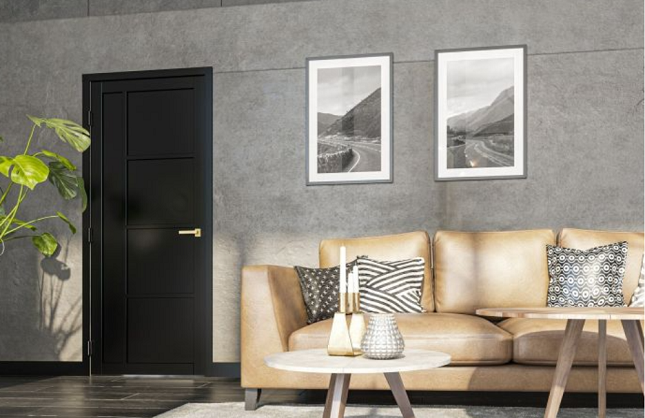
If your home’s interior doors feel plain or outdated, you may be looking for a way to give your rooms a different look without taking on a full remodel. Perhaps you’re considering black internal doors but aren’t sure how they would work with your existing walls, flooring, or furniture.
Black internal doors can suit a range of interiors, including traditional, contemporary, and industrial-style spaces. Choosing one, however, involves more than deciding on a color. Different styles, materials, finishes, glazing options, and hardware can all affect how the finished door looks and works within your space.
This guide from Oakwood Doors explores the key options to consider when looking at black internal doors, from door design and material to finishes and hardware. Whether you’re considering black doors for a hallway, bedroom, or living space, you’ll find clear information to help you compare the options and decide what suits your home.
1) Match Black Doors to Your Interior
Black creates strong contrast, especially against white or light-colored walls and trim. This contrast draws the eye and gives a room a clear focal point, making black internal doors a noticeable style choice for homeowners who want a visible update.
Home style matters as well. A simple black panel door can suit minimalist and contemporary spaces, while doors with raised molding or detailed trim often fit better in traditional homes. Farmhouse-style interiors tend to pair well with black doors that have visible wood grain, and industrial spaces often favor flatter, more matte finishes with metal-style hardware.
Wall color plays a big role too. Light neutrals like white, cream, and soft gray create the strongest contrast with black doors, while warm tones such as beige or soft tan soften the look and add coziness. Pastel walls can still work well when the rest of the room stays fairly simple.
Darker walls, like navy or charcoal, offer a softer, more subtle contrast. Baseboards and trim are worth planning as well, especially if you are making a major color change and need to prepare the surface before repainting.
If you are comparing black internal doors from Oakwood Doors, look at the panel style, finish, and overall design alongside your existing walls, flooring, and furniture.
2) Compare Solid and Glazed Door Designs
Once black feels like the right fit for your interior, the next decision is choosing between a solid door and a glazed one. This choice affects the room’s privacy, light flow, and overall appearance.
Solid panel doors provide greater visual privacy and create a strong, grounded visual presence. Their darker appearance can also create a stronger visual focal point in a hallway or entryway.
Glazed doors include a section of glass within the frame, and clear glazing allows light to pass between rooms. Hallways or smaller spaces can feel more open with this style, especially in homes that could use more natural light. Frosted or privacy glass offers a middle ground, letting light through while blurring the view for spaces like home offices or bathrooms.
Privacy needs vary from room to room, so it helps to consider how much each space actually requires. A living room or study may need less privacy than a bedroom.
When comparing black glazed options from Oakwood Doors, consider the glass type alongside the light and privacy each room needs.
3) Choose Quality Door Material, Finish, and Hardware
Material can affect the durability, appearance, and price of a black internal door, and these factors vary depending on how the door is constructed. Solid wood doors can have a substantial feel, while engineered wood and laminate options can offer different combinations of appearance, durability, and cost.
Finish is the next consideration, and it changes how a black door reflects light and how formal or casual it feels. Matte finishes tend to have a modern, understated appearance and may make fingerprints and smudges less noticeable than glossier finishes. Smooth or satin finishes reflect a bit more light, giving the door a slightly sleeker appearance.
Textured finishes, including those with visible wood grain, add warmth and often suit farmhouse or traditional interiors. Hardware matters just as much as the finish itself, and matte black hardware creates a coordinated look that blends with the door.
Brass hardware brings contrast and a warmer, more traditional feel, while nickel or chrome hardware offers a cooler, modern contrast against the black surface. Matching hardware to the door keeps the overall look simple and unified.
Contrasting hardware, meanwhile, adds visual interest in a room where the door serves as a statement piece.
4) Find Black Doors for Different Rooms
Certain rooms may suit black doors more naturally than others. Hallways can work particularly well, since they set the tone for the rest of the home and benefit from added contrast.
Bedrooms may suit solid doors when privacy is a priority. Living rooms can suit either solid or glazed doors, depending on how open the space should feel.
Home offices often work well with frosted or privacy glass, letting in some light while still offering separation from the rest of the house. Black doors can also create a strong first impression in entryways.
Smaller or darker rooms need a bit more thought, since black doors may feel more visually dominant when natural light is limited. A glazed design or a lighter wall color nearby can help balance the effect in these cases.
5) Confirm Door Measurements Before You Order
After settling on style, design, finish, and hardware, the final step involves checking that the door will actually fit your space. Doorway measurements can vary between homes, especially older properties, making it worth measuring the height, width, and door thickness or checking the frame details of your existing doorway before ordering.
Even when a door appears to match a standard size, check the listed dimensions to avoid fit problems or the need to reorder. Hardware such as hinges and locks should also be checked against the door thickness and existing frame.
Older homes may have doorways that differ from modern standard sizes, so a closer look at the frame itself can prove useful. A few extra minutes spent measuring carefully can save time and frustration later, especially if you need a custom-sized door.
Bottom Line
The right black internal door depends on how you want it to look, where you plan to use it, and how it fits with your existing interior. Style, wall color, and trim all play a part in whether black feels like a natural fit for a space.
From there, glazing, finish, and hardware shape the final look, while the room itself often points toward a solid or glazed design. Considering these factors together, alongside accurate measurements, can help you narrow down the options before making a final choice.
If you plan to order from Oakwood Doors, check the product details and measurements before making your final choice.