





























Brooklyn’s crowded streets, busy intersections, apartment buildings, and active commercial areas create countless situations where an unexpected accident can leave someone injured and facing difficult questions about what comes next. For people seeking compensation, a claim’s strength often depends on more than explaining how the incident occurred. Details gathered soon afterward can help establish who was responsible and show how the injury affected work, finances, and everyday life. Yet important proof may become harder to obtain as time passes, especially when businesses, property owners, or other parties control the records.
Acting early can give an injured person a stronger foundation for discussions with insurers or a potential lawsuit. If you’re unsure which materials could support your case, you may want legal guidance on Brooklyn personal injury at Shulman & Hill, especially when responsibility is disputed or losses continue to grow. Knowing what to collect, request, and protect can help prevent valuable facts from being lost before a claim receives serious legal review.
Start With the Accident Scene
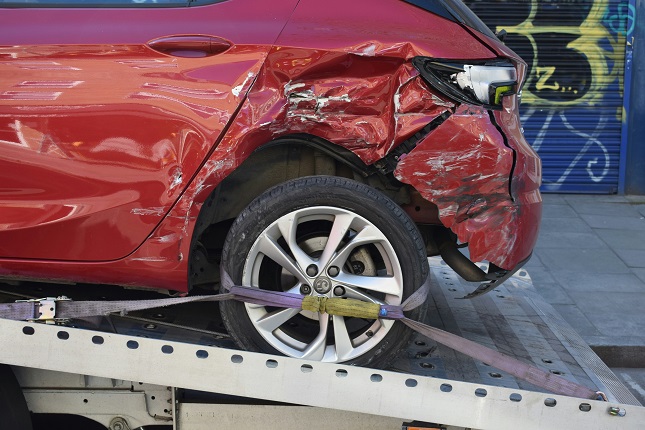
Photographs should capture vehicle positions, road conditions, visible injuries, property damage, traffic controls, and surrounding hazards. The injured person should record the date, location, weather, and sequence of events while memories remain fresh.
Scene evidence becomes more useful when it connects to later records. A dated set of photographs can support later descriptions of traffic controls, vehicle positions, and visible damage. A personal injury review can help place those records in context for liability, damages, and preservation needs. It can also reveal gaps in a claim file during review.
Preserve Medical Records
Medical documentation connects an accident to diagnosed injuries, treatment, restrictions, and continuing symptoms. Records should include emergency visits, imaging results, physician notes, prescriptions, therapy sessions, and discharge instructions.
Keeping appointment dates and treatment instructions together creates a consistent timeline. The injured person should follow prescribed treatment and keep notes about missed work, reduced activities, and daily limitations.
Those details add context to medical records and help document an injury’s practical effects. Unexplained gaps in treatment can raise questions about the sequence of care, so record each visit.
Identify Witnesses and Reports
Witness statements can clarify disputed facts, especially when drivers describe a collision differently. Collect names and contact information promptly, along with a brief note about what each witness observed.
Official reports preserve details recorded close to the accident. An accident report can contain statements, diagrammed positions, identifying information, and observations recorded by an investigating officer.
Keep copies of reports with the claim file. The injured person should also record when they requested, received, and reviewed each report.
Gather Financial Evidence
Income records document lost wages after an injury. Pay stubs, employer records, tax documents, and written leave information can show earnings before and after the accident.
Treatment costs also require documentation. Keep bills, receipts, pharmacy records, transportation expenses, and other related invoices organized by date and provider.
A chronological file makes missing records easier to identify. Separate folders for medical, employment, property, and expense documents also make later review more efficient.
Preserve Digital and Physical Evidence
Surveillance footage, Dashcam recordings, photographs, text messages, and other electronic records can contain useful facts. Some systems automatically delete older footage, so make preservation requests promptly when you know relevant footage exists.
Physical evidence also deserves care. Store damaged helmets, defective parts, torn clothing, and other objects connected to the incident safely rather than discarding or altering them.
Retain the original files whenever possible. Copies can support review, while original photographs and recordings preserve the source material used for later verification.
Document Communications and Changes
Accident claims often involve repeated communications with insurers, employers, medical providers, or property representatives. Record dates, names, reference numbers, and the substance of important communications.
Store written communication with related documents. A consistent record shows what you reported, when you reported it, and what followed.
Use the same approach for symptom and treatment changes. New diagnoses, referrals, medication changes, work restrictions, and physical limitations should receive dated entries.
Build a Clear Evidence Timeline
A timeline should connect the accident, medical treatment, work disruption, expenses, and recovery process. Each entry should identify the date, event, source, and supporting document.
Consistent organization makes gaps easier to spot. It also helps separate facts recorded at the time from later recollections, which can matter when responsibility or damages are under dispute.
A dated timeline can reveal missing documents before a claim gets formally evaluated. That gives the injured person a practical checklist for gathering records while they remain available.
Conclusion
A well-documented accident claim depends on evidence that is accurate, timely, and connected to the losses being claimed. Photographs, medical records, witness information, reports, financial documents, and preserved recordings each address a different part of the record. The next step is practical: create a dated evidence file immediately after an accident. Preserve original documents, photographs, recordings, and receipts before repairs or routine data deletion remove valuable details. Keep everything in one secure location so you don’t misplace anything.