



























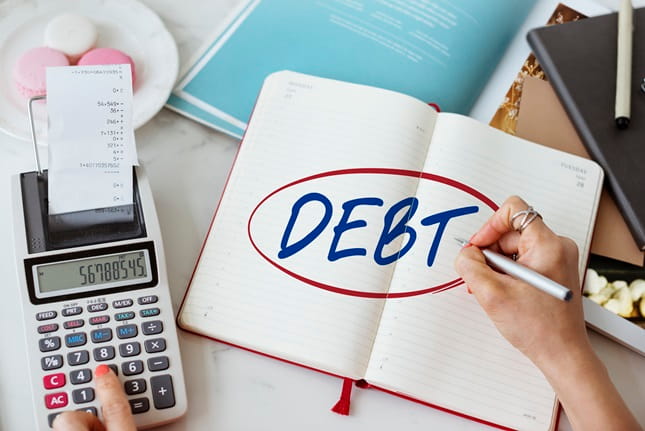
Most people do not consider bankruptcy when debt first starts building up.
Many people think their debt is only temporary. They expect missed payments to be fixed next month, credit card balances to drop after their next commission, or business cash flow to get better soon.
For many professionals and small business owners, the real problem is not the debt itself but waiting too long to make the right financial choice.
By the time people start thinking about bankruptcy, they have often used up their savings, maxed out their credit cards, borrowed from retirement accounts, and spent months trying to handle the problem.
Many people start by asking, should you file for bankruptcy?
But the bigger question is whether waiting is actually making things worse.
Why People Keep Waiting
There is a strong emotional resistance to bankruptcy.
People often see bankruptcy as a failure, even when the numbers show their current path cannot work anymore.
Business owners have an even harder time because debt feels personal. It is connected to their ambition, sense of responsibility, and reputation.
So instead of making a long-term plan, many people focus on just getting by each month:
- moving balances between cards
- taking on higher-interest loans
- using personal credit to support business expenses
- skipping tax payments to stay current elsewhere
- delaying conversations with creditors
The focus shifts to just making it through another month, rather than fixing the problem for good.
The Financial Damage of Waiting Too Long
Waiting too long to file for bankruptcy often leads to problems people do not see coming.
It can mean:
- years of unnecessary interest payments
- damaged retirement savings
- increased legal pressure from creditors
- wage garnishments
- home equity loss
- worse credit damage from repeated missed payments
In many cases, waiting does more financial harm than bankruptcy itself.
The U.S. Courts bankruptcy guide explains how bankruptcy is designed to stop collection pressure and create a legal path toward financial recovery, not simply erase debt.
When Bankruptcy Becomes the Smarter Business Decision
People often see bankruptcy as a last resort, but for many, it is actually the smarter financial move.
It may be the right move when:
- debt payments leave no room for business growth
- personal income is being consumed by old balances
- collections or lawsuits are affecting daily operations
- credit cards are covering basic living expenses
- every solution only buys temporary time
At that stage, bankruptcy is less about losing something and more about protecting your future income.
The best financial decision is not always the one that feels safest. It is the one that gives you the clearest path to recovery.
Bankruptcy and Financial Discipline Can Exist Together
A common myth is that bankruptcy means you have been irresponsible with money.
In reality, many people who file for bankruptcy are very disciplined. They just reached a point where the numbers no longer added up.
Things like medical emergencies, business slowdowns, divorce, inflation, or sudden loss of income can put even responsible people in a position where they cannot pay back what they owe.
The Consumer Financial Protection Bureau debt resources also remind consumers that understanding debt rights and repayment protections is a major part of financial discipline, not a sign of failure.
Bankruptcy should be seen like business restructuring, a decision made to protect your long-term future.
Recovery Starts With Clarity
You should not avoid bankruptcy just for the sake of avoiding it.
The real goal is to recover financially.
That means asking:
- What option protects income the fastest?
- What choice gives the best chance of rebuilding credit responsibly?
- What path stops the financial bleeding instead of extending?
As discussed in Mind My Business NYC’s own finance coverage on debt repayment plans that actually work, strong financial decisions come from clarity, not pride.
Sometimes, bankruptcy is the smartest choice because it keeps a bad situation from lasting forever.