





























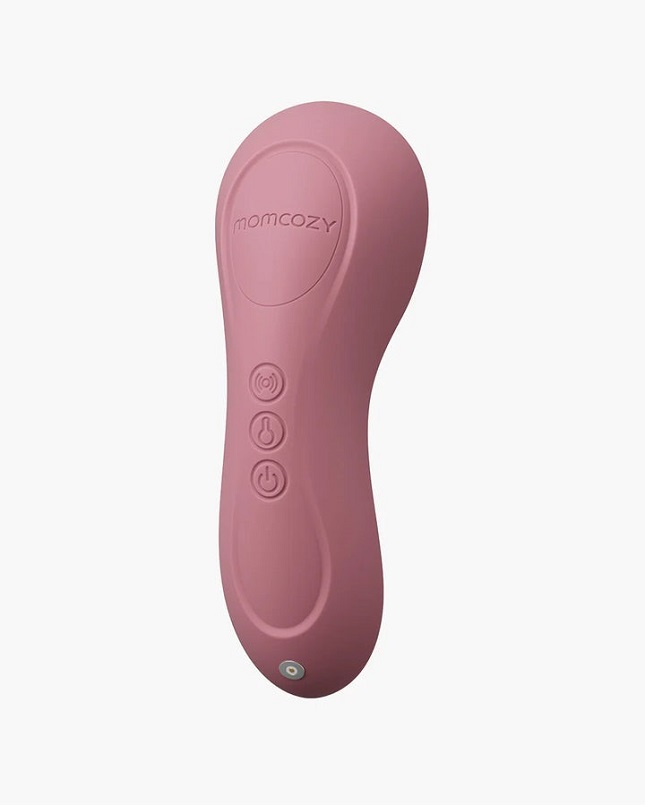
For many working mothers, the daily juggle between professional responsibilities and breastfeeding feels like an impossible balancing act. Between rushed pumping sessions in office break rooms and the frustration of watching barely enough milk collect in the bottle, the experience can quickly become overwhelming. Inefficient milk drainage doesn’t just mean less milk for your baby—it can lead to painful engorgement, blocked ducts, and even a gradual decline in overall supply. These challenges compound the stress that new mothers already face when returning to work. Enter the boob massager: a modern lactation aid designed to make milk drainage easier, faster, and more comfortable. Built with portability and ergonomic support in mind, these devices fit seamlessly into the hectic schedules of mothers who need reliable results without complicated setups. Whether you’re pumping at your desk, in a car, or at home between tasks, the right massager can transform your experience from stressful to manageable. This article explores how a boob massager works, what features matter most, and how to use one effectively for convenient, thorough milk drainage.
Understanding the Need for Effective Milk Drainage in Breastfeeding Support
Proper milk drainage isn’t just about collecting enough milk for your baby’s next feeding—it’s fundamentally tied to how your body maintains and regulates supply. The breast operates on a demand-and-supply principle: the more completely milk is removed, the stronger the signal your body receives to produce more. When drainage is incomplete, the remaining milk sends a chemical message to slow production, gradually diminishing your overall output over days and weeks. For working mothers, this creates a frustrating cycle where limited pumping time leads to less thorough drainage, which leads to lower supply, which makes each pumping session feel even less productive.
Beyond supply concerns, incomplete drainage carries real health risks. Milk that sits stagnant in the ducts can cause engorgement—a painful swelling that makes subsequent pumping even more difficult. Left unaddressed, blocked ducts can progress to mastitis, a bacterial infection that brings fever, intense pain, and sometimes requires antibiotics. These conditions don’t just affect your body; they disrupt your work schedule, your sleep, and your ability to care for your baby comfortably.
Working mothers face unique obstacles in achieving thorough drainage. Pumping sessions are often squeezed into fifteen-minute breaks, conducted in less-than-ideal environments where relaxation feels impossible. Stress itself inhibits the let-down reflex, making it harder for milk to flow freely even when time is available. The equipment matters too—standard pumps create suction but don’t replicate the compression and massage that naturally occur during direct breastfeeding. This gap between what the body needs and what busy schedules allow is precisely where easy-to-use, purpose-built tools become essential rather than optional.
What is a Boob Massager? An Introduction to Modern Lactation Aids
A boob massager is a handheld or wearable device specifically engineered to stimulate milk flow through gentle vibration, compression, or warming action applied directly to breast tissue. Unlike the age-old technique of manually kneading your breasts with your hands—which requires both hands occupied, awkward positioning, and inconsistent pressure—a dedicated massager delivers targeted, consistent stimulation that encourages let-down and helps move milk through the ductal system toward the nipple.
Traditional manual massage certainly works, but it demands technique, energy, and time that many mothers simply don’t have during a rushed pumping break. Your hands fatigue quickly, pressure varies from one moment to the next, and it’s nearly impossible to massage effectively while simultaneously holding pump flanges in place. A purpose-built massager eliminates these limitations by providing steady, optimized stimulation without requiring manual effort or coordination.
Modern lactation massagers generally fall into two categories: compact handheld devices that you press against specific areas of the breast, and wearable designs that tuck inside a pumping bra to work hands-free. Brands like Momcozy have developed options in both categories, prioritizing ergonomic shaping that conforms to breast contours rather than fighting against them. The real advantage emerges when these tools integrate directly into your existing pumping routine—used before a session to trigger let-down faster, during pumping to keep milk flowing steadily, or after to ensure ducts are fully emptied. This integration means you’re not adding extra steps to an already time-pressed routine; you’re making the time you already spend pumping significantly more productive.
Key Features of an Ergonomic Lactation Massager for Working Moms
The materials a massager is made from determine whether you’ll actually use it consistently or leave it in a drawer after the first week. The best devices use medical-grade silicone that feels soft against sensitive, often tender breast tissue. This flexibility matters because breasts change throughout the day—fuller before pumping, softer after—and a rigid device that digs in during engorgement defeats its own purpose. Look for smooth, seamless surfaces without hard edges or seams that could irritate skin during repeated use.
Ergonomic shaping goes beyond simply being “rounded.” An effective lactation massager contours to the natural curve of the breast while allowing you to direct pressure where it’s needed most—typically the outer edges and upper quadrants where milk tends to pool. Since no two bodies are alike, the best designs work across a range of breast sizes without requiring you to purchase different attachments or sizes. A slightly curved, palm-sized shape lets you apply gentle rolling pressure with minimal wrist strain, which matters when you’re using it multiple times daily.
For working mothers, battery operation is non-negotiable. A device that requires a wall outlet limits you to specific locations and adds cords to an already cluttered pumping setup. Rechargeable batteries that last through several days of sessions mean one less thing to worry about when packing your bag in the morning. Equally important is noise level—a massager that hums loudly announces what you’re doing to everyone nearby, undermining the discretion many mothers need in shared workspaces. The best options operate quietly enough to use during a phone call without detection. Finally, easy cleaning keeps the device hygienic without adding another complicated task to your routine; waterproof construction that you can rinse under a tap and wipe dry in seconds makes consistent use realistic rather than aspirational.
Why Portability Matters for Busy Mothers
Consider the reality of where pumping actually happens: a locked office with five minutes before your next meeting, the backseat of a car between appointments, a hotel room during a work trip. In each scenario, a compact massager that slips into a purse or pump bag without adding bulk means you always have access to better drainage regardless of location. Portability removes the excuse of “I didn’t have my equipment with me” and turns every pumping opportunity into a productive one. Mothers who travel for work particularly benefit—rather than accepting subpar sessions away from home, a portable massager ensures consistency that protects supply even when routines are disrupted. The psychological benefit matters too: knowing you have the right tool with you reduces the anticipatory stress that itself inhibits let-down.
Step-by-Step Guide: How to Use a Boob Massager for Easy Milk Drainage
Getting the most from a lactation massager isn’t complicated, but a deliberate approach makes the difference between marginal improvement and genuinely transformative results. The key is understanding that the massager serves different purposes at different stages of your pumping session—preparation, active drainage, and completion—and adjusting your technique accordingly. Many mothers report that once they establish a consistent method, their total pumping time decreases while output increases, simply because milk begins flowing sooner and continues flowing longer without the stop-start pattern that plagues rushed sessions.
Preparation and Setup for Convenient Pumping
Start by ensuring your massager is clean and charged—making this part of your evening routine prevents morning scrambles. Find a position where your shoulders can relax, whether that’s leaning slightly forward at your desk or reclining in a car seat. Before attaching your pump, turn the massager to its lowest vibration setting and apply it to the outer edges of your breast using slow, sweeping motions toward the nipple. Spend about two minutes on each side. This pre-pump massage warms the tissue, loosens any areas of firmness, and primes your let-down reflex so that when suction begins, milk is already moving. Adjust the intensity upward only if you feel comfortable—the goal is relaxation, not deep pressure.
Techniques for Effective Massage and Drainage
Once your pump is running, position the massager on areas that feel full or firm—commonly the upper outer quadrant and along the sides. Use a gentle circular motion or slow strokes that always move toward the nipple, following the natural direction of your milk ducts. When you notice flow slowing during a session, shift the massager to a new area and hold steady pressure for ten to fifteen seconds before resuming movement. This technique helps release milk trapped in deeper ducts that suction alone cannot reach. Alternate between breasts if you’re single pumping, giving each side attention when flow diminishes rather than simply waiting passively.
Post-Use Care and Maintenance
After each session, rinse the massager under warm running water with mild soap, paying attention to any textured surfaces where residue might collect. Shake off excess water and let it air dry on a clean cloth, or pat it dry if you need to pack it immediately. Store it in a dedicated pouch or compartment in your pump bag to keep it away from loose items that could scratch the surface. Once weekly, sanitize it with a steam bag or by wiping with a food-safe sanitizing solution. Keeping the charging port dry and checking battery life every few days ensures the device is always ready when you need it without last-minute surprises.
Benefits and Practical Tips for Integrating a Portable Massager into Your Routine
The most immediate benefit mothers notice is speed. When let-down happens faster and milk flows more consistently throughout a session, total pumping time often drops by several minutes per session. Multiply that across three or four daily sessions, and you’re reclaiming meaningful chunks of your workday. Many mothers also report measurably higher output—not because their bodies suddenly produce more milk, but because they’re finally accessing milk that was previously left behind in deeper ducts. This more complete drainage reinforces the supply signal, creating a positive cycle where better sessions today support stronger production tomorrow.
Comfort improvements shouldn’t be underestimated either. The gentle vibration and warmth help relax tense chest muscles and reduce the sharp discomfort that often accompanies the first minutes of pumping, particularly during engorgement. Over time, consistent use can reduce the frequency of blocked ducts entirely, eliminating one of the most common reasons mothers consider weaning earlier than planned.
To integrate the massager effectively, pair it with a consistent schedule rather than using it sporadically. Set phone reminders for sessions and keep the massager in your pump bag so it’s never forgotten. Combine it with other supply-supporting habits like staying hydrated and looking at photos of your baby during let-down. If you find certain areas of your breast consistently feel lumpy or full after sessions, focus extra massage time there rather than distributing attention evenly. For mothers concerned about discretion, practice your routine at home first so workplace sessions feel automatic and efficient rather than fumbling and stressful. The goal is making the massager an invisible, effortless part of what you already do—not an additional burden layered onto an already demanding schedule.
Making Breastfeeding Sustainable for Working Mothers
The journey of breastfeeding while managing work and daily responsibilities doesn’t have to be defined by discomfort, frustration, or dwindling supply. A well-designed boob massager addresses the core challenges that working mothers face—limited time, incomplete drainage, and the physical toll of rushed sessions—by delivering consistent, targeted stimulation that works with your body rather than against it. Its portability means reliable results whether you’re in a dedicated nursing room or improvising in a parked car, while ergonomic construction ensures comfort even during the most sensitive days of engorgement or early postpartum recovery.
What makes this tool genuinely valuable isn’t complexity—it’s simplicity. By fitting naturally into the pumping routine you already have, a lactation massager removes barriers to thorough drainage without demanding extra time or energy you don’t have to spare. The cumulative effect of faster let-downs, more complete emptying, and fewer blocked ducts adds up to a breastfeeding experience that feels sustainable rather than something you’re barely surviving. As modern maternal care continues evolving, embracing tools designed around real-world constraints isn’t indulgence—it’s practical self-care that directly benefits both you and your baby. Give yourself permission to make this part of your routine easier.