




























A great humidor has always done two jobs at once. First, it protects cigars by maintaining a stable internal environment. Second, it signals something about the owner’s taste: not just what they smoke, but how they choose to live with the rituals surrounding it. That dual role is exactly where Elie Bleu has built its reputation.
What makes the brand interesting is not simply that its humidors are luxurious. Plenty of makers can add gloss, exotic veneers, or a premium price tag. Elie Bleu stands out because it treats the humidor as both a functional storage instrument and a piece of decorative art. In other words, it doesn’t force collectors to choose between old-world craftsmanship and modern design language. It manages to hold both.
The Humidor as a Technical Object
Before talking about finishes, marquetry, or design signatures, it’s worth remembering what a humidor is supposed to do. Cigars are highly sensitive to swings in humidity and temperature. Too dry, and they lose oils, aroma, and burn quality. Too moist, and they can swell, burn unevenly, or even develop mold. A humidor that looks impressive but fails at environmental stability is ultimately just a box.
That is why traditional humidor-making has always depended on cabinetmaking fundamentals. Tight joinery, reliable hinges, well-calibrated closures, and a properly lined interior are not decorative details; they are the basis of performance.
Why traditional craftsmanship still matters
Elie Bleu’s approach reflects that older understanding. The use of premium woods, fitted interiors, and precise construction speaks to the traditions of fine woodworking rather than mass-market manufacturing. Spanish cedar lining, for example, remains central to serious humidor design because it helps regulate humidity, resists tobacco beetles, and complements cigar aging without overpowering it. That material choice is practical, not nostalgic.
The same can be said for the fit and seal of the lid. Seasoned collectors often judge a humidor by subtleties most casual buyers miss: the softness of the close, the consistency of the seal, the way trays and dividers sit without warping. These are small indicators of whether the maker understands storage as a long-term responsibility.
Elie Bleu’s background in decorative arts gives it an advantage here. The brand emerged from a French tradition that values meticulous hand-finishing and exacting standards in luxury objects. But what keeps it relevant is that it applies those standards to a piece that must still function every day.
Where Heritage Meets Contemporary Luxury
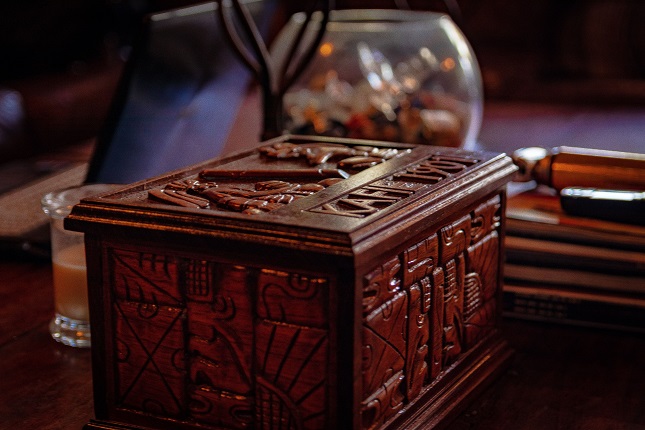
The most compelling thing about Elie Bleu is that its craftsmanship never feels stuck in a museum. Yes, there is obvious reverence for traditional techniques, especially in marquetry and wood veneer work. But the finished humidors often feel tailored to modern interiors and modern collecting habits.
That matters more than it used to. Today’s cigar enthusiasts are as likely to place a humidor in a minimalist office, a media room, or an open-plan living space as in a classic wood-paneled study. The object has to perform in both worlds. It must preserve cigars, but it also has to hold its own visually among contemporary furniture, art, and lighting.
If you want to see that tension between heritage and current design sensibility in one place, browsing handcrafted Elie Bleu cigar storage pieces makes the point clearly. You notice how traditional materials and artisan detailing sit comfortably beside bolder lacquer finishes, sharper silhouettes, and more modern visual contrast. That balance is not accidental; it is part of the brand’s design identity.
Luxury now means more than ornament
There was a time when luxury in cigar accessories often meant visual excess: high shine, heavy decoration, and obvious opulence. That language still appeals to some collectors, but broader tastes have shifted. Modern luxury is often quieter, more tactile, and more intentional. People want objects that feel exceptional when handled, not just admired from across the room.
Elie Bleu fits this change well. Its humidors often communicate luxury through depth of material, precision of finish, and restraint in proportion rather than sheer extravagance. Even when a piece is visually bold, it rarely feels careless. The design usually serves to frame the craftsmanship rather than obscure it.
The Role of Detail in Premium Humidor Design
One reason Elie Bleu has remained influential is that it understands luxury as a layered experience. A collector doesn’t engage with a humidor only once. They engage with it repeatedly: opening the lid, checking the cigars, adjusting the humidification system, selecting something for the evening. Over time, details become the product.
Precision beneath the surface
This is where many high-end objects separate themselves from merely expensive ones. On a well-made humidor, hinges feel deliberate. Interior compartments are logical. The lining is smooth and properly fitted. The lid closes with confidence, not force. None of these features are glamorous on paper, but together they shape trust.
For collectors, trust is everything. Cigars are not static goods; they are aging products. A humidor is part storage solution, part stewardship tool. When a maker pairs traditional methods with modern quality control and refined design, the result feels credible in a way trend-driven luxury often does not.
Why This Balance Resonates With Collectors
Elie Bleu’s appeal ultimately comes down to a simple idea: enthusiasts want objects that honor the ritual of cigar collecting without feeling dated. They want authenticity, but they also want relevance.
That is a difficult line to walk. Lean too heavily into tradition, and a humidor can feel formal or old-fashioned. Chase contemporary styling too aggressively, and it risks becoming disposable fashion. Elie Bleu succeeds because it treats modern luxury as an evolution of craftsmanship, not a replacement for it.
That distinction matters in a market increasingly crowded with flashy accessories and short-lived design trends. Collectors tend to return to pieces that age well aesthetically and materially. A humidor should feel as compelling after years of use as it did on the day it arrived. In that sense, the best luxury is not immediate impact. It is longevity.
Final Thoughts
At its best, humidor design is about more than storage. It is about preserving a product, elevating a ritual, and bringing beauty into an everyday act of care. Elie Bleu has become a reference point because it understands all three.
Its humidors draw strength from traditional cabinetmaking, classic materials, and artisan finishing. At the same time, they speak fluently to contemporary ideas of luxury: individuality, restraint, visual sophistication, and functional integrity. That combination is rare. It is also why the brand continues to matter, not just as a symbol of prestige, but as a case study in how heritage craftsmanship can stay genuinely modern.