





























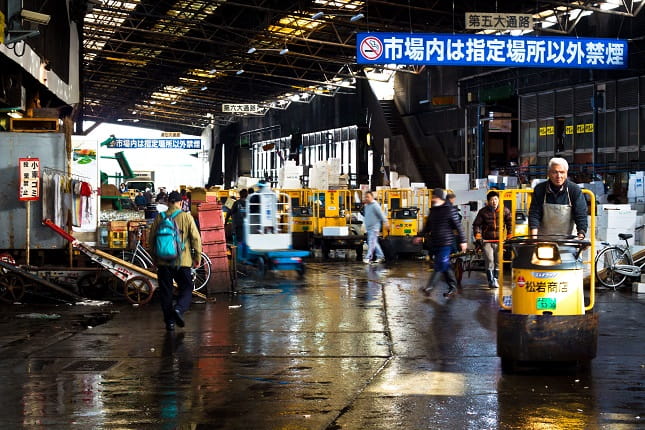
The logistics and warehousing sector is under immense pressure to deliver goods faster and more accurately than ever before. With the rapid expansion of global e-commerce, the sheer volume of pallets moving through modern distribution centres leaves very little room for operational downtime. Many growing enterprises focus heavily on digital solutions to meet these intense demands. While researching the top warehouse management systems is a great way to optimise inventory data and digital workflows, maintaining a clean and safe physical space is just as crucial for smooth daily operations. Without a solid physical foundation, even the most advanced software cannot prevent physical delays. Operations managers must look at micro-efficiencies across their floor plan to truly streamline processes and safeguard their bottom line.
The Hidden Impact of Airborne Dust on Automation
In high-traffic environments, airborne dust is far more than a simple housekeeping issue. The constant accumulation of fine particulates directly impairs modern warehouse automation. For instance, dust can blind the optical sensors and disrupt the scan-matching navigation necessary for Automated Guided Vehicles (AGVs) to operate safely. When these automated systems fail, manual interventions slow down the entire supply chain and eat into profit margins. Furthermore, when airborne dust settles on machinery, it mixes with industrial lubricants to form a harsh abrasive paste. This accelerates the deterioration of critical gears, bearings, and drive shafts, leading to expensive mechanical failures that halt productivity.
To combat this, facilities must move away from manual cleaning methods that simply push dirt around the room. Upgrading to a heavy-duty commercial sweeper allows operations managers to permanently remove hazardous dust from the floor before it becomes airborne. Modern mechanised units leverage integrated high-efficiency filtration systems that can trap particulate matter as small as five microns. This prevents dust from being redistributed into the air, stopping it from settling on high HVAC vents or sensitive inventory stored below. It also ensures that expensive robotics equipment can function without sensor interference.
Prioritising Worker Safety and Regulatory Compliance
Beyond protecting machinery, stringent floor maintenance is a fundamental component of occupational health and safety. Regulatory bodies like Safe Work Australia mandate a Time-Weighted Average standard for general inhalable dust at 10 mg/m³ over an eight-hour shift. This makes proactive dust extraction a strict legal compliance requirement. Poor indoor air quality stemming from inadequate dust control is directly linked to increased employee sick days, chronic respiratory irritation, and higher staff turnover rates in the competitive logistics sector. Additionally, global authorities strictly monitor combustible dust accumulation, as fine airborne particulates can act as a highly flammable fuel source for catastrophic warehouse fires.
Physical debris on the floor creates immediate hazards for staff. Relying on manual sweeping for extensive warehouse footprints increases worker fatigue and ergonomic strain. Cluttered, dirty floors are also a primary cause of workplace accidents. According to recent United States government statistics, the transportation and warehousing sector recorded 10,940 nonfatal injuries from falls on the same level in 2020 alone. Implementing robust cleaning protocols is a critical safety measure to remove slip hazards and protect frontline workers from preventable harm. A clean floor is a safe floor, which directly translates to a more confident and efficient workforce.
Strategies to Extend Fleet Lifespan and Maximise ROI
Maintaining a debris-free floor also has a direct financial impact on the lifespan of your mobile fleet. Operating forklifts over rough or littered concrete accelerates tyre wear and creates a jarring ride that destabilises stacked pallets. A proactive floor maintenance programme prevents sharp debris from puncturing high-value pneumatic or polyurethane forklift tyres, ultimately reducing maintenance budgets.
Implementing a mechanised cleaning strategy delivers several tangible operational benefits:
- Reduced fuel consumption: Driving with just 30 percent tyre degradation reduces vehicle traction, which can increase fleet fuel or battery consumption by up to 10 percent.
- Lower labour costs: Logistics facilities that upgrade from manual floor cleaning to mechanised solutions typically realise a full return on investment within 12 to 18 months due to drastically reduced labour hours and increased square-metre coverage.
- Decreased mechanical strain: Clearing floor debris stops forklift tyres from suffering chunking and flat spots, saving the vehicle’s transmission from expensive and unnecessary wear.
- Improved product aesthetics: Uncontrolled dust eventually drops onto stored inventory, which can ruin packaging aesthetics and lead to costly product rejections or customer returns in e-commerce fulfilment centres.
Ultimately, optimal warehouse efficiency requires a careful balance of advanced software and rigorous physical upkeep. By treating floor maintenance as a strategic operational priority rather than an afterthought, logistics managers can safeguard their valuable machinery, protect their workforce, and significantly lower overall maintenance budgets. Investing in the right physical infrastructure ensures that high-traffic warehouses remain productive, compliant, and ready to handle growing supply chain demands for years to come. As e-commerce continues to reshape consumer expectations, the facilities that prioritise both digital intelligence and physical cleanliness will undoubtedly secure a competitive edge.