





























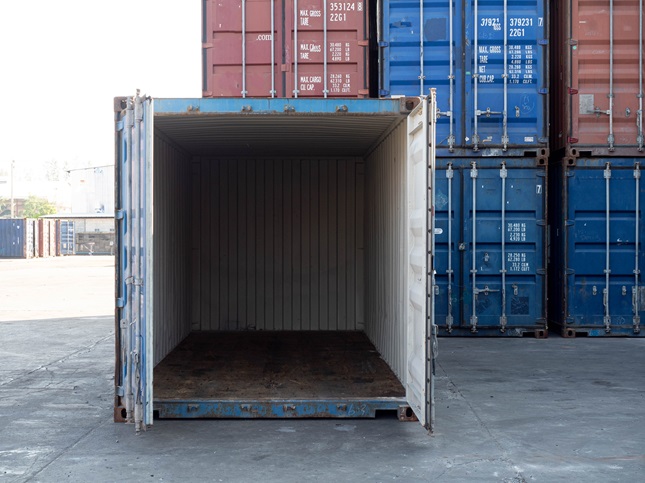
Reefer container for rent (this is commonly referred to as ตู้ คอนเทนเนอร์ เช่า ติด แอร์ in Thai) options can help businesses relocate warehouses without interrupting temperature-controlled storage. By providing temporary capacity while stock, equipment and teams move between premises, rented refrigerated units allow operators to transfer inventory in stages, maintain required storage conditions and keep customer orders moving. The real benefit is not simply extra space. It is the breathing room to organise a complicated commercial move.
Two Warehouses, One Trading Schedule
Imagine a frozen food distributor leaving a crowded industrial estate for a larger site across town. The new loading bays are ready, but the cold room installation is running behind. Meanwhile, restaurant customers still expect their usual deliveries.
Moving every pallet on a single weekend would place enormous pressure on drivers, warehouse staff and the refrigeration team. Temporary refrigerated storage can create a buffer, allowing the company to relocate one product category at a time rather than gamble on a complete overnight changeover.
Treat the Move as a Series of Handovers
A successful relocation needs more than a moving date. Managers should map out which products will leave first, where they will be held and who is authorised to release them.
A practical handover plan might include:
- Separate stock flows:Keep outgoing customer orders apart from inventory awaiting transfer.
- Record every movement:Update stock locations as pallets enter or leave temporary storage.
- Assign temperature checks:Monitor conditions using procedures appropriate to the goods, including during loading and unloading.
- Protect access routes:Leave room for delivery vehicles, safe handling and routine equipment inspections.
These steps help prevent a costly problem: stock that physically exists but cannot be located when an order arrives.
Check the Site Before the Unit Arrives
A rental agreement should be matched to the realities of both premises. Is there enough level ground for delivery and placement? Can vehicles approach safely? Is a suitable electrical supply available?
Businesses should also establish who will arrange installation, monitor the unit, respond to alarms and pay operating costs. Capacity matters, but so do loading patterns, door-opening frequency and the length of the rental period.
Temperature-controlled equipment must be suitable for the particular products stored. A working refrigeration unit alone does not guarantee safe handling if goods are left exposed during transfer.
Keep Customers Out of the Disruption
Relocations become expensive when internal changes spill into customer relationships. Sales teams should know which stock is immediately available, which batches are in transit and whether delivery promises need adjusting.
Rather than announcing a blanket suspension of orders, businesses can maintain a realistic dispatch schedule around each stage of the move. Clear communication gives customers confidence even when the warehouse is changing behind the scenes.
Make the New Address a Fresh Start
Once the new facility is operational, rented capacity can be phased out as stock is checked, reconciled and moved into permanent locations. Thai Reefer offers refrigerated container rental options in different sizes, alongside technical support. Contact Thai Reefer to discuss temporary cold storage requirements and plan a warehouse relocation around the demands of your business.