





















A single bad print can ruin an expensive garment and quietly damage a brand’s reputation. When a design cracks, fades, or feels stiff after a few washes, customers notice immediately. Many brands avoid screen printing for this reason, assuming it cannot meet premium standards. That assumption limits creative options and drives up production costs unnecessarily. Screen printing has evolved, and when handled correctly, it supports high-end apparel without sacrificing comfort or durability.
Premium clothing depends on details that last beyond the first wear. Fabric quality, construction, and surface all shape how a garment is judged over time. Printed elements play a role in that experience, even when they look subtle. Modern screen printing allows designs to blend into fabric rather than sit on top of it. Improvements in inks and process control have changed how prints age. These shifts explain why screen printing belongs in premium apparel today.
Why screen printing still earns respect
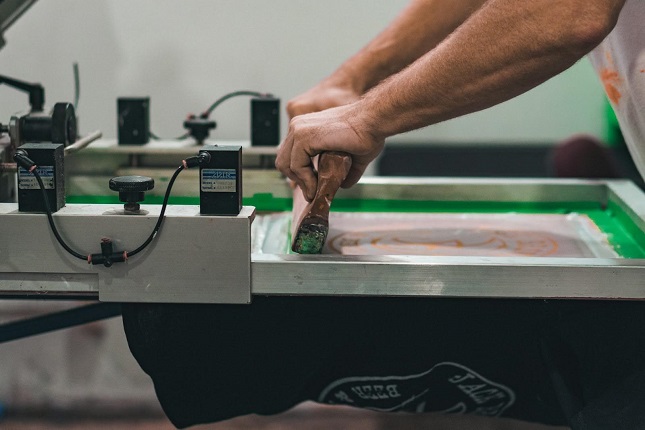
Screen printing works through direct contact between ink and fabric. Ink is pressed through a prepared screen in controlled layers, creating strong color and clean edges. This process allows prints to bond with fibers instead of floating above them. When executed well, the result feels flexible and balanced. That physical connection supports long-term wear.
Consistency strengthens its reputation. Once screens are finalized, each garment follows the same printing path. Designers and brands know what to expect from run to run. Predictability reduces costly surprises during production. For premium apparel, that reliability protects brand confidence.
Many high-end brands partner with specialists like Oak and Twine to align printing quality with design goals. This collaboration allows ink testing, pressure adjustments, and fabric trials before full production. Each decision supports consistency across collections. Trust between brand and printer shapes the final result. That trust shows in how garments perform over time.
Where quality actually begins
Quality screen printing begins at the design stage. Artwork must consider line thickness, spacing, and layering to prevent stress on the print. Small design changes reduce cracking and distortion later. This preparation protects both appearance and comfort. Thoughtful planning separates refined results from rushed output.
Ink choice directly affects how a garment feels. Premium apparel often uses inks that absorb into fibers rather than forming heavy surfaces. Water-based and discharge inks support softness and breathability. These inks allow fabric movement without resistance. Comfort stays intact during extended wear. Production control brings everything together. Temperature, pressure, and curing time determine durability. Skilled printers monitor each step closely. Controlled curing prevents fading and surface damage. Precision protects long-term value.
How premium brands use screen printing today
Premium brands use screen printing with intention rather than volume. Prints often appear as accents rather than full coverage statements. This restraint keeps focus on fabric quality and fit. Designs support the garment instead of dominating it.
Limited collections benefit from this approach. Screen printing delivers consistent results without forcing mass production. Brands maintain exclusivity while protecting quality. This balance fits premium positioning well.
Screen printing also supports brand storytelling. Subtle textures and muted tones communicate values without shouting. Placement feels deliberate rather than promotional. Customers recognize intention in these choices.
Fabric choice changes outcomes
Fabric selection shapes how prints behave. Heavy cotton absorbs ink differently from lightweight blends. Premium textiles require softer printing strategies. Printers adjust mesh count and ink flow to protect the structure. Customization supports comfort and longevity.
Natural fibers pair well with breathable ink systems. Prints become part of the fabric rather than an added layer. Stretch materials need flexible inks to handle movement. Testing confirms compatibility before production begins. Preparation prevents failure.
Material pairing affects how garments age. Premium apparel should develop character rather than flaws. Well-matched ink and fabric fade evenly. Softness improves instead of disappearing. This aging process supports long-term satisfaction.
What separates premium screen printing from average work
Design restraint
Premium printing values balance. Overloaded designs add stiffness and visual noise. Simpler layouts allow materials to lead. Restraint supports wearability.
Process discipline
Uncontrolled curing weakens ink bonds. Premium work requires precise timing and temperature. Discipline improves wash resistance. Durability increases.
Testing before release
Test prints reveal wear behavior early. Adjustments happen before customers see the product. This step protects reputation. Confidence follows preparation.
Longevity over short-term trends
Premium buyers judge clothing by how it performs months later. Screen printing supports longevity when handled properly. Strong ink bonds resist cracking and fading. This aligns with slower, value-driven fashion. Care routines remain simple. Quality prints handle regular washing without damage. Ease of care adds everyday value. Customers wear these garments more often. Durable prints protect brand perception. Clothing that lasts reflects thoughtful production. Trust grows through experience. Screen printing supports that trust.
Why perception is quietly changing
Screen printing no longer fits outdated assumptions. Its role in premium apparel grows through better materials and skills. Designers now treat it as a craft. Quality guides decisions. Buyers notice feel, aging, and comfort. Printing methods influence confidence more than before. Screen printing meets expectations when handled with care. Awareness continues to rise. Premium apparel stands on intention and trust. Screen printing supports both when done correctly. A garment that still feels right years later speaks louder than marketing. That lasting experience defines true premium value.