



























On a cold, wet day in the United Kingdom, an incident involving a Ferrari F40 has caught the attention of car enthusiasts and collectors alike. A veteran Ferrari technician lost control of the legendary supercar during a test drive on a rainy day, leading to a crash that has sparked discussions about the challenges of handling historic vehicles in adverse weather conditions.
The Story Behind the Incident
A technician, who was responsible for maintaining these rare machines, was at the wheel of the F40 during a routine test drive after recent maintenance work. Rainy weather added extra risk to the drive, and the technician found it difficult to manage the car’s behavior on the wet road. This F40, one of the few remaining examples in active use, is known for its raw driving experience and high-performance credentials.
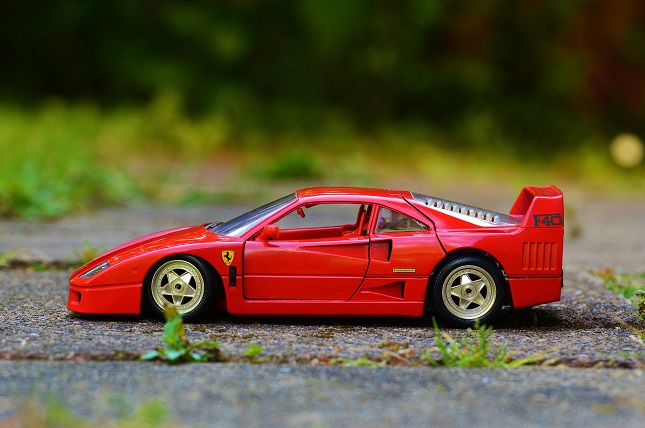
The F40 is admired not just for its speed but also for its historic legacy. Having been one of the last cars personally approved by Enzo Ferrari, the vehicle stands as a symbol of the golden years of Ferrari’s history. Out of the 1,311 models built, each has become an icon. Today, a car of this pedigree can cost millions, with some fetching over £3 million at auctions.
What Went Wrong During the Test Drive
During the test drive, the technician encountered a combination of challenges that led to the loss of control. Wet roads, the inherent design of an F40’s rear-wheel-drive system, and the absence of advanced electronic aids made conditions particularly difficult. The F40, which gained fame for its pure and unfiltered driving experience, does not have modern features such as stability control or traction management. This lack of modern conveniences meant that when the rain made the road slippery, the car’s behavior became unpredictable.
Several factors may have contributed to the incident:
- Heavy rain caused reduced road grip.
- The vintage design of the F40 meant that the tires, which are designed for dry conditions, struggled on wet asphalt.
- The car’s twin-turbocharged V8 engine can deliver power suddenly, leaving little room for error on slick roads.
Reports suggest that the rear wheels might have locked up after the car hit a curb, leading to an abrupt loss of control. The unexpected slide resulted in the vehicle colliding with a roadside barrier. Although the front of the car survived without major damage, the rear end sustained significant harm, including a bent bumper and some impact on the carbon fiber body.
Historic Legacy vs. Modern Demands
The Ferrari F40 represents a time when automotive engineering prioritized driver involvement above electronic intervention. Owners of these cars value the experience of controlling a machine that requires exact inputs and precise timing. However, when modern weather conditions, like heavy rain, meet the old design of the F40, the risks increase.
Collectors and racing enthusiasts now face a dilemma. On one hand, the F40 is an embodiment of Ferrari’s rich heritage. On the other, its design does not match current safety expectations. The incident in the UK serves as a reminder that classic supercars are not always suited for every condition. They require careful handling, particularly by experienced drivers and technicians who understand their limitations.
The Aftermath of the Crash
Though the crash was severe, early assessments suggested that the damage was confined mainly to the rear of the car. The technician managed to steer the F40 away from more hazardous obstacles, and while the car overturned near a lamppost, there were no reports of life-threatening injuries. The vehicle was subsequently recovered, and local authorities arrived promptly to secure the scene.
Repairing an F40 is not a simple task. The materials used in the car’s construction include Kevlar, carbon fiber, and aluminum. Restoring such a high-value sports car demands skilled hands, rare parts, and a deep understanding of its construction. In this particular case, replacing the damaged bumper and repairing the rear panel may restore the look of the car but do not guarantee that the original performance characteristics will be reinstated fully.
Collectors and industry experts have mixed reactions to the repair prospects. While some believe that every effort can be made to restore the car to its former glory, others point out that any repair on a vehicle of this age and significance may diminish its value and historical charm. Many can only hope that the car will once again serve not merely as an exhibit in a museum but as a testament to its engineering and design.
How These Incidents Affect the F40’s Value and Reputation
With only 1,311 models made during its production run, every Ferrari F40 is rare and highly valued. The attention surrounding such incidents tends to drive up collector interest. This increased interest might lead to higher prices at auctions, as buyers recognize the car’s legendary status and scarcity.
The F40 is not just a car; it is a piece of automotive history. Its design and performance have made it a favorite among car enthusiasts around the world. However, incidents like this remind us that handling a classic vehicle demands great skill and utmost respect for its engineering roots. Even seasoned professionals like technicians must adhere strictly to safe driving practices when behind the wheel of such a car.
Additionally, consumers seeking insights on responsibility in such scenarios might explore topics related to car mishaps. For example, a discussion on who is responsible in an accident during test drive offers valuable context on the duties of those involved and the liabilities that follow.
Reminders for Owners and Enthusiasts
Owning a Ferrari F40 comes with a great deal of pride and responsibility. It is a symbol of a bygone era characterized by raw performance and minimal electronic interference. Even when the driver or technician is highly skilled, nature can present challenges that the car was never designed to handle.
Key points for anyone working with or driving these classic supercars include:
- Understanding the vehicle’s limitations is crucial, particularly under adverse weather conditions.
- Regular checks and maintenance are essential to ensure that every component is in the best possible condition before a test drive.
The incident serves as a learning point for all collectors and mechanics alike. Balancing the thrill of driving a historic sports car with the necessary precautions can significantly reduce the chances of similar accidents in the future.
Conclusion
The fall of the Ferrari F40 under rainy conditions in the UK illustrates the challenges faced when handling a car built for a different era. The incident, while unfortunate, brings attention to the balance between preserving automotive history and ensuring safe, controlled driving environments. As discussions continue among enthusiasts and experts, this case stands as an important reminder of the caution required when driving such an irreplaceable piece of automotive heritage.