






























Table of Contents
- Introduction
- Current Landscape of Autonomous Rides
- Benefits of Autonomous Vehicles in Urban Settings
- Challenges and Considerations
- Future Outlook
- Conclusion
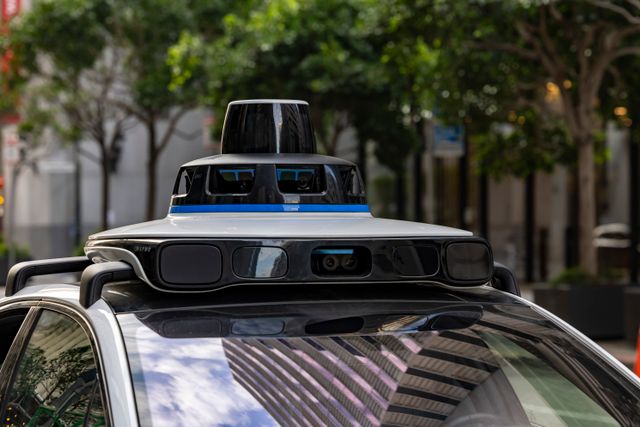
Every major advancement in transportation has transformed the way we live, work, and connect with cities. Today, the arrival of autonomous vehicles (AVs) signals another pivotal shift. As congestion, safety, and air quality remain top concerns in urban environments, AVs offer a compelling solution to reclaim city streets for efficiency and comfort. Companies like Zoox are already offering innovative options such as self driving taxi service in San Francisco, illustrating how rapidly this technology is transitioning from vision to reality.
Urban leaders and transit planners are exploring AVs to make travel safer and more equitable while reducing environmental impacts. This rapidly evolving landscape is capturing the attention of technological innovators, policymakers, and everyday commuters alike.
Major metropolitan areas across the globe are experimenting with autonomous solutions, hoping to ease daily challenges, from rush-hour traffic to first- and last-mile gaps. As these projects gain momentum, stakeholders are beginning to see the potential for dramatic improvements in quality of life and city design.
Advocates for accessible transportation emphasize that AVs could soon help bridge mobility gaps for people who have traditionally faced barriers, including the elderly and people with disabilities. By pushing the boundaries of what is possible, autonomous vehicles are also fueling new conversations about the future of cities and the role transportation plays in economic growth and inclusion.
Current Landscape of Autonomous Rides
Leading organizations are deploying autonomous vehicles in real-world environments, generating valuable data on usage patterns, safety outcomes, and operational challenges. Autonomous ride services are now operating in several major cities, integrating into daily transportation networks and reshaping urban commutes. In some regions, these services complement existing ride-hailing options, while in others they introduce entirely new models of shared mobility. The emergence of purpose-built autonomous vehicles further highlights the technology’s adaptability, as these systems are designed to accommodate varying urban layouts, transportation needs, and demographic profiles. These deployments reflect growing confidence among city officials and residents, as early findings suggest autonomous vehicles can help reduce certain types of collisions and ease traffic congestion.
As adoption of autonomous vehicles expands, transportation planners are closely monitoring how they influence travel behavior and infrastructure demand. Insights gathered from these deployments are expected to guide future regulations, safety standards, and urban design strategies. Continued testing and refinement will play an important role in ensuring autonomous transportation systems can scale effectively while meeting the needs of diverse communities.
Benefits of Autonomous Vehicles in Urban Settings
Enhanced Safety
Human error is a major contributor to road accidents in cities. AVs, equipped with advanced sensors, machine learning algorithms, and rapid decision-making capabilities, are designed to minimize these mistakes. By continuously monitoring their environment and coordinating with one another, AVs can help cities make substantial gains in road safety and overall traffic flow. As the National Highway Traffic Safety Administration notes, removing the human element from driving is key to reducing crashes and fatalities.
Increased Efficiency
AVs excel at route optimization and adapt to traffic conditions in real time. Networks of autonomous vehicles can coordinate to select the fastest paths and avoid congestion, potentially reducing travel times for everyone. This capacity to balance demand across city streets offers hope for smoother commutes, less time wasted in traffic, and more predictable arrival times for essential services. Cities may also gain opportunities to implement dynamic pricing or congestion charges using AV data, further optimizing public road use.
Improved Accessibility
For people who do not drive due to age, disability, or cost, autonomous rides promise newfound independence and access to jobs, healthcare, and community activities. This technology has the potential to extend the benefits of urban living to more residents, breaking down barriers and increasing social and economic participation.
Challenges and Considerations
Regulatory Hurdles
Before AVs can fully integrate into urban transit ecosystems, cities and states must craft clear, comprehensive policies. Establishing standards for safety, liability, data privacy, and operator responsibilities presents a complex web for regulators. Progress is being made, but laws and regulations often lag behind technology’s pace, slowing mass adoption in some regions.
Technological Limitations
Autonomous driving systems must reliably interpret diverse, crowded urban environments, handling everything from unpredictable pedestrian movements to variable weather conditions. While current sensor arrays and AI platforms are powerful, rare events and unusual road situations continue to expose areas for improvement. Technology companies are investing heavily in refining these solutions, but perfecting city-wide AV operation remains a significant challenge.
Public Acceptance
Despite successful pilot programs, gaining widespread public trust is another key milestone. Public perception is shaped by each incident and media report, making clear communication and transparency essential. Ongoing public testing and collaborative community engagement efforts are gradually building familiarity and confidence, laying the groundwork for adoption at scale.
Future Outlook
The urban transportation landscape is on the cusp of dramatic transformation. Continued evolution in artificial intelligence, sensor technology, and vehicle design will further accelerate the integration of AVs into daily city life. Supportive regulatory frameworks and public-private collaborations will also play crucial roles in scaling these benefits. City planners anticipate that AV technology could reduce the need for personal car ownership, free up valuable real estate now used for parking, and create safer, more vibrant public spaces. As adoption grows, cities may become cleaner, quieter, and more connected than ever before.
Conclusion
The expansion of autonomous rides in cities around the world marks a pivotal advance in urban mobility. Enhanced safety, greater efficiency, and improved accessibility promise to reshape city transportation infrastructures and the lives of millions. While complex challenges remain, including regulatory, technological, and public acceptance issues, ongoing innovations and successful deployments demonstrate the enormous potential of autonomous vehicles to transform how we navigate urban environments.