





























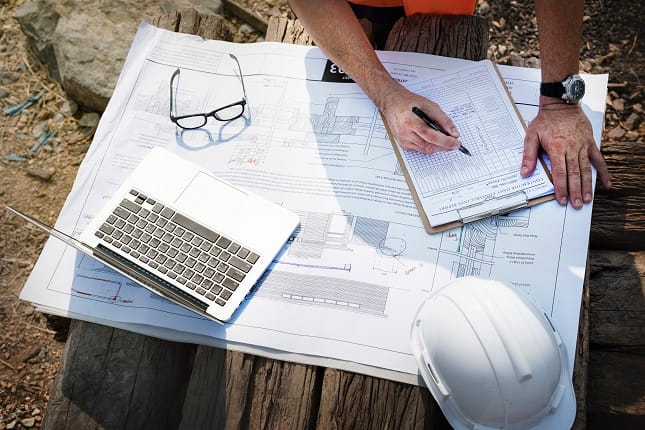
Getting planning permission in Essex is often the first step when building a house or converting a loft into an extra bedroom. It is a legal requirement, so you must ensure you apply for one before breaking ground for a new project to avoid getting in trouble with the law.
What makes getting planning permission in Essex a complicated process is that each local authority in Essex has its own policies, priorities, and interpretations. All these can influence the outcome of your application.
This guide breaks down everything you need to know about getting planning permission in Essex, including the steps, costs, and practical tips to improve your chances of approval.
The Application Process Step by Step
Securing planning permission in Essex involves several steps. Understanding each is crucial in making your application a success.
-
Pre-Application Research
This is the first step when preparing your planning permission application. Start by checking if your project requires permission and reviewing the local council’s planning policies. You can get pre-application advice from your local council or from a private expert.
-
Preparing Your Application
If your project requires planning permission Essex approval, start gathering the necessary documents, including detailed site plans, design drawings, and supporting statements. Accuracy and completeness at this stage are crucial.
Submitting wrong documents or design drawings with errors can lead to rejection, forcing you to redo the whole process.
-
Submission and Review
Once you have all the necessary documents ready, you can submit them by dropping them off at your local planning authority offices. You can also submit them online via the Planning Portal. A fee is involved during the submission process.
Review of your application will take anywhere from 8 to 12 weeks. You may receive approval, conditional approval, or refusal. If refused, you can revise your plans or appeal the decision.
Tips to Improve Approval Chances
Getting approval for your planning permission application in Essex can be challenging, especially for complex projects. To significantly increase your chances of approval, start by researching local planning policies. Each local authority has its specific set of rules, including design standards, conservation areas, and environmental considerations.
Second, consult an expert early. Discussing your project with a local expert before submitting your application can highlight potential issues. Moreover, you will be informed of what documents are needed to avoid further disappointment after submission.
Finally, bring a professional on board. Architects, planning consultants, or surveyors familiar with Essex regulations can help navigate complex requirements, such as drafting drawing designs. This will cost you, but it will increase the likelihood of a successful application.
Costs and Fees Involved in Planning Permission in Essex
The one fee you must pay is the application fee. However, you might incur extra expenses along the way depending on who you consult. Hiring a private planning expert or architect can be costly. However, this is money well spent, especially if you don’t have experience in drafting planning permissions.
A re-application also means you will pay the application fees again. Extra modifications to technical documents mean you will spend more money, which can make the process costlier and more time-consuming than hiring an expert in the first place.
Wrapping up
When submitting planning permission in Essex, we recommend consulting an expert. They will guide you on what’s required, reducing the chances of your application being rejected.