






























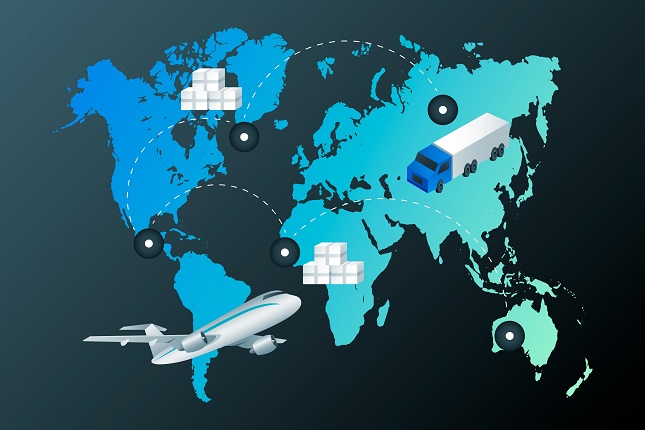
Cross-border logistics depends on precision at every stage. Shipments moving between the US and Canada must pass through tightly regulated systems where timing, accuracy, and documentation all play a critical role. Even small errors in paperwork can disrupt the customs clearance process and create delays that ripple through the supply chain.
In this environment, customs filing software has become an essential tool for businesses that want to maintain reliability and control. What was once a manual administrative task is now a structured, technology-driven process that supports faster and more predictable movement of goods.
Why Cross-Border Logistics Has Become More Complex
The modern freight environment is far more demanding than it was a decade ago. Regulatory expectations have increased, and authorities now require more detailed shipment information earlier in the process.
This shift directly affects the freight forwarding process, where coordination between shippers, carriers, and brokers must happen quickly and accurately. Any inconsistency in shipment data can slow down approvals and create unnecessary friction at the border.
At the same time, growing shipment volumes place additional pressure on logistics teams to maintain accuracy while working within tighter timeframes.
The Operational Pressure Behind Customs Clearance
The customs clearance process is often where small inefficiencies become visible. Many businesses still rely on manual entry or disconnected systems to manage documentation, which increases the risk of errors.
These issues are rarely isolated. A missing detail or incorrect entry can delay clearance and affect delivery schedules further downstream. For companies operating across multiple regions, these challenges become even more pronounced.
Without structured systems in place, managing documentation across the freight forwarding process can quickly become difficult to scale.
How Digital Tools Are Improving Logistics Efficiency
To address these challenges, businesses are increasingly adopting digital freight solutions that bring greater structure and visibility to cross-border operations.
One of the most important improvements comes from automation. Modern air freight software reduces manual data entry and helps standardise shipment information across teams. This improves consistency and reduces the likelihood of errors that can delay clearance.
At the same time, integrated systems allow different parts of the supply chain to work from shared, up-to-date information. This improves coordination and ensures that everyone involved in the freight forwarding process is aligned.
Customs filing software plays a central role here by helping businesses prepare and submit documentation in a more structured and compliant way. Instead of reacting to issues after submission, teams can identify and resolve potential problems earlier. In many cross-border workflows, working with an ACI manifest provider further supports consistency in data submission and helps streamline coordination between stakeholders.
Improving Visibility Across the Supply Chain
One of the most valuable outcomes of digital transformation in logistics is improved visibility. Businesses now expect real-time insight into both shipment progress and documentation status.
This visibility allows teams to respond more quickly when issues arise, rather than waiting for delays to surface at the border. It also supports better decision-making across the entire customs clearance process, particularly when managing high volumes or time-sensitive shipments.
Better visibility also strengthens collaboration between logistics partners, reducing miscommunication and improving overall efficiency across the supply chain.
A More Controlled Approach to Cross-Border Trade
Cross-border logistics is becoming increasingly dependent on accuracy, coordination, and timely information. As a result, customs filing software is no longer just a supporting tool. It is now a core part of how businesses manage the customs clearance process and maintain operational reliability.
With the support of digital freight solutions and air freight software, companies can reduce errors, improve efficiency, and gain better control over the freight forwarding process.
As trade continues to evolve, businesses that invest in structured digital systems will be better positioned to move goods smoothly, respond to regulatory demands, and maintain consistent performance across borders.