






























Kansas City is located on the border of two U.S. states, Missouri and Kansas. This city is called the “Heart of America.” Its history goes back to the 19th century, when it became an important hub for trade and migration due to its location near the Missouri River.
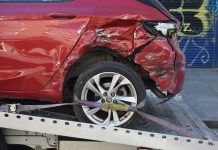
Today, the city is also a major crossroads, with some of the busiest highways in the Midwest. With so many cars on the road, situations where someone borrows a vehicle and gets into an accident are not uncommon. An auto crash law firm in Kansas City, MO, often deals with these exact kinds of cases.
In most cases, when a friend borrows your car and gets into an accident, the car owner is primarily liable, as their insurance is the first to cover the damages if the driver had permission to use the vehicle. However, the driver can also be held liable, especially if their negligence caused the accident or if the damages exceed the insurance coverage limits.
This article explains more details about this.
How Location Determines Liability
Auto liability law isn’t uniform across states. The differences matter more than most people expect.
No-fault states require each driver’s own insurer to cover their losses, regardless of who caused the crash. Fault-based states like Missouri, Texas, and Georgia hold the at-fault party’s insurer responsible for the other driver’s damage.
In those states, when a borrowed car caused an accident, liability traces back to the vehicle owner’s policy first. Many people don’t expect that. The friend was driving. The friend caused the crash. But your insurance can still be drawn into it.
If a dispute escalates, getting legal advice early helps avoid bigger problems later.
Understanding Permissive Use
When you allow someone to drive your car, insurance law calls it permissive use. In most cases, your insurance still applies. But the main complication here is implied permission.
If a neighbor has borrowed your car a dozen times over several months and you never objected. A court may find you implicitly permitted it. Insurers and plaintiff lawyers both know this argument well.
When a borrowed-vehicle claim is filed, the permission question is always the first thing investigated. How it gets answered shapes everything that follows.
Three Situations Where Your Car Can Leave You Unprotected
Most borrowed-car situations fall within standard policy coverage. These three don’t.
- Excluded Drivers
Some owners remove specific people from their policy to cut premiums. If that excluded person drives the car and causes a crash, the insurer can deny the claim completely. The owner is responsible.
- Unlicensed Borrowers
Knowingly lending your car to someone without a valid license is a reliable path to both coverage denial and personal liability. Courts treat this strictly, and insurers follow the same logic.
- Habitual Borrowers Not Listed on the Policy
Occasional borrowing is fine. Regular borrowing can lead insurers to classify that person as a regular driver who should be on the policy. If something goes wrong, the coverage becomes a big problem.
How Umbrella Policies Help
Standard liability limits get consumed quickly in serious accidents. Medical bills, property damage, and lost income all add up faster than most policy limits anticipate.
If total damage reaches $90,000 and your coverage caps at $50,000, the remaining $40,000 doesn’t disappear. The injured party can pursue it from you personally. Savings, property, and other assets aren’t automatically protected because someone else was driving.
Umbrella policies exist for exactly this scenario. They extend above standard limits and protect personal assets when a serious accident exceeds what a basic policy covers.
For anyone who regularly lends their vehicle, it’s worth a conversation with an insurer before an accident makes it urgent.
Few Things to Check Before You Lend Your Car
Lending your car is reasonable. It’s okay to lend your car; just do it carefully.
Know your liability limits. Know if anyone is excluded from your policy. If someone borrows your car regularly, ask your insurer whether they need to be listed. These checks take minutes and matter significantly if something goes wrong.
The law doesn’t punish generosity. It does hold car owners accountable for who they granted access to and under what conditions. That is the part worth understanding before the phone rings with bad news.
Key Takeaways
- In most states, the car owner’s insurance pays first when a borrowed car is involved in an accident.
- Permissive use extends your coverage to that person.
- Excluded drivers, unlicensed borrowers, and unregistered habitual users can void your insurance coverage entirely.
- If damages exceed your policy limits, you can be personally liable for the reminder.
- Fault-based states route liability back to the at-fault driver’s insurer.