































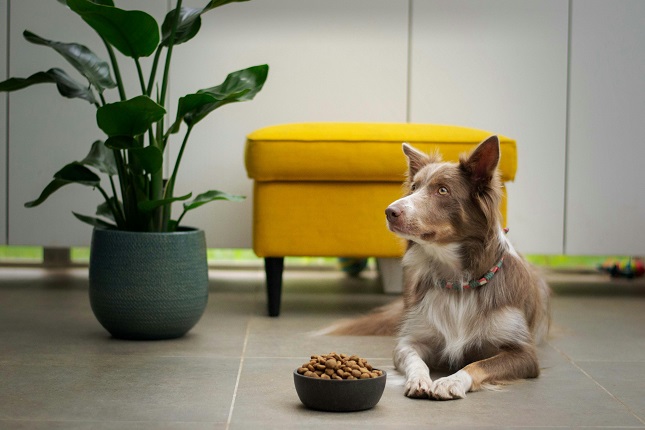
The pet care industry has quietly become one of the steadiest growth stories around, and the reason is not complicated: people treat their dogs like family. Plenty of business owners now bring a dog to the office, build a company around dogs, or come home to one after a long day of running the show. For most of them, one issue turns up more than almost any other, and it is not glamorous: digestive trouble.
Upset stomachs, loose stool, and the occasional middle-of-the-night accident are among the most common reasons dogs end up at the vet. The good news is that many mild cases improve within a day or two with supportive care. The catch is that some are an early warning sign, and telling the two apart is what saves you money, time, and a fair amount of stress. Here is a practical rundown of what digestive issues in dogs look like, what tends to cause them, and when a loose stool is worth a phone call.
What Counts as a Digestive Issue
A digestive issue is any disruption in how a dog breaks down food and passes waste. In practice, that covers a familiar list: vomiting, diarrhea or loose stool, constipation, excess gas, and changes in appetite. The Merck Veterinary Manual notes that a dog can develop these signs for all sorts of reasons, from a simple infection to eating something it should not have. In other words, the symptom you see is rarely the whole story.
Diarrhea is the one most people notice first, and it helps to know what it is. It is a symptom, not a diagnosis, defined by too much water in the stool. A healthy dog stool is firm, moist, and easy to pick up, in a medium to dark brown. Anything consistently softer, looser, or more frequent than that is your signal that something in the system is off.
Common Signs to Watch For
Because dogs cannot describe how they feel, digestive trouble shows up in their habits and their output. A few things worth keeping an eye on:
- Loose, watery, or unusually frequent stool, or a sudden urge to go
- Vomiting or regurgitation, especially more than once
- Straining, mucus, or blood in the stool
- A gurgly stomach, bloating, or noticeably more gas
- Reduced appetite or turning away from food
- Low energy, hiding, or a hunched, uncomfortable posture
- A change in stool color or consistency that sticks around
One-off events are usually nothing to panic over. A pattern that lasts, or any of these paired with a dog that seems truly unwell, is a different matter. Catching a pattern early also spares you the version of this that no one schedules: a surprise vet visit, or a work-from-home morning lost to cleanup.
What Usually Causes It
Most digestive upset traces back to something ordinary. Sudden diet changes are a classic trigger, which is why food should be switched gradually over a week or so rather than all at once. Dietary indiscretion, the polite term for raiding the trash or wolfing down something off the sidewalk, is another common one. Add stress from a move, boarding, or a shift in routine, along with food intolerances and plain old overeating, and you have covered a large share of everyday cases. The American Kennel Club makes the same point, noting that the best way to head off a bout of loose stool is to be careful about what a dog eats.
The less common causes are the ones worth respecting: infections and parasites, including bacteria, viruses, protozoa such as Giardia, and intestinal worms, as well as reactions to medications like antibiotics and chronic conditions such as inflammatory bowel disease, colitis, or pancreatitis. Because so many different things can produce the same loose stool, digestive issues in dogs are best treated as a signal to investigate rather than a single problem with a single fix.
What You Can Do at Home
For a healthy adult dog with mild symptoms and no other red flags, home care is usually straightforward. Start by making sure fresh water is always available, since hydration is the real risk with any loose stool. Many vets suggest a short rest for the gut followed by a bland diet, such as plain boiled chicken and white rice or a little plain canned pumpkin, served in small amounts before easing back to regular food over a few days.
A few habits cut down on repeat episodes, and the good news for a packed calendar is that they are low-effort and easy to keep up. Transition foods slowly, over seven to ten days, whenever you switch brands or recipes. Keep an eye on what your dog picks up outdoors. And consider a probiotic, which may help support a balanced gut and may be especially helpful after a diet change, a stressful stretch, or a course of antibiotics. Give any new supplement a little time, since the gut can take a few days to adjust. And avoid reaching for human anti-diarrheal medications unless your veterinarian recommends them, since some can be unsafe for dogs. Similarly, if your dog experiences discomfort from another health condition, it’s important to discuss safe pain relief methods for dogs with your veterinarian before giving any medication.
When to Call the Vet
Home care has limits, and some situations call for a professional promptly. Get in touch with your vet if diarrhea or vomiting lasts more than a day or two, if you see blood (bright red, or dark and tarry), or if your dog is vomiting repeatedly, clearly in pain, bloated, or unusually lethargic. Watch for signs of dehydration, such as tacky gums, sunken eyes, or skin that is slow to spring back. Take extra caution with puppies, senior dogs, and dogs with existing health conditions, who have less margin for error. And treat a sudden onset of profuse, bloody diarrhea as an emergency, since it can escalate quickly. When you do call, details help: how long it has been going on, what the stool looks like, anything your dog might have eaten, and a photo or short video if you have one.
A dog with a settled stomach is easier to live with, easier to plan around, and happier day to day. Most digestive issues in dogs are short-lived and manageable at home, and the ones that are not tend to announce themselves clearly if you know the warning signs. A steady routine, a little attention to what goes in, and a good working relationship with your vet go a long way toward keeping the whole operation running smoothly.