

























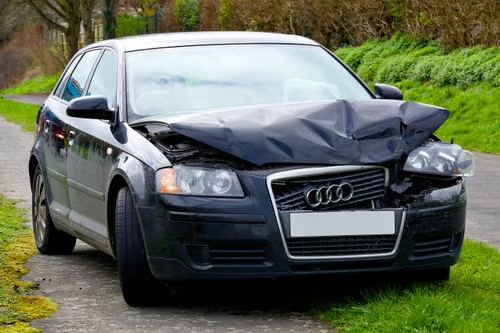
Insurance fraud after a car accident can take many forms, including staged crashes, exaggerated injuries, false witness statements, and fraudulent repair claims. Recognizing the warning signs can help protect your rights, prevent unnecessary financial losses, and support a fair claims process. Acting quickly and documenting the accident carefully are some of the best ways to respond if you suspect fraud.
Most insurance claims are legitimate, but fraudulent claims continue to cost insurers, policyholders, and accident victims millions of dollars each year. Fraud can delay claim processing, increase insurance premiums, and create unnecessary legal disputes. Knowing what to look for can help you avoid becoming the victim of a dishonest scheme.
If you believe someone is attempting to dispute a false insurance claim, gathering evidence and notifying your insurance company as soon as possible is essential. The more documentation you have, the easier it may be to challenge inaccurate or misleading information.
Staged Car Accidents
One of the most common forms of insurance fraud involves intentionally causing an accident.
Fraudsters may suddenly slam on their brakes, wave another driver into traffic before intentionally causing a collision, or coordinate crashes involving multiple vehicles. These staged accidents are designed to make an innocent driver appear responsible.
Remaining alert and maintaining a safe following distance can help reduce the risk of these situations.
Exaggerated or False Injury Claims
Not every reported injury accurately reflects what occurred. Some individuals may exaggerate legitimate injuries or claim medical conditions that were unrelated to the accident. Others may continue unnecessary treatment solely to increase the value of a claim.
Medical records, independent evaluations, and accident evidence often play an important role in verifying injury claims.
Suspicious Witnesses
Witness statements can be valuable, but they should also be carefully evaluated.
Warning signs include:
- Witnesses who appear unexpectedly.
- Individuals who know the other driver.
- Conflicting descriptions of the accident.
- Statements that do not match physical evidence.
Independent witnesses who have no connection to either driver generally provide the most reliable accounts.
Inflated Vehicle Repair Estimates
Fraud sometimes involves vehicle repairs as well.
Examples include:
- Billing for repairs that were never completed.
- Charging for unrelated pre-existing damage.
- Using unnecessary replacement parts.
- Inflating labor costs.
Obtaining multiple repair estimates can help identify unusually high charges.
Inconsistent Accident Details
False insurance claims often contain inconsistencies.
Differences between police reports, photographs, medical records, witness statements, and vehicle damage may indicate that important facts have been misrepresented.
Carefully documenting the accident scene with photographs and videos immediately after the collision can help preserve accurate evidence.
Keep Detailed Records
Good documentation is one of the strongest defenses against insurance fraud.
Important records include:
- Police reports
- Photos of vehicle damage
- Medical records
- Repair estimates
- Witness contact information
- Insurance correspondence
Keeping organized records makes it easier to respond if questions arise later during the claims process.
Fraud Can Have Legal Consequences
Insurance fraud is a serious offense. For example, California Insurance Code § 1871.4 makes it unlawful to knowingly make or present false or fraudulent statements or claims in connection with insurance benefits in certain circumstances. Similar fraud laws exist in many states and may result in criminal penalties, civil liability, or both.
Honest reporting benefits everyone involved in the insurance process.
Seek Legal Guidance if Necessary
If you believe someone has filed a fraudulent insurance claim against you or your claim is being unfairly challenged, speaking with an experienced attorney may be beneficial.
Legal guidance can help you understand your rights, preserve evidence, communicate with insurance companies, and respond appropriately if fraud is suspected.
Taking prompt action often helps protect your interests.
Key Takeaways
- Insurance fraud may involve staged accidents, false injuries, inflated repair bills, or dishonest witness statements.
- Document the accident thoroughly with photographs, witness information, and police reports.
- Watch for inconsistencies between evidence and reported facts.
- Keep detailed records throughout the insurance claims process.
- California Insurance Code § 1871.4 addresses fraudulent insurance claims in certain situations.
- Report suspected fraud to your insurance company as soon as possible.
- Legal guidance may help protect your rights if a false insurance claim is made against you.