





























Most companies talk about culture in mission statements and onboarding slides. Employees, though, experience culture in moments. They feel it when leadership shows up, when coworkers from different departments finally put faces to names, and when the company takes time to celebrate a win together. Corporate events create a lot of those moments, and that is why they deserve more attention than a line item in the annual budget.
A well-planned event gives people a shared experience they carry back to work. A poorly run one does the opposite. Below, we look at why corporate events matter so much to employees, how they shape culture, and why the way you manage them makes all the difference.
Corporate Events Give Employees a Reason to Connect
Daily work keeps people focused on their own tasks and their own teams. A designer may spend months working on projects with someone in sales without ever having a real conversation with them. Remote and hybrid schedules widen that gap even further.
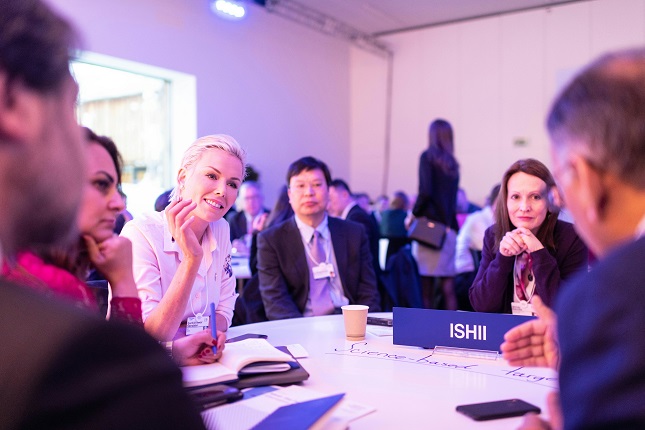
Events change the setting. When people step away from their desks and into a shared space, they talk differently. They ask about families, hobbies, and weekend plans. They laugh at the same jokes and remember the same moments afterward.
Those small connections add up. Employees who know their coworkers on a personal level tend to:
- Ask for help sooner instead of struggling alone
- Collaborate more easily across departments
- Give each other the benefit of the doubt during stressful projects
- Feel less isolated, especially when they work remotely most of the week
None of this happens because of a single event. Still, a good event plants the seed for relationships that grow long after the venue clears out.
Events Show Employees That Leadership Values Them
Employees notice where a company spends its time and money. When leadership invests in bringing everyone together, it sends a clear message: the people here matter.
That message carries more weight when the event feels thoughtful. A company that recognizes top performers on stage, shares real updates about where the business is headed, and gives employees a chance to ask questions builds trust. People leave feeling like insiders rather than spectators.
Recognition plays a big role here. Many employees go months without hearing specific praise for their work. An awards segment or team shoutout at a company event gives that recognition a public stage, and it often means more to people than a quick note in an email thread.
Shared Experiences Become Part of Your Culture
Every company has stories that get retold. The year the sales kickoff ran into a snowstorm, the holiday party where the CEO joined the band, the offsite where a team came up with the idea for a flagship product. These stories become part of how employees describe the place they work.
Corporate events create many of those stories. They give culture something concrete to point to. When a new hire hears a coworker say, “You should have been at last year’s summit,” they get a sense of what the company values and how people treat each other.
Culture built on shared experiences feels more authentic than culture built on posters and slogans. Employees believe what they see and feel firsthand.
Events Support Retention and Engagement
Replacing employees costs time, money, and momentum. Companies that want people to stay need to give them reasons beyond a paycheck. A sense of belonging is one of the strongest reasons people choose to stick around.
Corporate events help build that sense of belonging in a few practical ways:
- They help new employees feel welcome and meet people outside their immediate team.
- They give long-tenured employees a chance to reconnect with the bigger mission.
- They create space for leadership to listen, not just talk.
- They reward hard work in a way people remember.
Engaged employees often bring more energy to their roles, share ideas more freely, and speak well of the company to friends and potential hires. Events alone will not fix a struggling workplace, but they reinforce the things a healthy workplace already does well.
The Types of Events That Build Culture
Not every corporate event serves the same purpose. The format you choose should match what you want people to take away. Common examples include:
- Company kickoffs and all-hands meetings that align everyone around goals for the year
- Holiday parties and celebrations that let people relax and enjoy each other’s company
- Awards and recognition events that highlight individual and team achievements
- Conferences and summits that combine learning, networking, and leadership messaging
- Team offsites and retreats that give smaller groups time to plan and bond
Each one can strengthen culture when it is designed with employees in mind. The key is knowing what you want people to feel when they walk out the door.
Why Event Management Makes or Breaks the Experience
Here is the part many companies underestimate. A corporate event only builds culture if it runs well. When things go wrong, employees remember that too.
Picture a keynote where the microphone cuts out every few minutes, slides that fail to load, or a video that plays without sound. Imagine remote employees trying to join a livestream that keeps freezing. These problems pull attention away from the message and leave people frustrated instead of inspired.
Poor management can send the wrong signal. Employees may wonder why the company bothered if nobody seemed to care about the details. On the other hand, a smooth, professional event tells people that leadership took the time to get it right for them.
Strong event management covers areas like:
- Clear planning around goals, audience, and agenda
- Reliable audio, video, and lighting so every speaker comes through clearly
- Stage design that fits the tone of the event
- Hybrid and livestream setups that include remote employees fully
- On-site technical support that solves problems before guests notice them
Internal teams often try to handle all of this on top of their regular jobs. That approach can work for small gatherings, but larger events usually need specialists. According to Kaleidoscope Productions, a Colorado event production company that supports everything from business conferences to intimate corporate gatherings, the right audio, lighting, video, and staging change how an event looks and sounds to every person in the room. Bringing in a professional production team lets your staff focus on the content and the people while experts handle the technical side.
Making Your Next Event Count
Before planning your next company event, ask a few simple questions. What do you want employees to feel? What should they remember a month from now? Who needs to be in the room, and who needs to join from somewhere else?
Once you know the answers, build the event around them. Keep the agenda focused, give people time to connect, and make sure the production quality matches the importance of the message. Then follow up afterward by sharing highlights, thanking the people who made it happen, and asking attendees what they would like to see next time.
Corporate events are more than a break from the routine. They are one of the most visible ways a company can show employees what it stands for. When you plan them with care and manage them well, they strengthen relationships, reinforce your values, and give your culture the kind of stories people talk about for years.