





























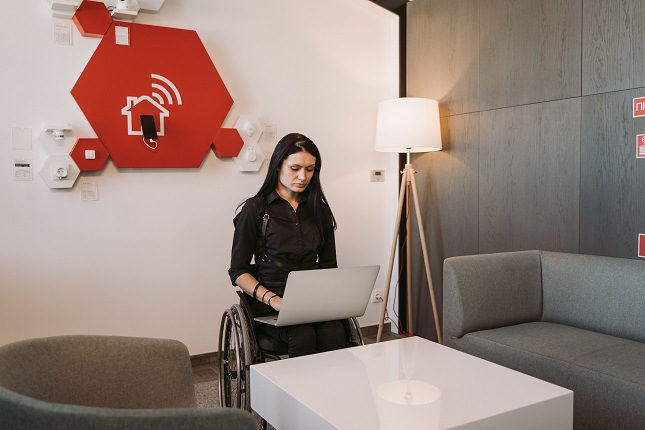
Running a small business comes with a long list of responsibilities, and accessibility is often pushed to the bottom of that list until a problem forces the issue. The Americans with Disabilities Act sets clear expectations for how workplaces should accommodate employees and customers with disabilities, and ignoring those expectations can lead to costly complaints, lawsuits, or lost talent. For business owners who want to get ahead of the issue rather than react to it, resources like vela-chairs.com offer practical insight into how seating and mobility solutions can be part of a broader accessibility strategy.
ADA compliance is not only about wheelchair ramps and wide doorways, although those remain important. It also covers workstations, break rooms, restrooms, and any shared space where an employee or customer might need extra support to move safely and comfortably. Small businesses often assume that full compliance is reserved for larger companies with dedicated facilities teams, but the reality is that many accessibility improvements are affordable and can be implemented gradually.
A good starting point is an honest audit of the physical space. Walk through the building as if you were a wheelchair user, someone with limited grip strength, or an employee managing chronic pain. Note where furniture blocks a clear path, where counters are too high, or where a task chair simply cannot support someone who struggles to stand repeatedly throughout a shift.
Accessibility also affects hiring and retention. Employees with mobility limitations are more likely to stay with an employer who has thought through their daily comfort and safety. That loyalty translates into lower turnover costs and a stronger reputation in the local labor market. Customers notice too, particularly in retail, hospitality, and healthcare settings where accessible seating and clear pathways signal that a business genuinely welcomes everyone who walks or rolls through the door.
Small, deliberate changes often matter more than a single large investment, and building a plan around them tends to produce steadier, more sustainable results over time.
Practical Steps Toward a More Accessible Workplace
Once a business owner has identified the gaps in accessibility, the next step is prioritizing changes that make the biggest difference for the least disruption. Seating is one of the most overlooked areas. Many workplaces still rely on standard office or kitchen chairs that offer no height adjustment, no support for standing transitions, and no stability for employees with balance concerns.
This is where specialized seating brands have carved out a meaningful role. VELA, a Danish manufacturer with more than five decades of experience in mobility seating, designs chairs specifically for people who need extra support moving between sitting and standing throughout the day. What stands out about the brand is not just the adjustable height or the locking wheels, but the fact that its chairs are used across hundreds of senior care communities in the United States as a daily living solution, which speaks to a level of trust built through consistent, practical performance rather than marketing claims.
For a small business, that kind of proven reliability matters. A break room chair or a workstation seat that helps an employee reach shelves safely, sit down without strain, or move short distances without assistance can prevent minor discomfort from turning into a long-term injury or absence. It also reduces the burden on coworkers who might otherwise feel responsible for helping a colleague with physical limitations.
Beyond seating, small businesses should look at signage, lighting, and the layout of shared spaces. Clear, high-contrast signage helps employees and customers with visual impairments navigate confidently. Adequate lighting reduces fall risk for anyone with balance or vision concerns. Rearranging furniture to create wider, unobstructed paths costs nothing but attention and a willingness to prioritize function over habit.
None of these changes need to happen overnight. A phased approach, starting with the areas used most frequently by staff and customers, allows a business to spread costs while still making visible progress. Documenting each improvement also helps demonstrate a good-faith effort toward compliance if questions ever arise from regulators or employees.
Building Long-Term Accessibility Into Business Culture
Accessibility should not be treated as a one-time project that ends once the audit is complete. The most successful small businesses treat it as an ongoing part of how they operate, revisiting their spaces and policies as the team grows or as employee needs change. A workplace that was accessible for five people may need adjustments once it doubles in size or takes on new types of work.
Training plays a central role in sustaining these efforts. Managers and staff should understand not only the legal requirements of the ADA but also the practical reasoning behind them. When employees understand why a wider aisle or an adjustable chair matters, they are more likely to respect and maintain those accommodations rather than treating them as obstacles.
Feedback channels are equally important. Employees and customers with disabilities are often the best source of information about what is working and what still needs improvement. A simple, low-pressure way to submit suggestions, whether through a suggestion box, a quick conversation with a manager, or an anonymous form, can surface issues that leadership might never notice on their own.
Budgeting for accessibility should be built into regular planning cycles rather than treated as an emergency expense. Setting aside a modest amount each quarter for furniture upgrades, signage improvements, or minor renovations spreads the financial impact and signals that accessibility is a permanent priority rather than a reaction to a complaint.
It also helps to look outward. Local disability advocacy groups, chambers of commerce, and small business associations often provide free or low-cost guidance on ADA compliance tailored to a specific region or industry. These organizations can help identify blind spots that an internal audit might miss, particularly around less obvious areas like emergency evacuation procedures or digital accessibility for a business website.
Ultimately, workplace accessibility is not just a legal checkbox. It shapes how welcome employees and customers feel, how safely they can move through a space, and how confident they are that a business has genuinely considered their needs. Small, consistent investment in that goal tends to pay off in loyalty, reputation, and a workplace that functions well for everyone who spends time there.