






























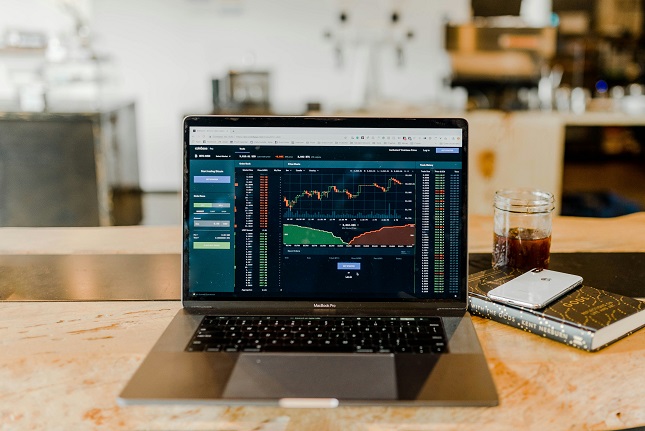
Automation has become an essential part of modern trading, helping traders execute strategies with greater speed, accuracy, and consistency. In the synthetic indices world, automated solutions are a great way to keep your orders positioned and monitor market conditions 24 hours a day. However, not every synthetic indices robot delivers the same results. Some are fairly conservative, some are more aggressive, and some are made just for risk management. It’s important that you find the solution that works best for you.
Here are five important criteria to consider before choosing an automated trading solution.
Understand the Robot’s Trading Strategy
Before buying a synthetic indices robot, spend some time understanding how it identifies opportunities. All robots follow a program, whether trading a trend-following strategy, breakout trading, scalping, or price reversals. The best choice depends on your individual trading objectives and preferred level of risk. Rather than being won over by the bold profits, look at how the robot performs in various market conditions. A strategy that has been proven across multiple tests is usually more reliable than one that performs well only under the best conditions. Understanding the trading logic also helps you decide if the robot will be a good fit for your overall trading strategy.
Prioritize Performance and Risk Management
High returns are enticing, but you should not sacrifice risk control by pursuing them at the expense of safety. Given that there are plenty of options available, including stop-loss and take-profit orders, adjustable lot size, and maximum drawdown, a dependable synthetic indices expert adviser that offers synthetic indices should have these features, which protect your trading capital during times of high volatility. It is also smart to be able to see proven trading results with realistic backtesting reports, rather than just promotional screenshots. A robot that yields steady results with bounded risk might be a better investment in the long run, as opposed to one that offers unrealistically high returns with high risk.
Choose Software with Reliable Support
A trading robot should be easy to install, configure, and maintain. To be successful, a trader must be able to quickly set up his trading robot. Therefore, before purchasing this software, you must be sure it is compatible with your trading platform and that you are provided with clear installation procedures. You also must be sure that the company offers updates and well-trained support staff to help you in case of market or platform changes. Educational sites such as Syntxwiki provide traders with an authentic testimony about automated trading, which enables merchants to compare different alternatives and know how trading robots perform and work. In addition, good educational sites and solid technical support help traders to automate their trading and avoid unnecessary hardship.
Look for Flexibility and Customization
Every trader has financial objectives that differ from others, so flexibility is very important when choosing a robot for synthetic indices. A good-quality robot should let you change some variables like the lots, risk percentage, trading sessions, and the number of simultaneous trades. This customization enables beginners to trade conservatively while giving experienced traders more control over their strategies. Likewise, a well-designed synthetic indices expert adviser must give flexibility to its users, through a simple interface without the need for programming knowledge to adjust these variables. Therefore, a robot that adapts to your requirements will let you modify your strategy, depending on your experience and market situation.
Consider Long-Term Value Instead of Price
Price alone does not determine the best choice of trading software. Low-cost robots tend to have few updates, no solid support community, or predictable performance. Rather than making a quick joke on the price, try to look into the reputation of the programmer, updates, documentation, and user reviews. A reputable synthetic indices robot should be considered more as an investment for long-term consistency instead of those few instant gains. A bit more money spent on reliable robots gives more bang for your buck in the form of better performance, service, and support.
Conclusion
When selecting a synthetic indices robot, you need to do more than just compare their profits. To make a well-informed decision, you need to understand the robot’s strategy, risk management, customer support, flexibility of software, and long-term value proposition. Automated trading is most successful when used in conjunction with realistic expectations, continual learning, risk management, and discipline. Carefully consider each of the five factors above to help increase your chances of successful trading.