






























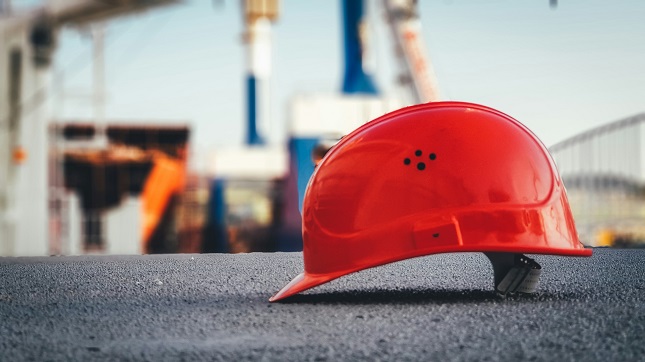
Construction had more workplace deaths in 2024 than any other private industry sector. The Bureau of Labor Statistics reports that 1,034 workers died on the job. Falls, slips, and trips were the leading cause of those deaths, responsible for 389 of them. Nearly 96 percent were falls to a lower level, not falls on the same surface.
What are common construction site hazards? There are a number of hazards at building sites that workers are at risk of. These dangers range from falling to getting struck by equipment. Electrocution, machinery failure, and even common traffic-related accidents are other examples of hazards at a construction site. Construction is persistently one of the riskiest fields with the highest numbers of work-related deaths in the United States, and this information is supported by injury data.
Let’s examine what the latest injury data reveals about construction site hazards and the types of accidents that put workers at the greatest risk.
The Four Categories
Falling to a lower level is the leading cause of death on construction sites by a wide margin. A struck-by incident usually comes second, typically involving a vehicle or a falling load. The number of electrocution-related fatalities falls within the range of mid- to high single digits. Caught-in-between incidents are the least common, including trench collapse and machinery entanglement.
Those proportions matter more than they look. A site that treats all risks as equally probable may allocate its attention and resources inefficiently.
Six Feet Is the Line
Here is the number that surprises people. OSHA’s construction fall protection standard is triggered at six feet above a lower level.
That threshold puts a worker on a ladder, at a loading dock edge, or on the deck of an unfinished second floor squarely inside the zone where protection is legally required. Scaffolding carries its trigger at ten feet and steel erection at fifteen feet. These various height requirements are part of why crews misremember the general rule as being higher than it is.
Most people picture a fall fatality happening off a roof edge, high above the ground. But the data shows that many fatal falls happen from ladders and other unremarkable heights. That gap between the mental picture and the actual pattern is precisely what the National Campaign to Prevent Falls in Construction was built to close. It’s run jointly by NIOSH, OSHA, and CPWR, rather than by any single agency.
Struck-By and Caught-In Mostly Happen at Ground Level
Objects falling from a scaffold or upper level on top of workers below can cause severe injuries. Cranes and excavators operating within the same perimeter as pedestrians can lead to preventable accidents. Vehicles moving backwards without the aid of a spotter are likely to collide with a person or property. Trenches dug without adequate shoring or a trench box can expose workers to cave-ins. Machinery operating while a person’s arms are inside it can result in serious injuries.
The connecting factor between these hazards is that each one is regulated through a procedural control, which explains why their continuing existence means management. A trench cave-in is not brought about by adverse weather but is the result of digging without any protection on a day when the soil was determined to be safe.
The Hazards That Do Not Announce Themselves
Electrical contact and toxic exposure both break the pattern of the other hazards. In these types of cases, the danger is not visible while it is happening.
Overhead lines, damaged extension cords, and ungrounded tools kill people who did not perceive a hazard at all. Silica dust and asbestos are worse in a different direction since the injury arrives years after the exposure that caused it. A worker who cut concrete without wet methods or respiratory protection in 2020 may not learn anything went wrong until a chest scan in 2035.
Why an Injured Worker’s Claim Usually Starts Somewhere Else
In nearly every state, workers’ compensation is the exclusive remedy against an employer for a workplace injury. This claim does not require showing negligence. Benefits are awarded regardless of fault in exchange for waiving the right to file a suit against the employer. Exceptions apply when it is proven that there was intent to harm the worker.
Handling a workers’ compensation claim can be overwhelming. To address this problem, one is advised to consult a lawyer with a focus on these types of cases. One of the common issues when processing workers’ compensation claims is during negotiations with insurance companies. As a former insurance defense lawyer, Palm Desert construction accident lawyer Juan Manuel Armenta is well-versed with the strategies used by insurance companies to minimize claims. His assistance and their law firm can help clients build strong workers’ compensation claims that insurance companies cannot ignore.
Tort recovery, where it exists, runs against somebody who is not the employer. This recovery often goes against third parties such as a general contractor, a property owner, or an equipment manufacturer. These claims sit alongside the comp claim rather than replacing it, and the two run on separate tracks with separate deadlines.
An OSHA citation, for what it is worth, does not by itself establish civil liability, but the underlying facts an inspection develops often matter a great deal to both proceedings.
Construction injuries are not random. Falls, being struck by objects, electrocution, and being caught in between make up most of the workplace construction deaths. The fall protection line sits lower than most crews assume. The ground-level hazards each trace back to a control that was skipped. The exposure risks stay invisible until they aren’t. None of that is unknowable in advance. It’s written into the pattern before a single incident happens.