





























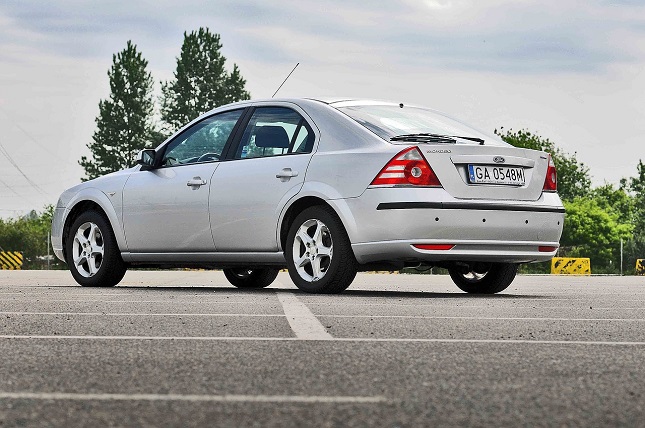
Choosing the right car is one of the most significant purchases you’ll make. With an extensive range of options on the market, finding a vehicle that suits your lifestyle, budget, and driving preferences requires careful consideration. This guide covers the essential factors to help you make an informed choice, from defining your car’s purpose to evaluating performance, safety, and financing.
Define Your Purpose
The first step in choosing a car is understanding what you need from it. Consider how you plan to use the car and where you’ll drive it most often. If your primary use involves commuting or city driving, a fuel-efficient compact car may be ideal, offering easy maneuverability and lower fuel costs. For families or those who frequently travel with passengers, a spacious SUV or minivan might be a more practical choice. When you’re ready to visit a dealership, a Kia dealer might have versatile options that cater to different needs, whether you’re looking for a compact sedan or a larger SUV. Identifying your primary use helps you focus on features that align with your daily requirements and lifestyle.
Consider Fuel Efficiency
With rising fuel prices, cars with high miles-per-gallon ratings can lead to significant savings over time, especially if you drive long distances or regularly commute. Electric and hybrid vehicles are also gaining popularity due to their low fuel costs and reduced environmental impact. However, it’s worth considering factors like charging infrastructure and battery range if you’re opting for an electric vehicle. Some drivers find that hybrid vehicles offer a middle ground, combining traditional fuel with electric efficiency, making them suitable for both city and highway driving.
Look Into Safety Features
Safety is one of the most important considerations for any car buyer, especially for families and frequent travelers. Today’s vehicles are equipped with a range of standard and advanced safety features designed to prevent accidents and protect occupants in the event of a collision. Look for essentials like anti-lock braking systems, airbags, and stability control, as well as advanced driver-assistance systems (ADAS), which include lane-keeping assist, adaptive cruise control, blind-spot monitoring, and automatic emergency braking. These systems can significantly reduce the risk of accidents by enhancing driver awareness and reaction times. Be sure to check the car’s safety ratings, typically provided by agencies like the National Highway Traffic Safety Administration (NHTSA) or the Insurance Institute for Highway Safety (IIHS), which perform rigorous crash tests and rate the effectiveness of safety features.
Assess the Car’s Size and Space
The size and interior space of your vehicle should align with your practical needs and driving environment. Compact cars are easy to maneuver and park, especially in congested urban areas, while larger SUVs and trucks offer more space for passengers and cargo, making them ideal for families, outdoor enthusiasts, or those who frequently take road trips. It’s also worth considering flexibility—many vehicles offer foldable seats, roomy trunks, or multi-use interiors that allow you to expand storage space or create a comfortable passenger area when needed. If you often transport bulky items or equipment, models with flat-loading cargo areas or adjustable seating can provide a significant advantage.
Compare Performance and Handling
Different vehicles are engineered for different performance levels. Sedans, for example, are often designed to provide a balance between comfort and agility, with a focus on smooth handling. Sports cars typically offer a more powerful engine and responsive steering, while SUVs and trucks are designed for stability and durability on a variety of terrains. When you’re test-driving, pay close attention to acceleration, braking, and steering response. Also, consider factors like road noise, suspension quality, and seating comfort. Performance may also affect your confidence on the road, especially if you frequently encounter adverse weather or winding roads.
Think About Maintenance and Reliability
Maintenance costs and reliability ratings are key factors in determining a car’s long-term value. Some cars, particularly luxury and performance models, may require more frequent or specialized maintenance, which can drive up ownership costs. Researching the maintenance needs of different makes and models can help you anticipate expenses and plan for regular service. Reliability ratings from sources like Consumer Reports or J.D. Power provide insight into which cars have fewer mechanical issues, helping you avoid models with high repair frequencies. Look for manufacturer warranties that cover specific components, as these can add peace of mind and reduce out-of-pocket repair costs in the early years of ownership.
Plan Your Budget and Financing Options
Setting a realistic budget is one of the foundational steps in the car-buying process. Before visiting any dealership, determine your overall price range, factoring in down payments, monthly loan payments, and additional costs such as insurance, registration, maintenance, and fuel. Financing options can vary significantly depending on your credit history and loan terms, so it’s wise to shop around. Banks, credit unions, and dealership financing programs often offer competitive loan options, and some may offer incentives or special rates. Leasing is another option if you prefer lower monthly payments and plan to trade in for a new model every few years. However, if you plan to keep the car long-term, buying is generally more cost-effective, as you’ll eventually own the vehicle outright.
Prioritize Resale Value
Resale value is an often overlooked aspect but can impact your finances when you decide to sell or trade in the car. Certain brands and models are known to hold their value better over time, making them a more advantageous purchase if you plan to resell. Factors influencing resale value include brand reputation, model popularity, and maintenance history. Check resources like Kelley Blue Book or Edmunds to research which models have strong resale value and compare depreciation rates. Opting for a car with good resale potential means that when it’s time to upgrade, you’re likely to recover a larger portion of your initial investment, making it a financially sound decision.
Selecting the right car involves balancing various factors, from practical considerations like size, safety, and fuel efficiency to performance, budget, and future resale value. By understanding what you need from a vehicle, prioritizing the features that matter most to your lifestyle, and exploring different financing options, you can make an informed decision that meets your needs. Take your time to research models, visit dealerships, and go on test drives to ensure the car aligns with both your daily requirements and your long-term goals. A thoughtful approach will help you find a car that’s truly the right fit for you, offering satisfaction and reliability for years to come.