






























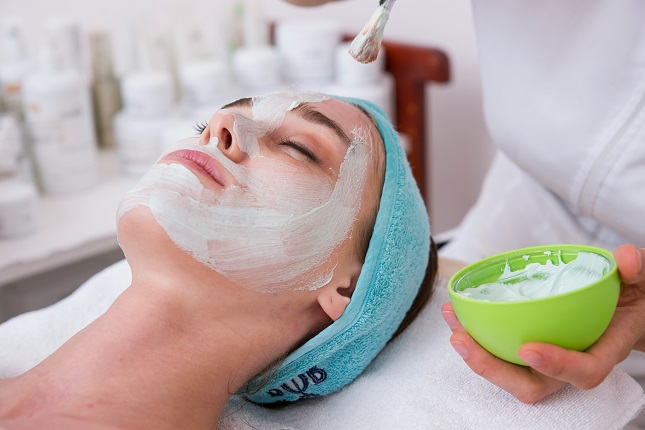
A MedSpa visit can help you improve the way your skin looks and feels when you want results that go beyond basic at-home products. Many people come in because they feel like their skincare routine has hit a ceiling, or they want a plan that targets specific concerns with treatments that are backed by professional assessment and consistent follow-up. If you’re exploring options and want to see what a clinic offers, https://facecardmedspa.com/ is a helpful place to start. Facecard Medspa focuses on facial rejuvenation with treatments that are designed to look natural and fit your real-life schedule, not a “one-size-fits-all” template.
In general, MedSpa care is used for texture, tone, firmness, and signs of aging that build up over time. Some treatments are geared toward smoothing lines, others support collagen remodeling, and some restore balance in areas where volume has changed. The goal for most people is not a dramatic change. It’s looking more refreshed, more rested, and more confident in photos and in everyday life.
A good MedSpa experience should also feel transparent. You should understand what a treatment can realistically do, how many sessions it may take, what downtime is involved, and what kind of maintenance keeps results looking consistent. When the plan is clear and the approach is conservative, improvements tend to look better and feel more comfortable, especially if you’re new to aesthetic treatments.
Common Skin Concerns People Want to Address
Most MedSpa visits start with a concern that shows up in the mirror or in photos, and it’s usually something that skincare alone hasn’t fully improved. Fine lines and wrinkles are common, especially on the forehead, around the eyes, and around the mouth. Many people also notice changes in facial volume over time, which can affect the cheeks, under-eye area, and jawline definition. Skin laxity and “crepey” texture can become more noticeable with age, sun exposure, and natural collagen loss.
Uneven tone is another big reason people book appointments. Sun damage, dark spots, melasma, post-acne marks, and dullness can make skin look less even, even when it’s healthy. Texture concerns often overlap with tone concerns. Enlarged pores, rough patches, acne scarring, and uneven skin surface can make makeup sit poorly and make skin look less smooth in bright lighting. Redness and visible blood vessels can also be a concern for people who want a calmer, more balanced look.
Acne and congestion come up often too, especially for adults who still break out or deal with clogged pores. In those cases, people usually want a plan that supports clearer skin without over-drying or irritating the barrier. Many clients also ask about under-eye brightness, lip lines, and overall “tired” appearance, even when they’re sleeping well. A thoughtful MedSpa plan looks at the full picture so treatments are chosen for your skin, not just the trend of the moment.
How Treatment Plans Are Usually Built Around Your Goals
A good plan starts with a consultation that focuses on your goals, your skin’s current condition, and what you are comfortable doing in terms of downtime and budget. The provider will usually review medical history, medications, past procedures, and any sensitivities. They may take photos for comparison, check skin texture and elasticity, and talk through what’s bothering you most. This step matters because the best outcomes come from matching the right tools to the right problem instead of chasing everything at once.
Treatment plans are often built in layers. Some treatments create quick visible improvement, while others are designed to support longer-term changes in skin quality. For example, wrinkle relaxers may be used to soften expression lines, while collagen-stimulating treatments can support firmness and texture over a series of sessions. Volume-focused treatments may be used when facial structure needs subtle support, and resurfacing options may be used when tone and texture are the priority. Many clinics combine modalities in a staged way so your skin has time to recover and results build naturally.
A clear plan also includes aftercare and a maintenance schedule. You should know what to avoid after treatment, what skincare supports healing, and when to follow up. You should also hear honest guidance on timing, especially if you have an event coming up. The best plans are not rushed. They’re paced, measurable, and adjusted based on how your skin responds, so you can reach your goals without feeling overdone.