






























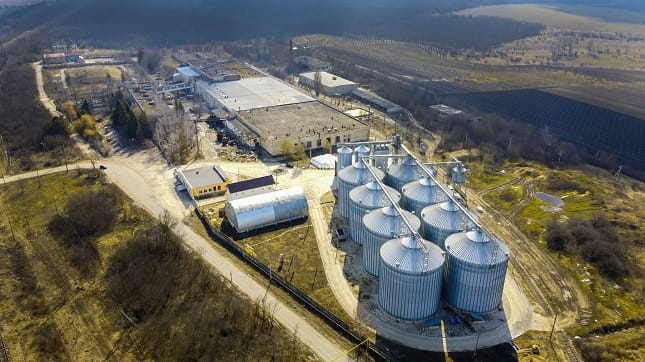
Oil storage tanks are often treated as “set-and-forget” assets—out of sight, out of mind, and only addressed when something goes wrong. However, this approach quietly erodes efficiency, increases risk, and exposes the organisation to financial and operational consequences (which can be avoided).
Scheduling a storage tank inspection (referred to as ตรวจถังน้ำมันโรงงาน in Thai) on a regular basis is not just a compliance exercise. If you manage it well, it becomes a useful tool for controlling costs, reducing risks and keeping your asset running for a long time.
Staying on top of your asset maintenance has real benefits.
1) Avoiding Costly Failures and Unnecessary Downtime
Most of the time, tank failures are caused by undetected corrosion or leaks. Sometimes, you can’t trust the warranty label too well.
When a storage tank stops working, you have to deal with:
- An emergency shutdown
- Delays in production
- Expensive clean-up
By having routine inspections, you can identify issues before they become huge. Early detection helps you to plan repairs proactively.
Planned maintenance is far less expensive and less disruptive than emergency response.
2) Ensuring Compliance
If an oil tank leak causes contamination or puts your employees’ safety at risk, it creates a domino effect of negative consequences. Aside from paying regulatory fines, your company might be ordered to stop operations or face lawsuits. Worse, your business reputation will take a big hit.
You can prevent things going south by conducting regular inspections and maintaining proper records. Not only does this demonstrate your commitment to due diligence and compliance, but it also shows you care about the environment and your employees.
4) Extending the Life of Your Assets
Oil storage tanks are a huge capital investment. They are not cheap, so it’s natural to want maximum return on investment.
Using condition-based inspection data, you can get repairs only when and where they are needed. It’s more cost-effective than relying on overly conservative replacement cycles.
As far as stakeholder confidence is concerned, your partners and investors will appreciate responsible asset management.
5) Reducing Product Loss and Waste
This is an obvious issue. Even a minor leak or evaporation loss can lead to gradual product loss. A small defect often goes unnoticed, but the losses can slowly add up over time. This is more problematic for a business that deals with large volumes of oil or fuel. One small leak could translate to millions in losses.
6) Improved Safety Culture
Safety risks are always tied to oil storage facilities. But there are ways by which you can lower exposure risks for employees. Regular inspections support a proactive safety culture by:
- Identifying unsafe conditions early
- Reducing cases where emergency response is needed
- Showing commitment to safe operations
A strong safety record not only makes employees feel safer at work, but it also positions your business for more favourable insurance terms.
Turning Inspections into a Strategic Advantage
The most effective organisations treat oil tank storage inspections as part of a broader asset integrity and operational excellence strategy—not a checkbox activity.
When inspections are aligned with business objectives, they support cost control, operational resilience and sustainable performance. To help you with oil storage tank maintenance, use a qualified inspector like NDT Thai.