





























If you walk through any industrial park or suburban commercial strip on a Sunday evening, you can immediately spot which business owners care about risk management and which ones are simply rolling the dice. It could be a broken latch on a warped wooden gate, inventory stacked behind rusted, or a sagging chain-link fence.
When business owners map out capital expenses, physical fencing rarely tops the priority list. Software subscriptions, marketing funnels, and interior fit-outs get the budget. However, neglecting the property boundary is a classic operational blind spot. A secure perimeter directly impacts balance sheets, liability exposure, and how lenders or tenants appraise commercial real estate.
The Hidden Drain of Property Vulnerabilities
Asset loss is rarely just about stolen tools. The ripple effects run deeper:
- Day-to-day operations: If vandals hit your service yard overnight, your crew will be dealing with police reports, cleaning up, and waiting around the next morning. That downtime kills income.
- Premises liability issues: If an unauthorized person wanders onto an open lot, trips over uneven asphalt, and calls an attorney, the building owner bears the burden of proof. Solid physical barriers remove that ambiguity instantly.
- Creeping insurance costs: Commercial underwriters look at basic physical safeguards during site evaluations. An unsecured yard with expensive fleet vehicles is a red flag that drives up annual premiums.
A visible, heavy-duty barrier stops most issues before they start. Opportunistic trespassers simply move down the street to an easier target.
The True Cost of Cheap Materials
The fastest way to waste money on facility maintenance is buying materials that require constant repainting, staining, or patching. Take traditional lumber as an example: it looks warm and rustic for about six months. Then direct sun, winter rains, or coastal air take over. Boards split, fasteners rust out, and posts rot near the ground line. Within three years, facility managers end up paying double the original installation price just to keep the perimeter from falling over.
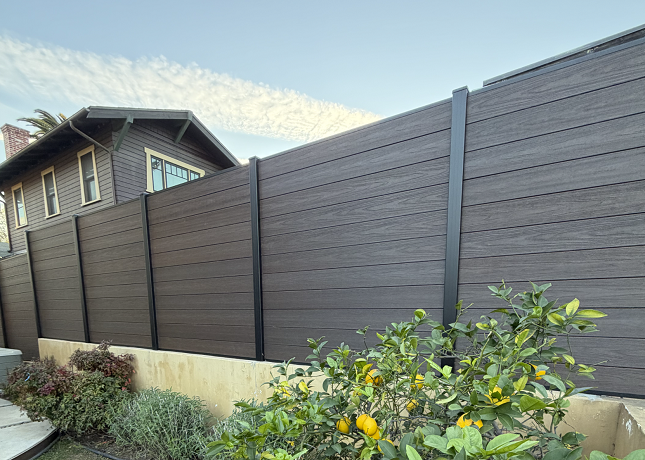
Commercial operators need low-maintenance structural solutions built for hard wear. Powder-coated aluminum, heavy-gauge commercial vinyl, and reinforced composite profiles handle weather cycles without constant attention.
Local climate dictates what works. A setup that survives upstate winter freeze cycles might fail quickly under intense southern heat or ocean salt spray. For commercial property owners managing multi-state assets or retrofitting facilities in major metro regions, collaborating with specialized regional teams (such as sourcing professional Fence Installation in California – HandyMaestro) ensures the layout complies with specific municipal codes, seismic considerations, and strict commercial setback requirements. Get the foundation and framing right the first time, and you eliminate weekend repair tickets for the next two decades.
Curb Appeal and Tenant Retention
If you lease out commercial units or operate a customer-facing shop, aesthetics convert directly into dollars. A clean architectural fence line paired with an automated cantilever gate projects operational stability. It tells prospective tenants and high-end clients that the building is managed professionally. Landlords with upgraded security barriers can easily justify premium per-square-foot lease rates compared to neighboring lots with outdated, weathered infrastructure.
Access control plays a massive role here, too. Modern automated entry systems (whether using RFID scanners, keypad pedestals, or mobile logging) give facility managers total clarity on who is coming and going. Lost physical keys, unauthorized night parking, or delivery trucks blocking main access points during peak hours will be things of the past.
3 Rules Before Signing a Commercial Contractor
Before handing over a deposit for exterior work, run through this quick operational checklist:
- Verify clearances and sightlines: Local zoning codes are notoriously strict about fence height near driveway exits. Blocking the street view for pulling out delivery trucks can lead to swift municipal fines.
- Check footing depth: The fence is only as reliable as the concrete holding the posts. In commercial zones with heavy vehicle traffic, shallow post holes will cause structural shifting within months.
- Plan for future logistics: If there is even a slight chance you might bring in larger box trucks or heavy machinery next year, install wide rolling gates now rather than tearing up panels later.
Practical Takeaway
Facility management is about eliminating preventable risks. Upgrading a commercial perimeter is not an exciting expense, but it is one of the few exterior investments that pays for itself through reduced maintenance, lower insurance claims, and sustained property value. Treat your boundary lines as an operational asset, not an afterthought.