























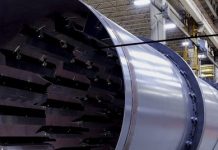

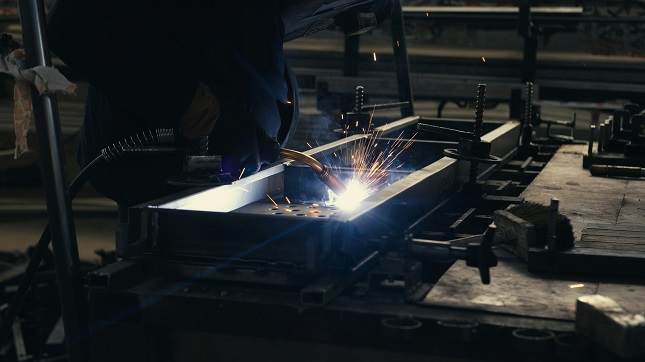
Precision machining and metal fabrication are at the heart of modern manufacturing. From producing complex aerospace components to building heavy-duty equipment for mining and industrial facilities, these services ensure every part meets strict quality, durability, and performance standards. Companies like CT Products have built a strong reputation as trusted providers of Machine and Fabrication Shop Services, delivering high-quality precision parts and components with advanced machining equipment and fabrication techniques. Their expertise supports industries including industrial manufacturing, mining, steel production, warehousing and conveyor systems, oil and energy, heavy equipment, and aerospace-related applications by providing reliable, accurate, and long-lasting solutions.
The Importance of Precision Machining
Precision machining is the process of removing material from raw stock to create components with exact dimensions and tight tolerances. Using CNC milling, CNC turning, drilling, and other advanced manufacturing methods, machine shops can produce parts that fit perfectly and perform consistently in demanding environments.
Accuracy is essential because even the smallest dimensional error can affect the performance of an entire system. Industries that rely on complex machinery require components manufactured to exact specifications to minimize downtime and maximize productivity.
What Metal Fabrication Includes
Metal fabrication transforms raw metal into finished products through processes such as:
- Laser cutting
- Welding
- Metal forming
- Bending
- Assembly
- Custom fabrication
Modern fabrication facilities combine skilled craftsmanship with automated equipment to create durable structures and custom components for a wide range of industrial applications.
Advanced Equipment Improves Quality
Today’s machine shops invest heavily in advanced manufacturing technology. Computer-controlled machinery offers exceptional precision while improving production efficiency and consistency.
Some of the most valuable technologies include:
- CNC machining centers
- High-precision lathes
- Laser cutting systems
- Robotic welding equipment
- Coordinate Measuring Machines (CMM)
- CAD/CAM software
These technologies reduce production errors, shorten lead times, and ensure every finished component meets customer specifications.
Industries That Depend on Precision Components
Many industries require custom-machined and fabricated parts because standard off-the-shelf components cannot always meet specialized operational requirements.
Industrial Manufacturing
Manufacturing facilities depend on precision-machined components for production equipment, automation systems, tooling, and replacement parts. Reliable components reduce maintenance costs and improve operational efficiency.
Mining Operations
Mining equipment operates in extremely harsh conditions. Wear-resistant fabricated components and precision-machined replacement parts help extend equipment life while minimizing unexpected failures.
Steel Production
Steel mills require heavy-duty components capable of handling high temperatures, continuous operation, and significant mechanical stress. Precision manufacturing ensures dependable performance under these demanding conditions.
Warehousing and Conveyor Systems
Modern warehouses rely on conveyor systems that require durable rollers, shafts, brackets, housings, and custom assemblies. High-quality fabricated components help maintain smooth material handling operations.
Oil and Energy
Energy production equipment demands precision parts that can withstand pressure, corrosion, and continuous use. Accurate machining contributes to safer operations and longer equipment service life.
Heavy Equipment
Construction and industrial machinery use large precision components designed to handle substantial loads and constant vibration. Quality machining helps improve equipment reliability while reducing maintenance expenses.
Aerospace Applications
Aerospace manufacturing requires some of the tightest tolerances in the industry. Precision machining produces lightweight yet strong components that meet strict safety and performance standards.
Why Quality Control Matters
Precision manufacturing is about more than producing accurate dimensions. Every component should undergo thorough inspection throughout production.
Quality control typically includes:
- Dimensional verification
- Material inspection
- Surface finish evaluation
- Tolerance measurement
- Final product testing
These processes help ensure customers receive components that perform exactly as intended.
Custom Manufacturing Solutions
Every project presents unique engineering challenges. Custom machining and fabrication allow manufacturers to produce components tailored to specific applications instead of modifying standard parts.
Custom manufacturing provides advantages such as:
- Improved equipment performance
- Better product compatibility
- Faster installation
- Increased durability
- Lower long-term maintenance costs
Whether producing a single prototype or large production runs, experienced machine shops can adapt their manufacturing processes to meet customer requirements.
Choosing the Right Machine Shop
Selecting the right machining and fabrication partner is critical for maintaining product quality and project timelines. Businesses should evaluate factors such as manufacturing capabilities, equipment, technical expertise, quality assurance processes, and experience serving their industry.
A trusted machine shop combines skilled professionals with modern technology to consistently deliver precision components that meet demanding specifications.
Final Thoughts
Precision machining and metal fabrication remain essential for industries that rely on dependable, high-performance components. As manufacturing technology continues to advance, businesses benefit from improved accuracy, faster production, and greater consistency.
Working with an experienced provider such as CT Products gives companies access to advanced machining capabilities, skilled fabrication expertise, and dependable manufacturing solutions. By producing precision parts built to exact specifications, trusted machine shops help businesses improve equipment reliability, reduce downtime, and support long-term operational success.